
Grocery
Frozen Mixed Vegetables
What it is
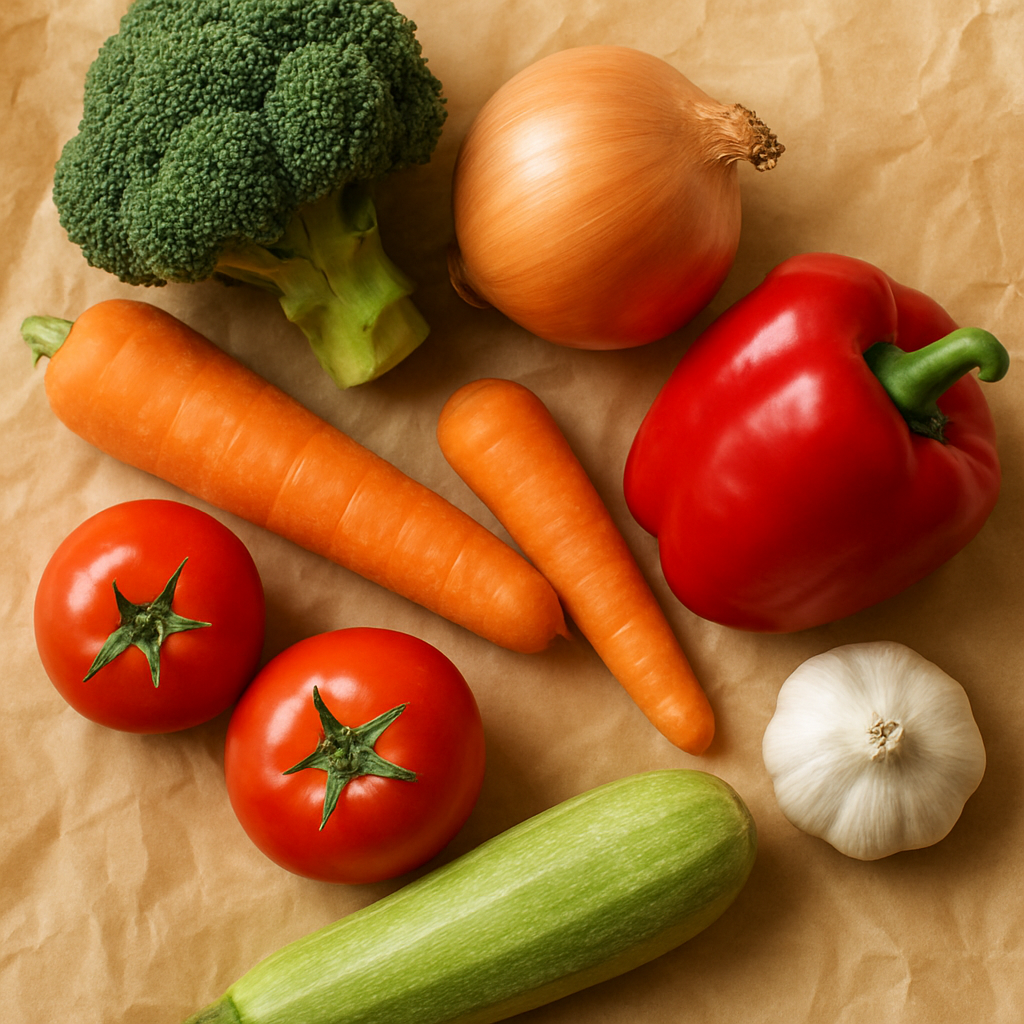
This is a selection of garden vegetables that have been frozen shortly after harvesting. The freezing process helps to preserve the natural flavors and textures of the vegetables. It typically includes a variety of common vegetables, offering a convenient way to add a mix of colors and tastes to meals. The vegetables are usually cut into uniform pieces for even cooking.
How people cook with it
Frozen mixed vegetables are a versatile pantry staple. They can be used in a wide range of dishes, from simple side dishes to more complex main courses.
- As a quick side dish
- In casseroles and bakes
- Added to soups and stews
- Mixed into pasta and rice dishes
To prepare, you can typically cook these vegetables directly from their frozen state. Boiling, steaming, or sautéing are common methods. For boiling, add the frozen vegetables to a pot of boiling water and cook until tender-crisp. Steaming involves placing them in a steamer basket over boiling water. Sautéing requires heating a little oil or butter in a pan and cooking the vegetables until heated through and slightly tender. They can also be added directly to simmering dishes like soups or stews to cook as the liquid heats.
How it differs from similar foods
Compared to fresh vegetables, frozen mixed vegetables offer convenience and a longer shelf life. They are pre-cut and washed, saving preparation time. While fresh vegetables can sometimes be more vibrant in color and texture, frozen vegetables retain many of their nutrients and are available year-round, regardless of seasonality.
Who it is for
Home cooks and busy individuals who want to easily incorporate vegetables into their meals.
How to keep the rest
After opening, store any remaining frozen vegetables in their original packaging or an airtight container in the freezer. Ensure the container is well-sealed to prevent freezer burn. This will help maintain their quality and prevent them from absorbing odors from other foods in the freezer.