
Grocery
Plain Yogurt
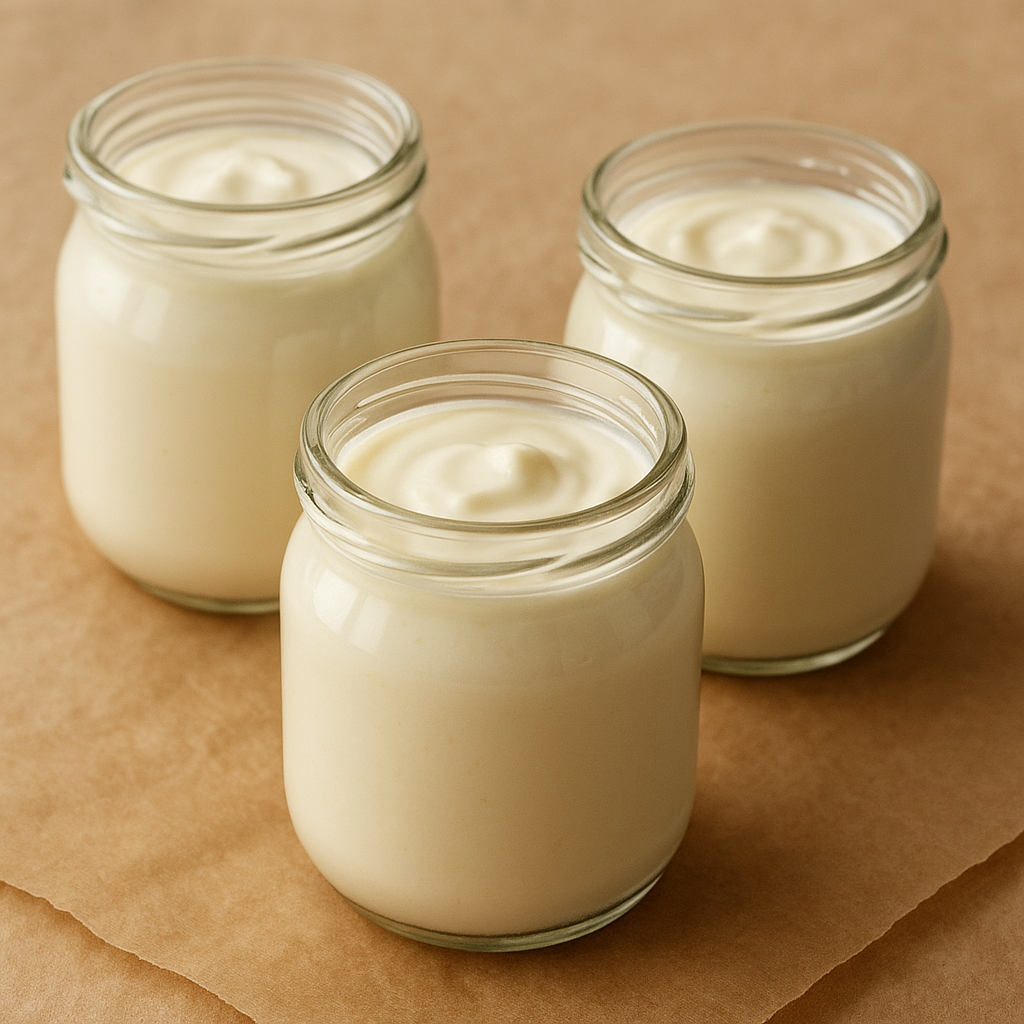
What it is
This is a cultured dairy product made by fermenting milk. The fermentation process involves specific bacteria that convert lactose, the sugar in milk, into lactic acid. This lactic acid gives yogurt its characteristic tangy flavor and thick texture. It is a versatile ingredient that can be enjoyed on its own or used in a wide range of culinary applications. The plain variety offers a neutral base for both sweet and savory dishes.
How people cook with it
Plain yogurt is a staple in many kitchens, valued for its creamy texture and mild tang. It serves as a base for countless recipes.
- Smoothie base
- Sauce thickener
- Marinade component
- Breakfast topping
Plain yogurt can be stirred into smoothies for added creaminess and a slight tang. It works well as a base for dips and salad dressings, where its acidity can balance rich flavors. In cooking, it can be used to tenderize meats in marinades or to add moisture and richness to baked goods. It can also be a cooling element in spicy dishes. Its mild flavor allows it to blend seamlessly into various preparations without overpowering other ingredients.
How it differs from similar foods
Unlike flavored yogurts, plain yogurt contains no added sugars or artificial flavorings. This makes it a more adaptable ingredient for cooking and baking. Its texture can vary from very thick and Greek-style to thinner, depending on the milk used and the straining process.
Who it is for
Home cooks and bakers often choose plain yogurt for its versatility and neutral flavor profile.
How to keep the rest
To maintain freshness, keep any remaining yogurt refrigerated in its original container or an airtight one. Ensure the lid is sealed tightly to prevent it from absorbing odors from other foods in the refrigerator. Proper storage helps preserve its texture and taste for future use.