
Grocery
Plain Yogurt
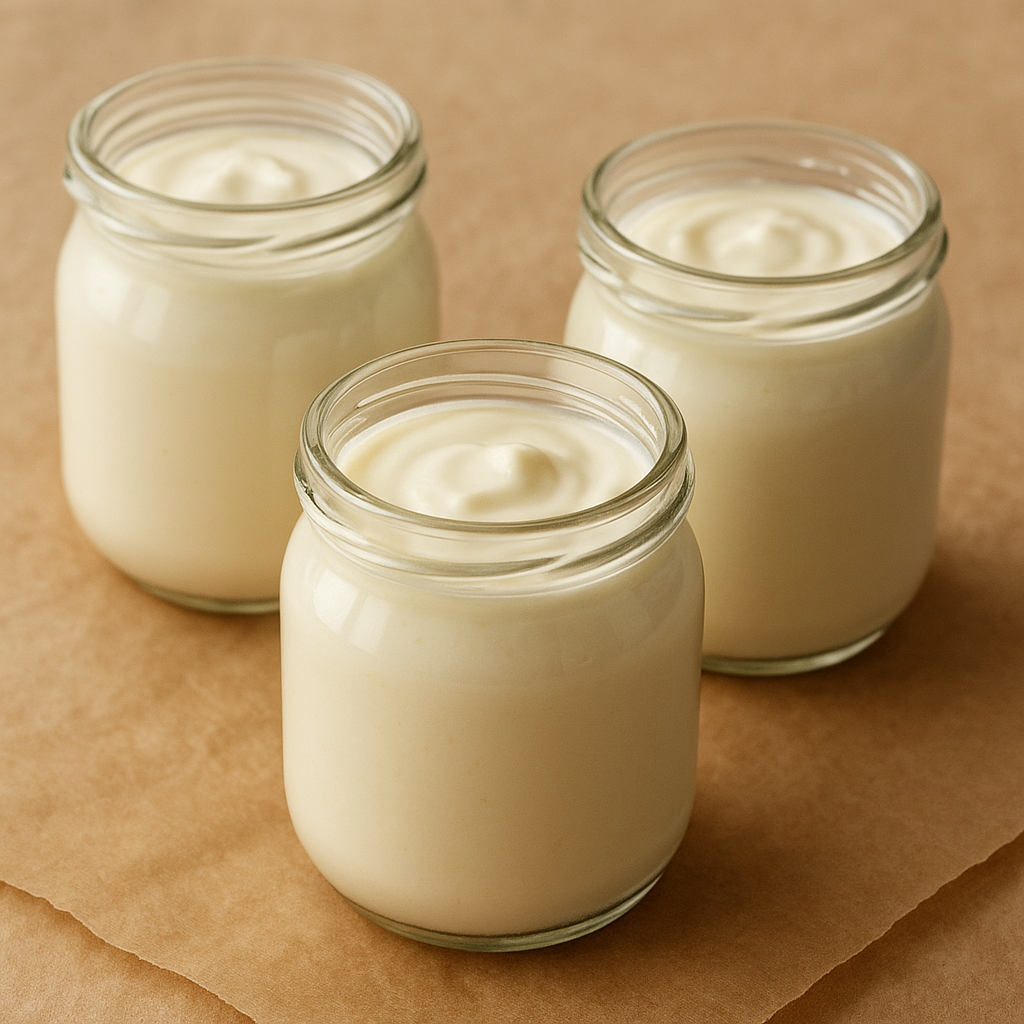
What it is
This is a cultured dairy product made by fermenting milk. The fermentation process involves specific bacteria that convert lactose, the sugar in milk, into lactic acid. This lactic acid gives yogurt its characteristic tangy flavor and thick texture. It is a versatile ingredient that can be enjoyed on its own or used in a wide variety of culinary applications. Its smooth consistency makes it a popular choice for both sweet and savory dishes.
How people cook with it
People often use this yogurt as a base for dips, sauces, or as a creamy addition to baked goods. It can also be a refreshing standalone snack.
- Breakfast bowls
- Smoothie ingredient
- Marinades
- Dessert topping
You can stir it into your morning oatmeal or granola for added creaminess and a touch of tang. It works wonderfully as a base for homemade salad dressings, blending well with herbs and spices. For baking, it can replace sour cream or buttermilk in many recipes, contributing moisture and tenderness. It also serves as a cooling counterpoint to spicy dishes, offering a gentle contrast in flavor and temperature. Its mild taste makes it adaptable to many flavor profiles.
How it differs from similar foods
Compared to flavored yogurts, this plain version offers a neutral base, allowing you to control the sweetness and flavor profile of your dishes. Its texture is typically thicker than some other cultured dairy products, making it ideal for applications where a substantial consistency is desired.
Who it is for
Home cooks and professional chefs alike appreciate its adaptability in the kitchen.
How to keep the rest
To keep the remaining yogurt fresh, ensure it is tightly sealed and refrigerated. Avoid leaving it at room temperature for extended periods. Proper storage helps maintain its texture and prevents spoilage, ensuring it is ready for your next culinary creation.