
Grocery
Plain Yogurt
What it is
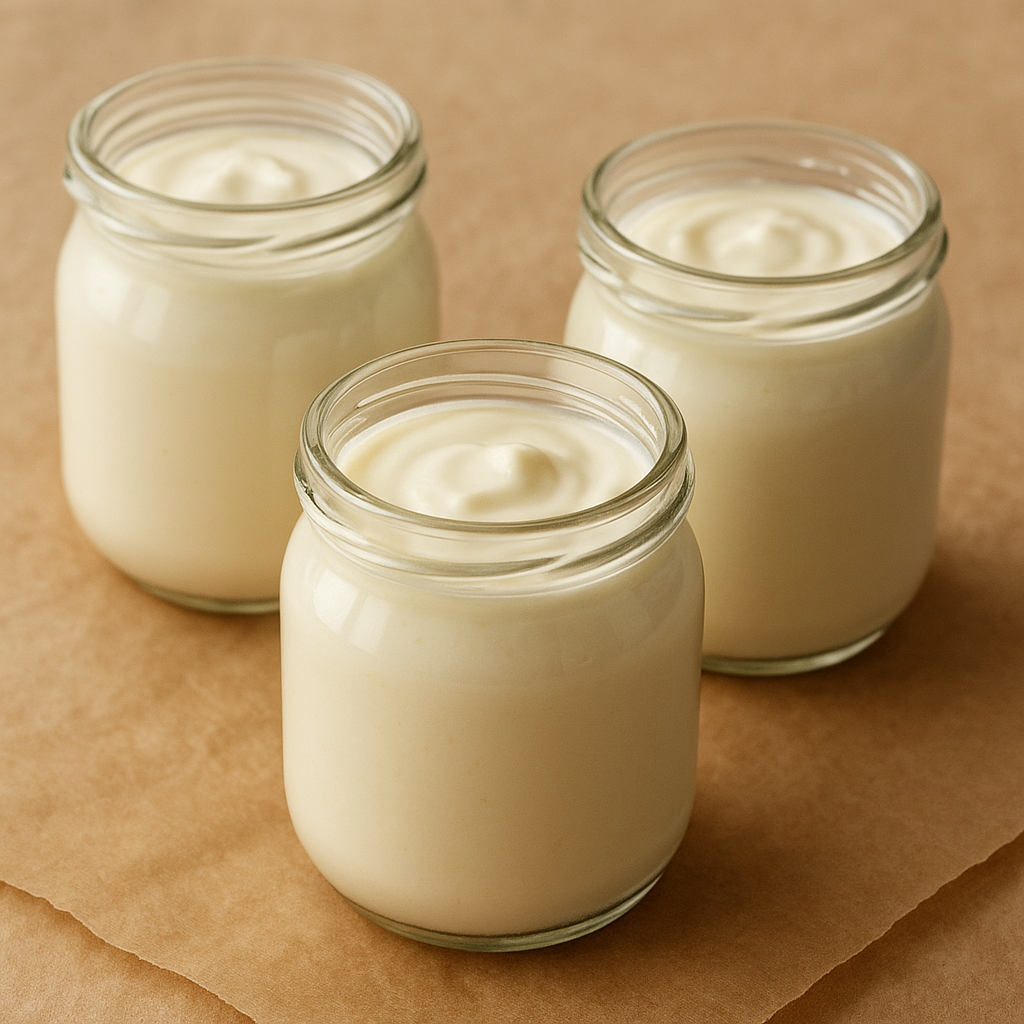
This is a cultured dairy product made by fermenting milk. The fermentation process produces lactic acid, which gives yogurt its characteristic tangy flavor and thick texture. It is a versatile ingredient that can be enjoyed on its own or used in a wide variety of culinary applications. The plain variety contains no added sugars or flavorings, allowing its natural taste to shine through.
How people cook with it
Yogurt is a staple in many kitchens, valued for its creamy consistency and mild tang. It can be used in both sweet and savory dishes.
- As a breakfast base
- In smoothies
- As a sour cream substitute
- In marinades
Plain yogurt is excellent as a base for breakfast bowls, topped with granola and fruit. It blends smoothly into smoothies, adding creaminess and a subtle tang. For savory dishes, it can replace sour cream in dips, sauces, and as a topping for chili or baked potatoes. Its acidity makes it a great tenderizer for meats when used in marinades, helping to break down proteins for a more succulent result. It can also be incorporated into baked goods for moisture and a slight lift.
How it differs from similar foods
Unlike flavored yogurts, plain yogurt offers a neutral canvas for culinary creativity. Its tang is more pronounced than that of sour cream, providing a different kind of acidity that can cut through richness. It is typically thinner than Greek yogurt, making it easier to pour and mix into batters or dressings.
Who it is for
Home cooks and professional chefs alike utilize plain yogurt for its adaptability.
How to keep the rest
To maintain freshness, keep the remaining yogurt refrigerated in its original container. Ensure the lid is tightly sealed to prevent air exposure, which can affect texture and taste. It is best consumed within the recommended timeframe after opening for optimal quality.