
Grocery
Active Dry Yeast for Baking
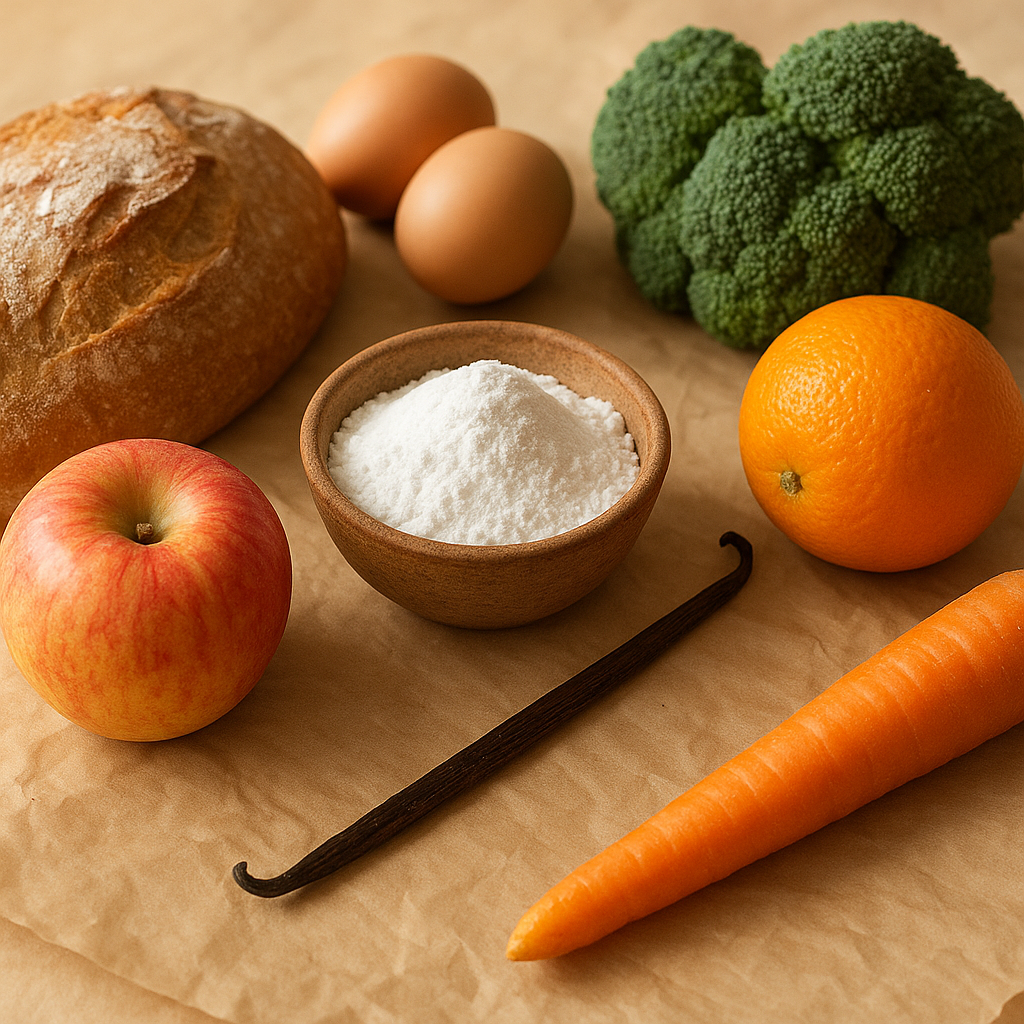
What it is
This is a dried, granular form of yeast, a single-celled microorganism essential for leavening dough. When activated with warm liquid, it consumes sugars and produces carbon dioxide gas. It is a fundamental ingredient in many baked goods, contributing to both texture and flavor development.
How people cook with it
Yeast is a key ingredient for making bread and other baked goods rise. It works by fermenting sugars in the dough.
- Bread making
- Pizza dough
- Cinnamon rolls
- Doughnuts
To use active dry yeast, it first needs to be 'proofed' or activated. This involves dissolving the granules in a small amount of warm liquid, typically water or milk, with a pinch of sugar. The liquid should be lukewarm, around 105-115°F (40-46°C). Let it sit for about 5-10 minutes until it becomes foamy. This indicates the yeast is alive and active. Once foamy, it can be added to your other dough ingredients and mixed as directed in your recipe. Ensure the liquid is not too hot, as this can kill the yeast.
How it differs from similar foods
Active dry yeast is different from instant yeast because it requires a separate activation step before mixing into dough. Instant yeast can often be mixed directly with dry ingredients, as its granules are smaller and more porous, allowing for quicker activation. This difference in granule size and processing affects how quickly and reliably each type leavens dough.
Who it is for
Bakers who enjoy making homemade bread and pastries will find this yeast indispensable.
How to keep the rest
Once opened, store the remaining yeast in an airtight container in a cool, dry place, such as a pantry. For longer storage, it can be kept in the refrigerator or even the freezer to maintain its potency. Always check the expiration date before use to ensure it is still active.