
Hannaford
Active Dry Yeast for Baking
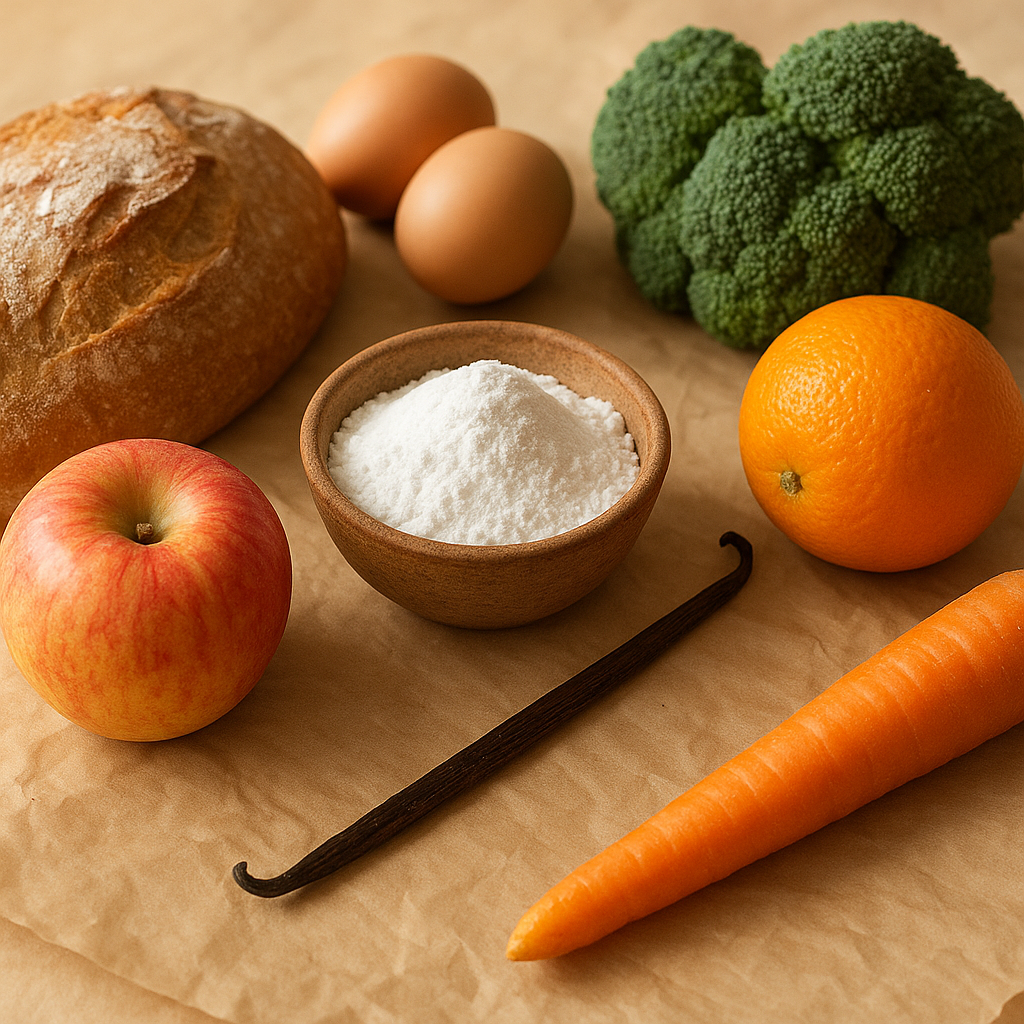
What it is
This is a granular leavening agent used in baking. It is a living organism that consumes sugars and produces carbon dioxide gas. This gas is what causes doughs to rise, creating a light and airy texture in baked goods. It is typically sold in small packets or jars. This specific type is active dry yeast, meaning the yeast cells are dormant and need to be awakened before use.
How people cook with it
Active dry yeast is a staple ingredient for anyone who enjoys baking bread, rolls, or other yeasted doughs. It is essential for achieving the characteristic rise and flavor in many traditional baked items.
- Leavening bread dough
- Making pizza crust
- Baking cinnamon rolls
- Creating savory pastries
To use active dry yeast, it must first be 'proofed' or awakened. This involves dissolving the yeast in warm liquid, typically water or milk, which should be between 105-115°F (40-46°C). A small amount of sugar can be added to feed the yeast. Let it sit for about 5-10 minutes until it becomes foamy and bubbly, indicating it is active. Once proofed, it can be added to your other baking ingredients according to your recipe's instructions. Ensure the liquid is not too hot, as this can kill the yeast.
How it differs from similar foods
Active dry yeast differs from instant yeast in its form and how it is activated. Active dry yeast granules are larger and require proofing in liquid before mixing with dry ingredients. Instant yeast granules are smaller and can often be mixed directly with dry ingredients, as they activate more readily.
Who it is for
Home bakers and professional bakers alike rely on active dry yeast for its reliable leavening power.
How to keep the rest
To maintain its activity, store the yeast in a cool, dry place. Once opened, it is best to refrigerate the remaining yeast to prolong its shelf life and ensure it remains potent for future baking projects. Always check the expiration date before use.