
Grocery
Sweet Potatoes
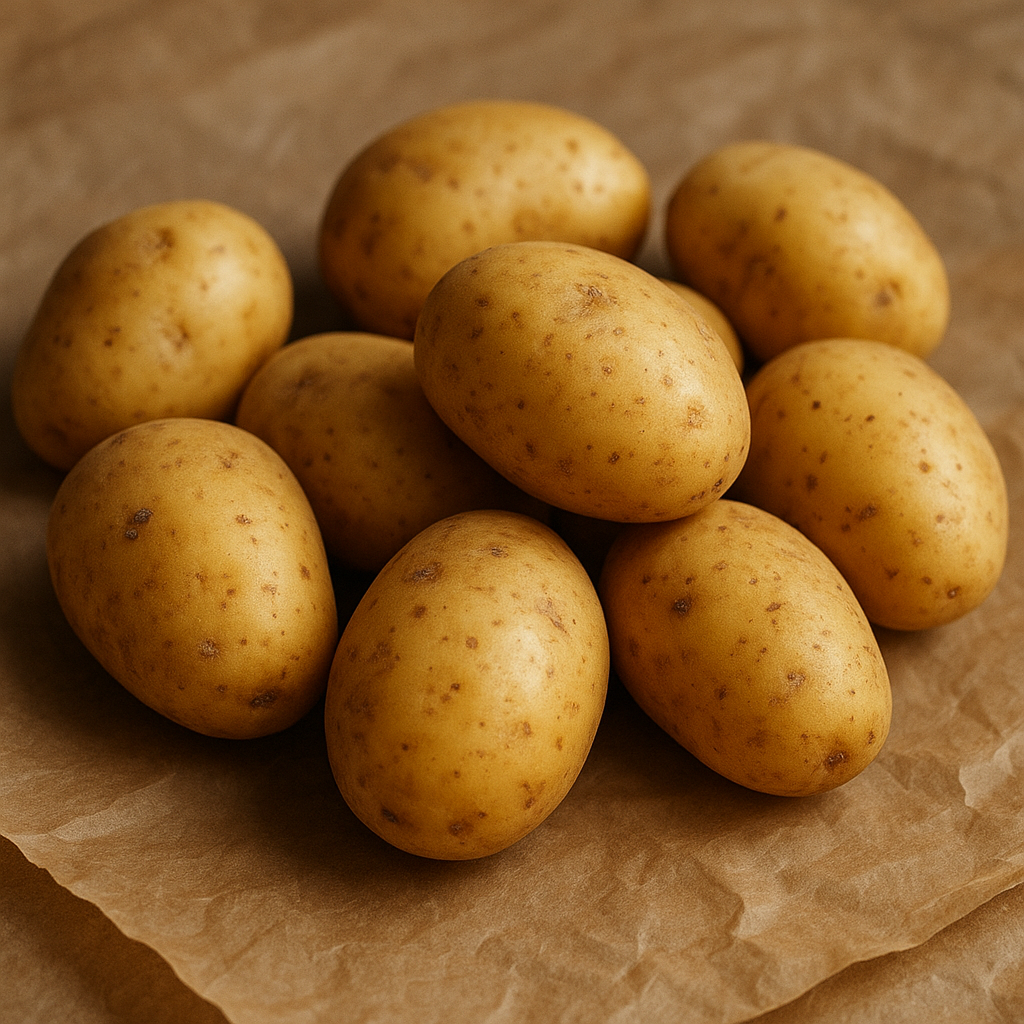
What it is
These are starchy root vegetables with a sweet flavor and a vibrant orange flesh. They are a versatile ingredient, often used in both sweet and savory dishes. Their texture can range from firm to soft depending on the variety and how they are prepared. They are a good source of carbohydrates and have a naturally sweet taste that makes them appealing to many palates.
How people cook with it
Sweet potatoes are a staple in many cuisines around the world. They can be roasted, mashed, baked, or even fried.
- Roasted cubes
- Mashed side dish
- Baked whole
- Added to stews
To prepare sweet potatoes, start by washing them thoroughly to remove any dirt. You can peel them if you prefer, though the skin is edible and adds nutrients. For roasting, cut them into uniform pieces, toss with a little oil, and bake until tender. When baking whole, pierce the skin a few times with a fork and bake until soft. For mashing, boil or steam them until very tender, then mash with a fork or potato masher, adding butter or other seasonings as desired.
How it differs from similar foods
Unlike regular potatoes, sweet potatoes have a distinct sweetness and a softer, often creamier texture when cooked. Their flesh color can vary from pale yellow to deep orange, which also influences their flavor profile and cooking characteristics.
Who it is for
Home cooks looking for a naturally sweet and satisfying vegetable will find them useful.
How to keep the rest
Store uncooked sweet potatoes in a cool, dark, and dry place, such as a pantry. Avoid refrigerating them, as this can affect their texture and flavor. They should not be stored in plastic bags, as this can trap moisture and lead to spoilage.