
Grocery
Sweet Potatoes
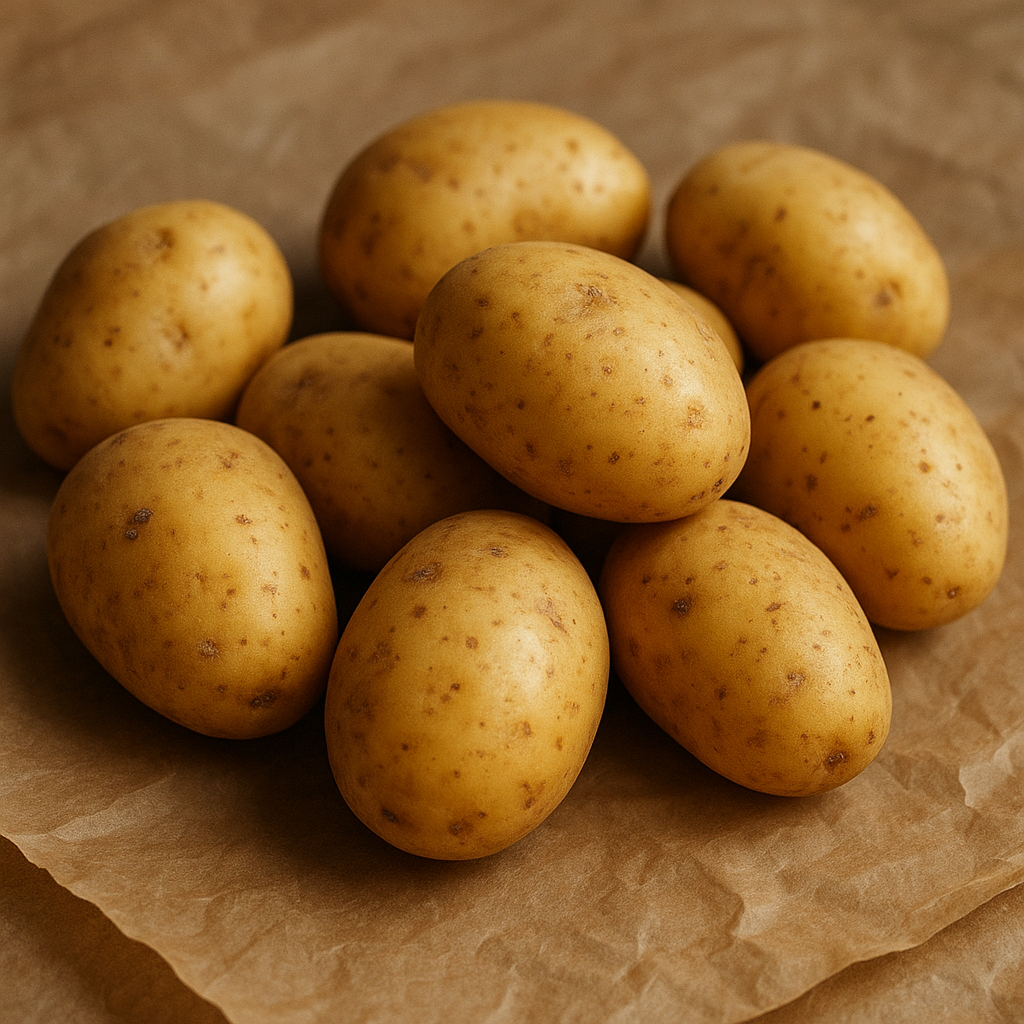
What it is
These are starchy, sweet-tasting tubers that grow underground. They have a rough, brown skin and a vibrant orange flesh. Their natural sweetness makes them a versatile ingredient in both sweet and savory dishes. They are a good source of carbohydrates and provide a satisfying texture when cooked.
How people cook with it
Sweet potatoes are a staple in many cuisines worldwide. They can be prepared in numerous ways, from simple roasting to more elaborate preparations.
- Roasted as a side dish
- Mashed for a sweet topping
- Added to stews and curries
- Baked into pies and desserts
To prepare sweet potatoes, begin by washing them thoroughly to remove any dirt. You can peel them if desired, though the skin is edible and adds nutrients. For roasting, cut them into cubes or wedges, toss with a little oil and seasonings, and bake until tender and slightly caramelized. They can also be boiled and mashed, or added whole to slow-cooked dishes. Their natural moisture helps them soften beautifully when cooked.
How it differs from similar foods
Compared to regular potatoes, sweet potatoes have a distinctly sweeter flavor and a softer, creamier texture when cooked. Their vibrant orange color is due to beta-carotene, which is not found in white potatoes. This sweetness makes them suitable for desserts in a way that regular potatoes are not.
Who it is for
Home cooks looking for a flavorful and versatile root vegetable will enjoy using sweet potatoes.
How to keep the rest
Store uncooked sweet potatoes in a cool, dark, and well-ventilated place. Avoid refrigerating them, as this can affect their texture and flavor. They should be kept away from direct sunlight. Properly stored, they can last for several weeks.