
Grocery
Whole Wheat Flour
What it is
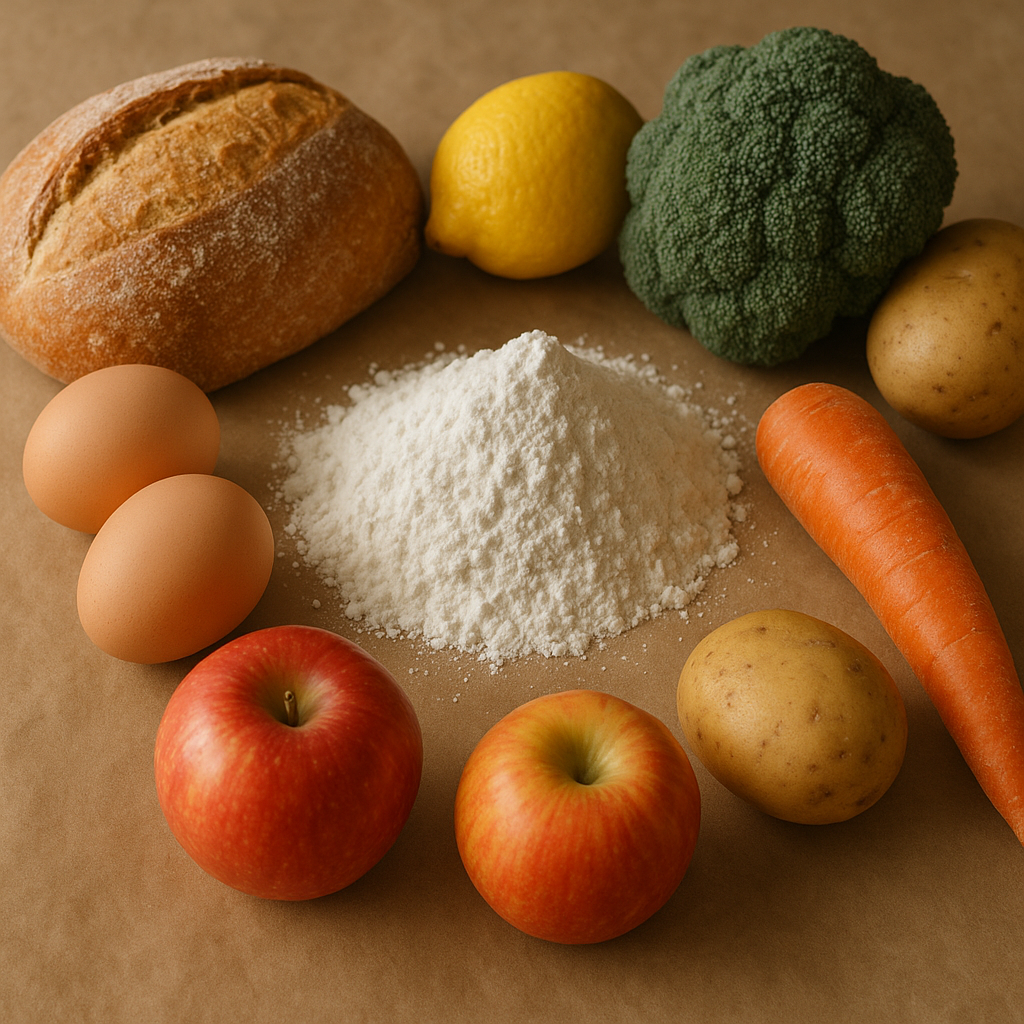
Whole wheat flour is made by grinding the entire wheat kernel, including the bran, germ, and endosperm. This results in a flour that is denser and has a nuttier flavor compared to refined white flour. It retains more of the natural components of the wheat berry, contributing to its distinct characteristics and texture in baked goods. The presence of the bran and germ adds a slightly coarser feel.
How people cook with it
This flour is a versatile ingredient for home bakers looking to add whole grain goodness to their creations. It can be used in a variety of recipes, from breads to muffins.
- Baking breads
- Making muffins
- Creating pancakes
- Adding to cookies
When substituting whole wheat flour for all-purpose flour, it's often recommended to use a combination of both for best results, especially in delicate baked goods. Whole wheat flour absorbs more liquid, so you may need to slightly increase the moisture content of your recipe. It can be used on its own for heartier breads and rustic baked items. Experimentation is key to finding the perfect balance.
How it differs from similar foods
Unlike refined white flour, which has had the bran and germ removed, whole wheat flour contains all parts of the wheat kernel.
Who it is for
Home bakers and cooks who prefer whole grain ingredients will find this flour a staple in their pantry.
How to keep the rest
To maintain freshness, store whole wheat flour in an airtight container in a cool, dry place. Because it contains natural oils from the germ, it can go rancid more quickly than white flour. Refrigeration or freezing can extend its shelf life significantly, especially if you don't use it frequently.