
Grocery
Wild Sockeye Salmon Fillets
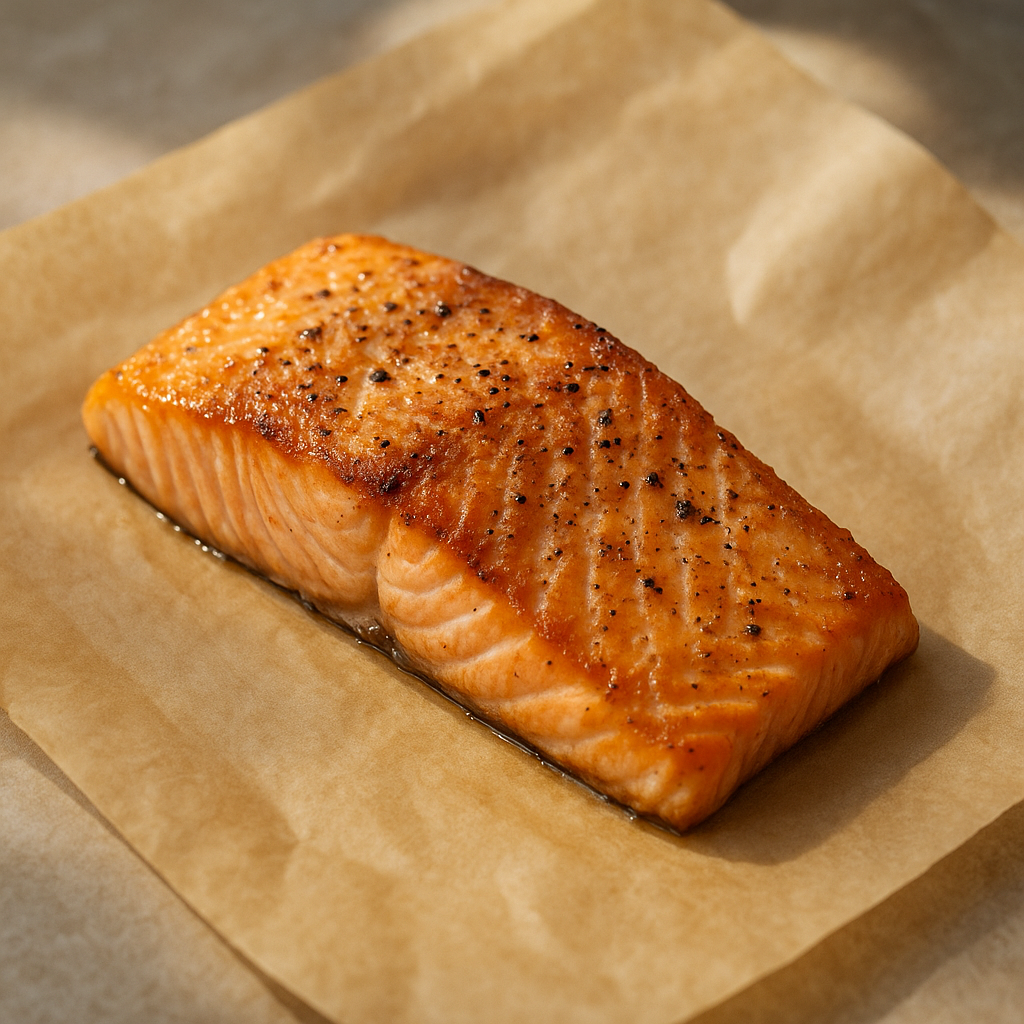
What it is
These are pre-portioned fillets of wild-caught sockeye salmon. Sockeye salmon is known for its vibrant red-orange flesh and rich, distinct flavor. The fillets are typically skin-on, which can help them retain moisture and add a pleasant crispness when cooked. They are a good source of omega-3 fatty acids. This type of salmon is often considered a premium choice due to its flavor and texture.
How people cook with it
Salmon fillets are versatile and can be prepared using many different cooking methods.
- Pan-seared for a crispy skin
- Baked with herbs and lemon
- Grilled for a smoky flavor
- Poached gently in broth
To cook, you can start by patting the fillets dry with paper towels. Season generously with salt and pepper. For pan-searing, heat a little oil in a skillet over medium-high heat and cook skin-side down first until the skin is crisp. Flip and cook briefly on the other side. Baking involves placing the fillets on a baking sheet, perhaps with some vegetables, and cooking in a preheated oven until opaque and flaky. Grilling requires a moderately hot grill, and poaching involves simmering the fish in liquid.
How it differs from similar foods
Wild sockeye salmon has a firmer texture and a more intense, slightly gamey flavor compared to farmed salmon. Its deep red color is also a distinguishing characteristic. The fat content is generally lower than some other salmon varieties, contributing to its leaner profile.
Who it is for
Home cooks looking for a flavorful and high-quality fish option will appreciate these fillets.
How to keep the rest
Keep any unused fillets refrigerated in their original packaging or tightly wrapped in plastic wrap. For longer storage, they can be frozen. Ensure they are well-sealed to prevent freezer burn. Thaw frozen salmon in the refrigerator before cooking.