
Grocery
Frozen Wild Caught Sockeye Salmon Fillets
What it is
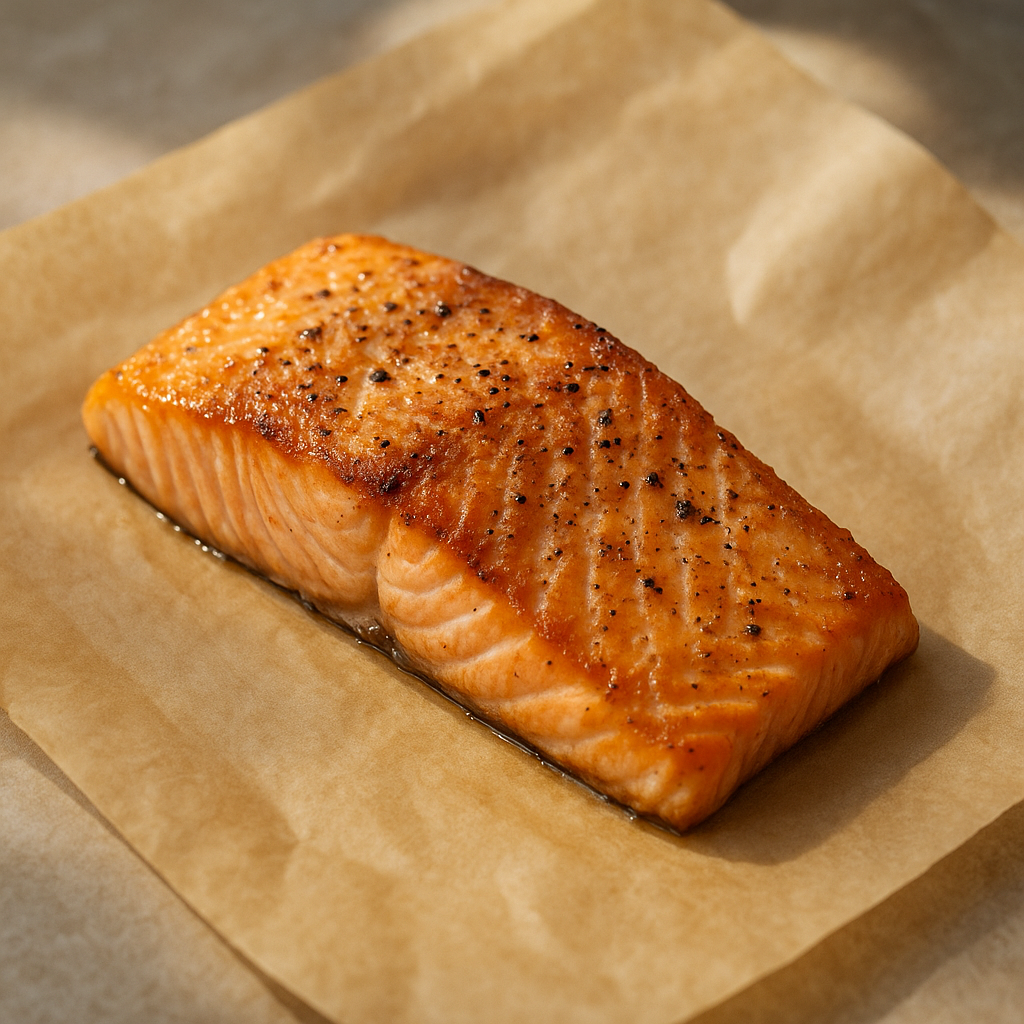
These are individually frozen fillets of sockeye salmon, a type of Pacific salmon known for its vibrant red flesh and rich flavor. The fish is wild-caught, meaning it has lived and fed in its natural ocean environment. Freezing helps preserve the freshness and quality of the salmon until you are ready to cook it. Each fillet is typically skin-on, which can help keep the fish moist during cooking and adds a pleasant texture when crisped.
How people cook with it
They are convenient for weeknight meals when fresh fish might not be readily available.
- Pan-seared for a crispy skin
- Baked with herbs and lemon
- Grilled for smoky flavor
- Poached gently in broth
To prepare, thaw the sockeye salmon fillets completely in the refrigerator. For best results, pat the fillets dry with paper towels before cooking. This helps achieve a better sear and crispier skin. You can then cook them using various methods. Pan-searing in a hot skillet with a little oil is popular for achieving a golden-brown crust. Baking in the oven, often with seasonings, is another straightforward approach. Grilling offers a smoky dimension, while poaching provides a delicate texture.
How it differs from similar foods
Sockeye salmon is distinct from other salmon varieties due to its deep red color and firm texture, which holds up well to cooking. Its flavor is generally more intense and less oily than farmed salmon, offering a more pronounced taste of the sea.
Who it is for
Home cooks looking for a flavorful and convenient source of high-quality fish for their meals.
How to keep the rest
Keep any remaining thawed salmon fillets refrigerated and use them within one to two days. If the fillets are still frozen, store them in the freezer at 0°F (-18°C) or below. Ensure the packaging is sealed to prevent freezer burn.