
Grocery
Wild Atlantic Haddock Fillets
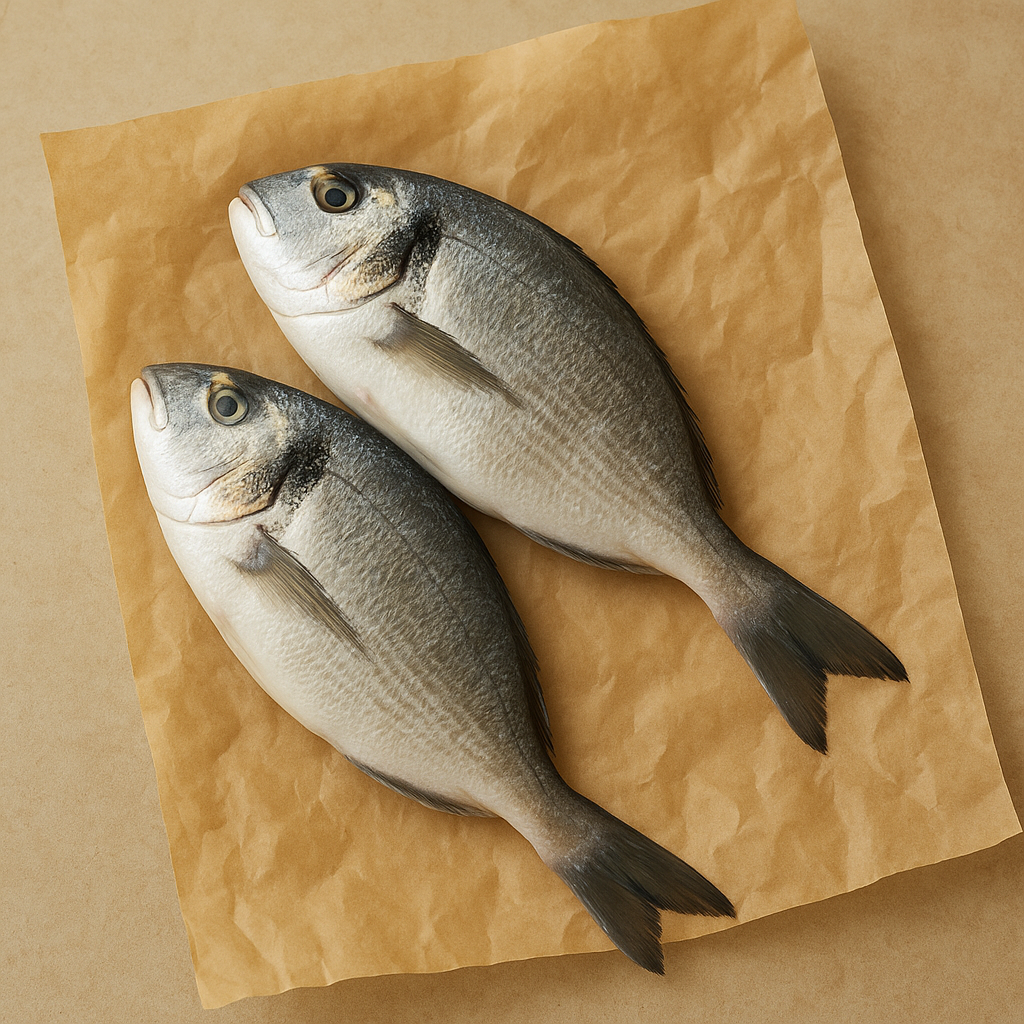
What it is
These are pre-portioned fillets of haddock, a white fish known for its mild flavor and flaky texture. They are typically sourced from the cold waters of the Atlantic Ocean. The fillets are usually skinless and boneless, making them convenient for quick meal preparation. Haddock is a popular choice for its versatility in the kitchen and its delicate taste that pairs well with many different seasonings and cooking methods.
How people cook with it
Haddock fillets are a staple in many home kitchens, offering a healthy and delicious option for weeknight dinners or special occasions.
- Pan-seared for a crispy crust
- Baked with lemon and herbs
- Fried for classic fish and chips
- Added to stews and chowders
To prepare haddock fillets, you can start by patting them dry with paper towels. This helps achieve a better sear or crispier coating. For pan-searing, heat some oil or butter in a skillet over medium-high heat and cook the fillets for a few minutes per side until opaque and flaky. Baking is another simple method; place the fillets on a baking sheet, season as desired, and bake in a preheated oven until cooked through. They can also be coated in batter and fried for a traditional fish and chips experience.
How it differs from similar foods
Compared to cod, haddock has a slightly finer flake and a milder, sweeter taste. Its texture is often described as more delicate. Haddock tends to hold its shape well when cooked, making it suitable for dishes where the fish needs to remain intact.
Who it is for
Home cooks looking for a mild, flaky white fish that is easy to prepare.
How to keep the rest
Keep any unused haddock fillets refrigerated in their original packaging or tightly wrapped in plastic wrap. They are best cooked within one to two days of purchase. For longer storage, the fillets can be frozen, ensuring they are well-sealed to prevent freezer burn.