
Grocery
Whole Wheat Flour
What it is
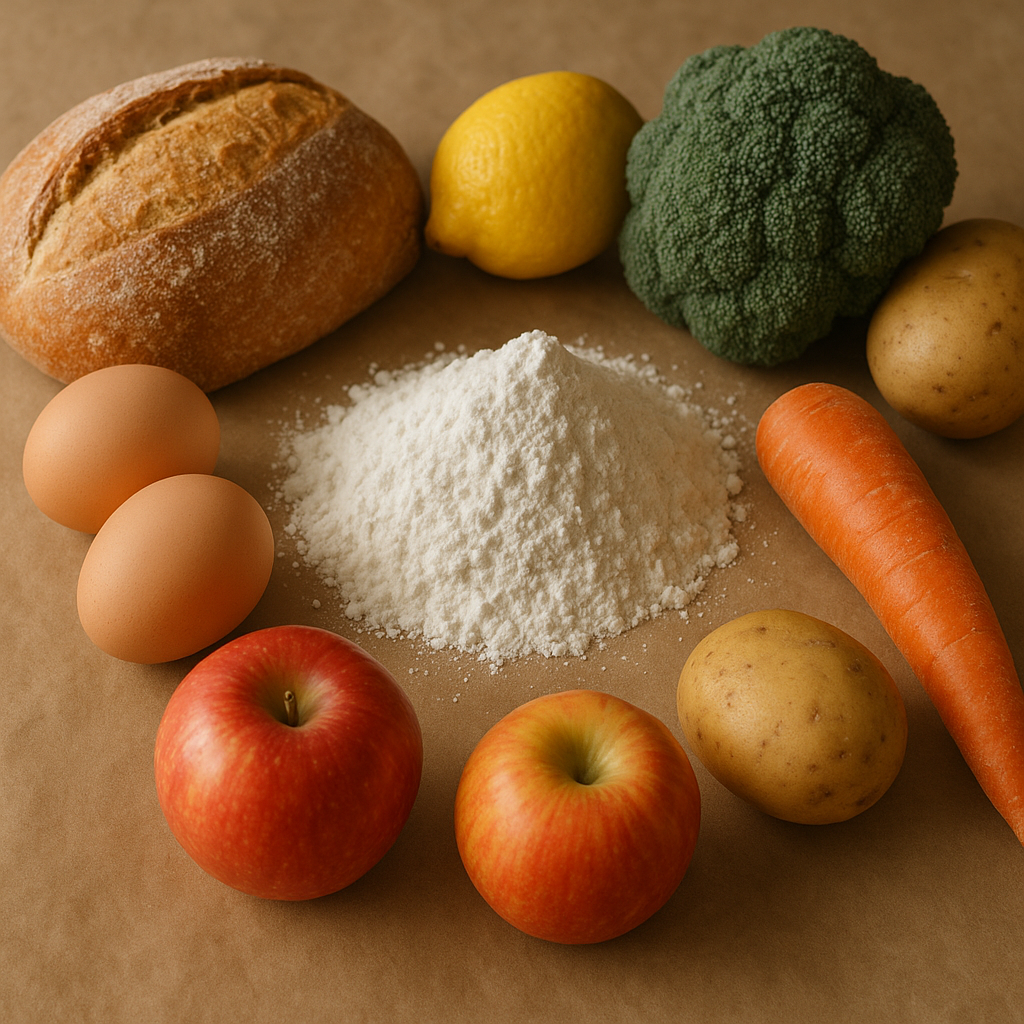
This is flour made from the entire wheat kernel, including the bran, germ, and endosperm. It has a heartier texture and a nuttier flavor compared to refined white flour. The presence of the whole grain means it retains more of the natural components of the wheat berry. This makes it a popular choice for those seeking a more rustic and wholesome baking ingredient.
How people cook with it
Whole wheat flour is a versatile ingredient used in a wide range of baked goods and everyday cooking. Its distinct character adds depth to many dishes.
- Baking bread
- Making pancakes
- Thickening sauces
- Creating muffins
When baking with whole wheat flour, it's often recommended to use it in combination with all-purpose flour, especially in recipes that require a light and airy texture. This helps to achieve a balance between the hearty nature of whole wheat and the desired tenderness. You can gradually increase the proportion of whole wheat flour in your favorite recipes as you become more accustomed to its flavor and texture. It absorbs more liquid than white flour, so you might need to adjust the amount of water or other liquids in your recipe slightly.
How it differs from similar foods
Unlike refined white flour, which has had the bran and germ removed, whole wheat flour includes these parts of the grain. This difference in composition gives whole wheat flour a darker color, a coarser texture, and a more robust, earthy flavor.
Who it is for
Home bakers and cooks who appreciate the taste and texture of whole grains often choose this flour.
How to keep the rest
To maintain its freshness, store whole wheat flour in an airtight container in a cool, dry place. Because of the natural oils present in the germ, it can go rancid more quickly than white flour. For longer storage, keeping it in the refrigerator or freezer is recommended.