
Gold Medal
Gold Medal Whole Wheat Flour
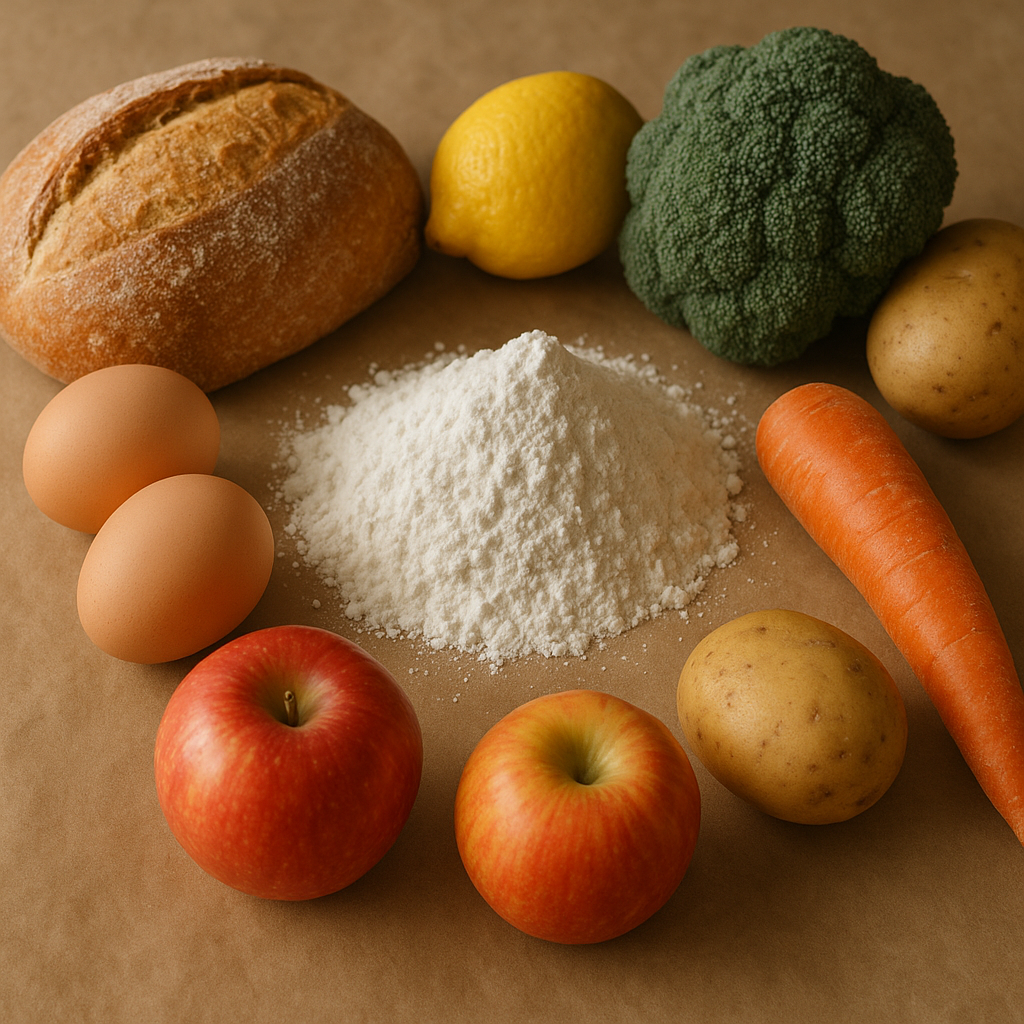
What it is
This is a type of flour made from the entire wheat kernel, including the bran, germ, and endosperm. It has a coarser texture and a nuttier flavor compared to refined white flour. The milling process retains more of the natural components of the wheat grain. This flour is a staple in many kitchens for baking and cooking. It is a common ingredient in a wide variety of baked goods and other dishes.
How people cook with it
Whole wheat flour is a versatile ingredient used in many home cooking and baking applications. It can be used on its own or blended with other flours.
- Baking bread
- Making pancakes
- Creating muffins
- Thickening sauces
When baking with whole wheat flour, it often absorbs more liquid than all-purpose flour, so you may need to adjust the amount of liquid in your recipe. It can be used as a direct substitute for all-purpose flour in many recipes, though the texture and flavor of the final product will be different. For a lighter texture, you can also combine it with all-purpose flour. It works well in recipes where a heartier, more robust flavor is desired. It is also good for adding to cookie doughs or pastry crusts.
How it differs from similar foods
Unlike all-purpose flour, whole wheat flour includes the bran and germ of the wheat kernel. This gives it a darker color, a denser texture, and a more pronounced, earthy flavor. All-purpose flour is made from the endosperm only, resulting in a lighter color and finer texture.
Who it is for
Home bakers and cooks who prefer a heartier texture and flavor in their baked goods often choose whole wheat flour.
How to keep the rest
To maintain freshness, store whole wheat flour in an airtight container in a cool, dry place. Refrigeration or freezing can extend its shelf life, especially if you live in a warm climate or do not use it frequently. Ensure the container is well-sealed to prevent moisture and pests.