
Grocery
Whole Wheat Flour
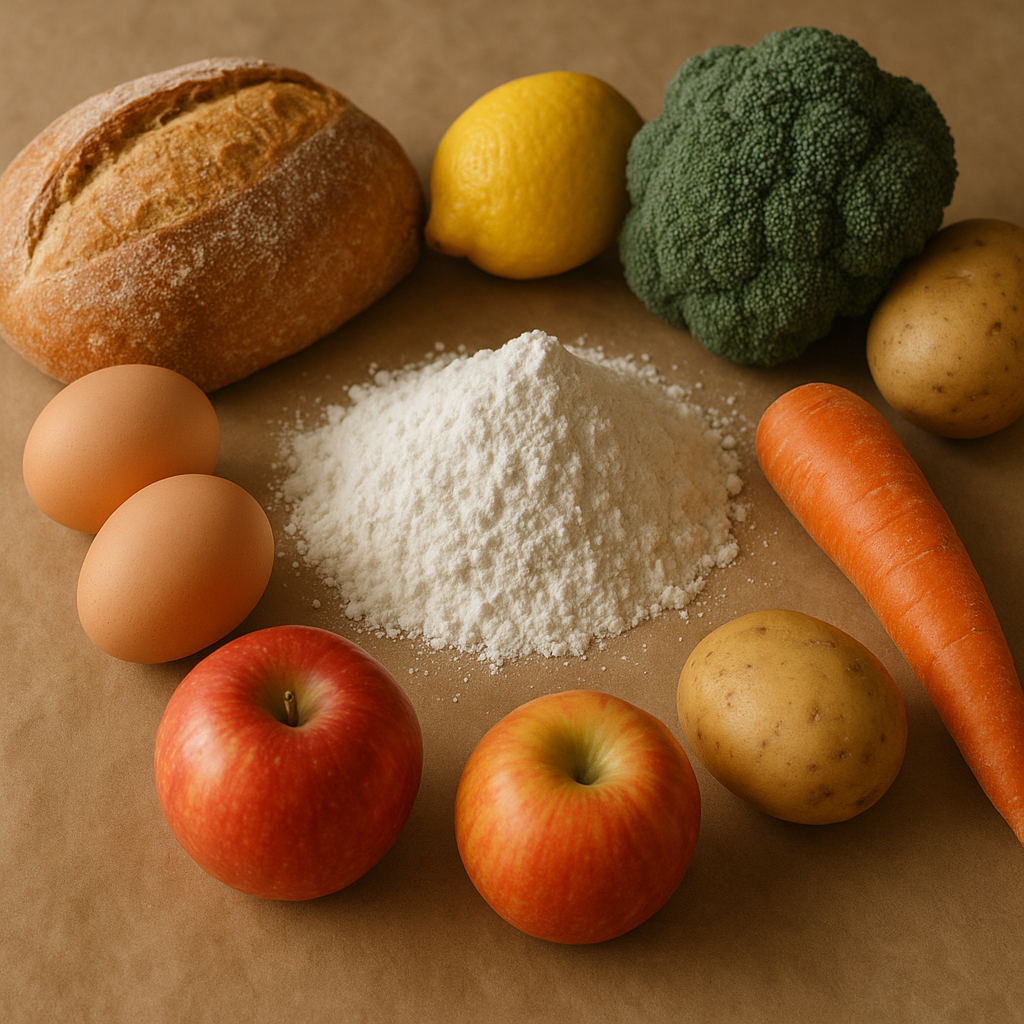
What it is
Whole wheat flour is made from the entire wheat kernel, including the bran, germ, and endosperm. This means it retains more of the natural components of the grain compared to refined flours. The presence of the bran and germ contributes to its characteristic color and slightly coarser texture. It is a staple ingredient in many kitchens for a wide variety of baked goods and other culinary applications.
How people cook with it
This flour is a versatile ingredient used in both sweet and savory cooking and baking. It can be used on its own or in combination with other flours.
- Baking bread
- Making pancakes
- Thickening sauces
- Creating pasta dough
When baking with whole wheat flour, you might notice it absorbs more liquid than all-purpose flour. This is due to the bran and germ. For recipes like bread, allowing the dough to rest for a bit longer can help hydrate the flour fully, leading to a better texture. It can be used in place of all-purpose flour in many recipes, though the final product may have a denser texture and a nuttier flavor. Experimenting with ratios can help you achieve your desired results.
How it differs from similar foods
Whole wheat flour differs from refined white flour because it includes the bran and germ. This gives it a darker color, a more robust flavor, and a slightly coarser texture. All-purpose flour has had these parts removed, resulting in a lighter color and a finer texture.
Who it is for
Home bakers and cooks looking for a flour with a more natural composition often choose whole wheat flour.
How to keep the rest
To maintain its freshness, store whole wheat flour in an airtight container in a cool, dry place. Because it contains the germ, which has natural oils, it can go rancid more quickly than refined flour. Refrigeration or freezing can extend its shelf life significantly.