
Grocery
Whole Milk Yogurt
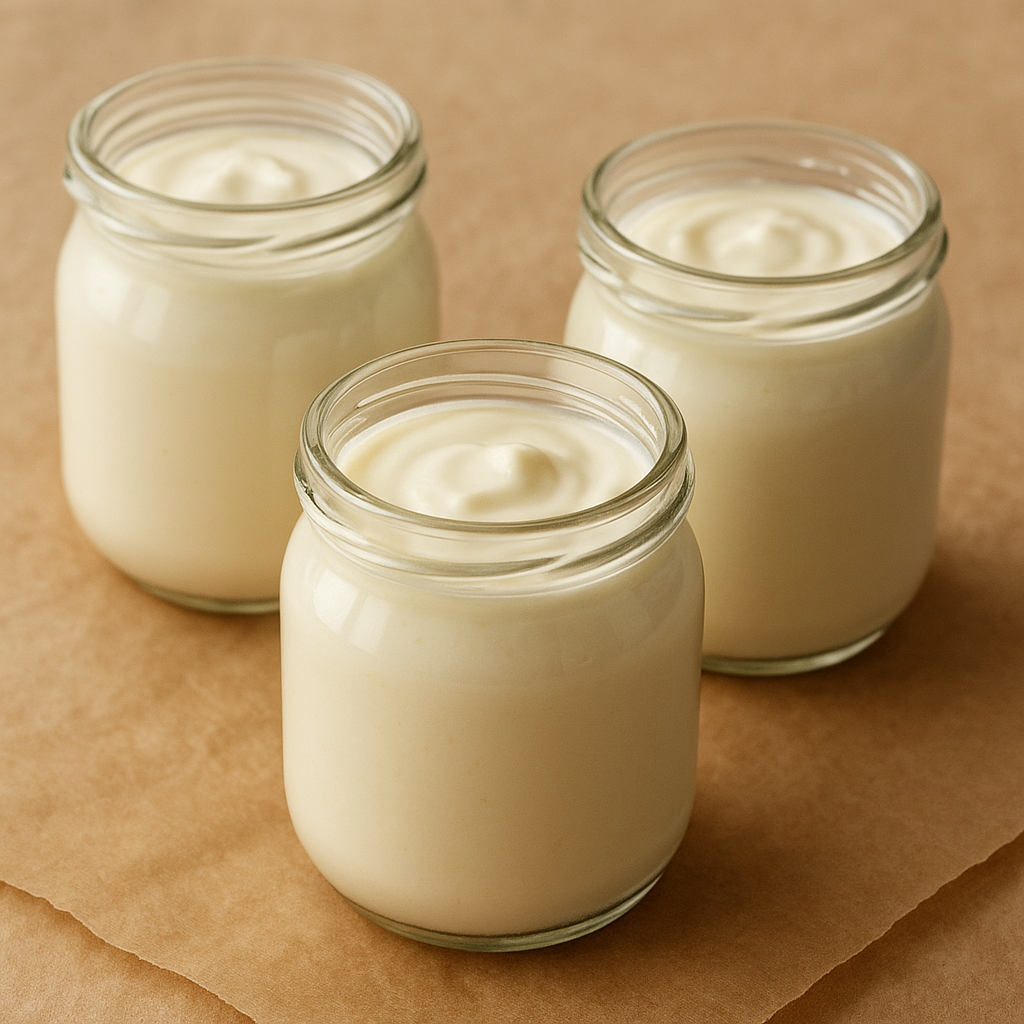
What it is
This is a dairy product made by the bacterial fermentation of milk. The bacteria used to make yogurt are known as yogurt cultures. These cultures ferment lactose, the natural sugar found in milk, into lactic acid. This process gives yogurt its tangy flavor and thick texture. It is a versatile ingredient that can be enjoyed on its own or as part of various dishes. The fat content contributes to its richness and mouthfeel.
How people cook with it
Yogurt is a staple in many kitchens, used for both sweet and savory applications. Its creamy nature makes it ideal for blending and mixing.
- Breakfast bowls
- Smoothie bases
- Marinades
- Sauce thickeners
Enjoy it plain for a simple snack, or top with fruit, granola, or honey for a more substantial breakfast. It can be blended into smoothies with fruits and vegetables for a quick and easy drink. In cooking, it serves as a base for creamy dips and dressings, or as a tenderizer and flavor enhancer in marinades for meats and poultry. It can also be used to add moisture and richness to baked goods.
How it differs from similar foods
Whole milk yogurt typically has a richer, creamier texture and a more pronounced dairy flavor compared to lower-fat or non-fat versions. The higher fat content contributes to a smoother mouthfeel and can affect how it behaves in recipes, often resulting in a more tender final product.
Who it is for
Home cooks and bakers who appreciate a rich, creamy dairy product for everyday meals and recipes.
How to keep the rest
Keep refrigerated. Once opened, store any unused portion in an airtight container in the refrigerator to maintain freshness. Consume within the recommended timeframe after opening to ensure the best quality and flavor. Avoid leaving it at room temperature for extended periods.