
Nature's Touch
Nature's Touch Whole Milk
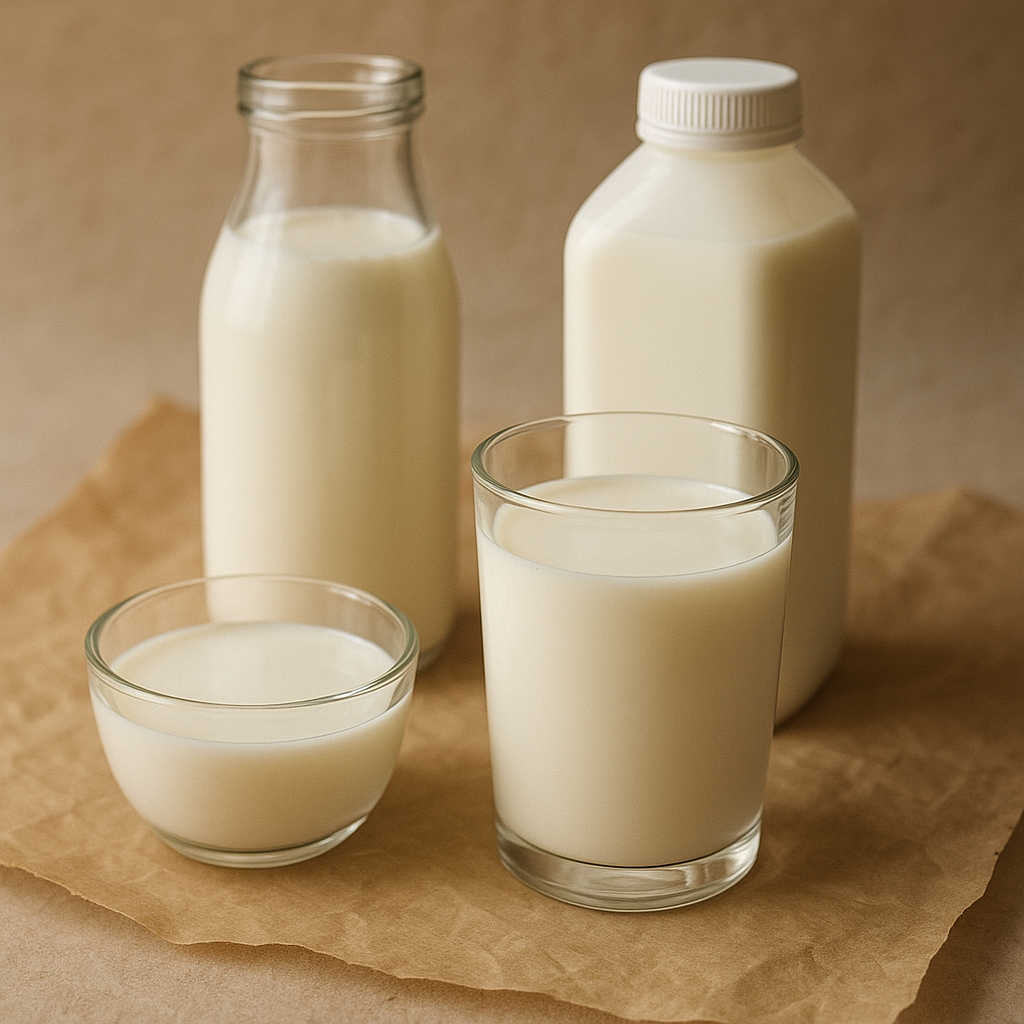
What it is
This is a dairy beverage produced from cows. It contains all of its natural fat content, which contributes to its rich flavor and creamy texture. Whole milk is a common staple in many households, often consumed on its own or used as a base for other foods and drinks. It is a versatile ingredient that can be found in various forms, including pasteurized and homogenized options.
How people cook with it
Whole milk is a fundamental ingredient in both sweet and savory cooking. It adds richness and moisture to baked goods and sauces.
- Baking cakes and cookies
- Making creamy sauces
- Adding to coffee or tea
- Drinking straight from a glass
Whole milk can be enjoyed chilled as a beverage. In cooking, it is often incorporated into batters for pancakes and waffles, providing a tender crumb. It is also a key component in custards, puddings, and ice cream, where its fat content contributes to a smooth and luxurious mouthfeel. When making sauces like béchamel or cheese sauces, whole milk helps to create a velvety consistency. It can also be used to thin out doughs or batters when a richer result is desired.
How it differs from similar foods
Compared to lower-fat milk options, whole milk has a higher fat percentage. This results in a fuller body and a more pronounced dairy flavor. The fat content also affects how it behaves in cooking, contributing to a richer texture in baked goods and smoother emulsions in sauces.
Who it is for
Home cooks and families often choose whole milk for its versatility and classic taste.
How to keep the rest
After opening, store any remaining whole milk in its original container in the refrigerator. Keep it tightly sealed to prevent it from absorbing odors from other foods. It is best consumed within the recommended timeframe after opening to maintain freshness and quality.