
Grocery
Whole Cultured Buttermilk
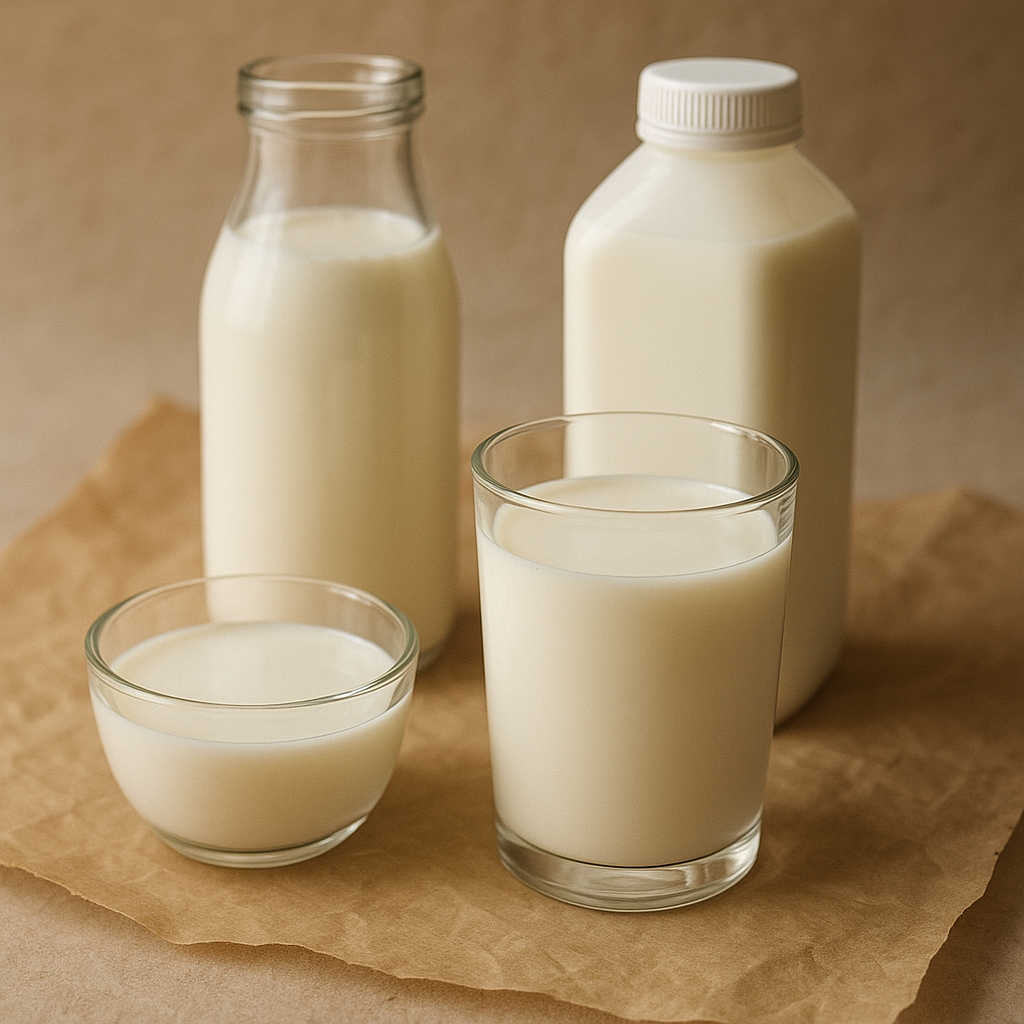
What it is
Whole cultured buttermilk is a fermented dairy product made from milk. It has a tangy flavor and a slightly thicker consistency than regular milk. The culturing process involves adding live and active cultures to milk, which ferment the lactose into lactic acid. This gives buttermilk its characteristic sour taste and makes it a useful ingredient in baking and cooking. It is made with whole milk, meaning it contains its natural fat content.
How people cook with it
This versatile dairy staple adds moisture and tenderness to baked goods and can be used in marinades and dressings.
- Pancakes and waffles
- Biscuits and scones
- Marinades for chicken
- Creamy salad dressings
In baking, buttermilk reacts with leavening agents like baking soda to create a lighter, fluffier texture in cakes, muffins, and quick breads. Its acidity tenderizes meat, making it ideal for marinating poultry or pork before cooking. It can also be blended into smoothies for a creamy, slightly tart base or used as a base for homemade ranch dressing. For a simple drink, it can be consumed chilled on its own.
How it differs from similar foods
Unlike regular milk, cultured buttermilk has a distinct sourness due to fermentation. This acidity is key to its leavening properties in baking. Its thicker texture also contributes to a richer mouthfeel in recipes compared to thin, uncultured milk.
Who it is for
Home cooks and bakers often keep this ingredient on hand for its unique culinary properties.
How to keep the rest
After opening, store any unused cultured buttermilk in its original container in the refrigerator. Ensure the container is tightly sealed to maintain freshness and prevent it from absorbing odors from other foods. It should be consumed within the recommended timeframe after opening.