
Grocery
Whole Raw Almonds
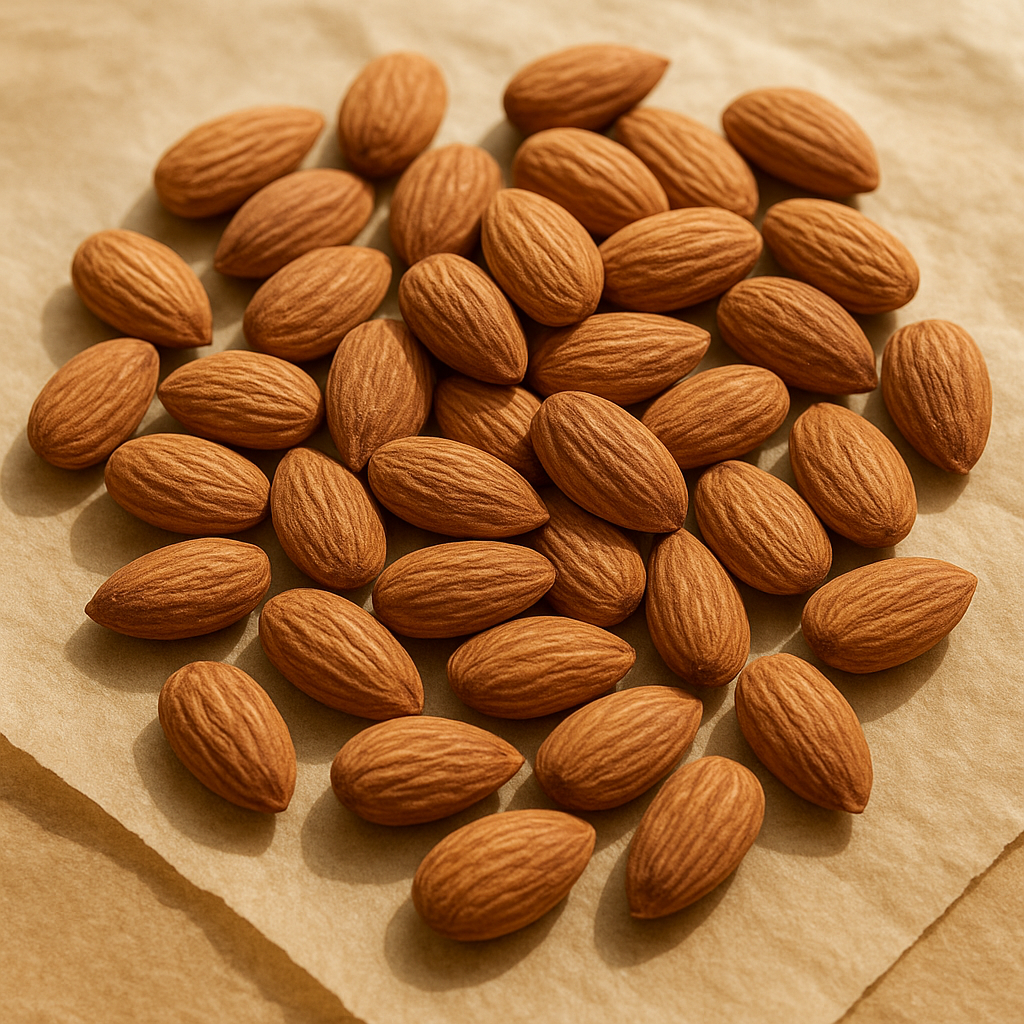
What it is
These are whole almonds in their natural state. They have not been roasted, salted, or flavored in any way. The almonds are contained within their natural brown skin, which adds a slightly bitter note and a bit of texture. They are a versatile ingredient, suitable for both sweet and savory applications. The almonds are typically sold in their raw form, allowing for maximum flexibility in how they are prepared and used in various dishes.
How people cook with it
Whole almonds can be enjoyed as a simple snack or incorporated into a wide range of culinary creations.
- Snacking straight from the bag
- Adding crunch to salads
- Incorporating into baked goods
- Blending into sauces
These whole almonds are ready to be used in many ways. You can eat them as they are for a quick and satisfying snack. For a different flavor and texture, you can toast them lightly in a dry pan or in the oven until fragrant. This process enhances their natural sweetness and makes them more aromatic. They can be chopped or left whole to add texture to baked goods like cookies, muffins, and bread. They also work well blended into creamy sauces or pestos, adding richness and a nutty depth. Their versatility makes them a staple in many kitchens.
How it differs from similar foods
Unlike roasted almonds, these are raw, meaning they retain their natural moisture and a milder flavor profile. They also have their skins intact, which contributes a subtle earthiness and a slightly chewier texture compared to blanched or slivered almonds. The absence of any added salt or oil means they are a blank canvas for your culinary needs.
Who it is for
Home cooks and bakers who appreciate natural ingredients and desire flexibility in their recipes will find these almonds useful.
How to keep the rest
To keep the rest of these whole almonds fresh, store them in an airtight container in a cool, dry place. Avoid direct sunlight and humidity. For longer storage, you can keep them in the refrigerator or freezer, which will help maintain their quality and prevent them from going rancid over time.