
Simple Truth Organic
Simple Truth Organic White Wine Vinegar
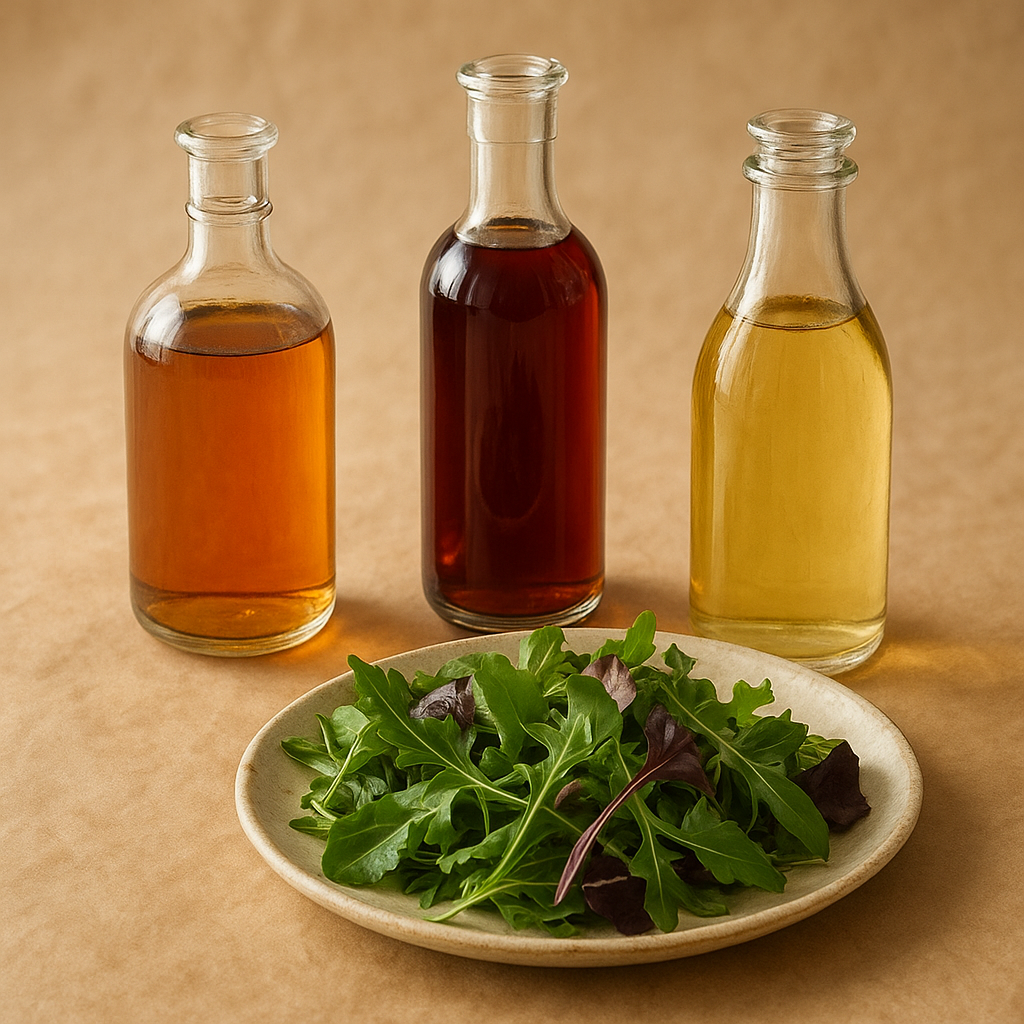
What it is
This is a clear, pale liquid made from fermented white wine. It has a bright, tangy flavor that is less sharp than distilled white vinegar. The organic certification means it is produced without synthetic pesticides or fertilizers, adhering to specific farming practices. It is a pantry staple for many home cooks and professional chefs alike, valued for its versatility in both cooking and preserving.
How people cook with it
White wine vinegar is a foundational ingredient for many culinary applications, adding acidity and brightness to dishes.
- Salad dressings
- Marinades
- Pickling
- Deglazing pans
It can be used to create vinaigrettes by whisking it with olive oil and seasonings. In marinades, it helps tenderize meats and poultry. It is also excellent for pickling vegetables, providing a crisp, tangy brine. Deglazing a pan with white wine vinegar after searing meat can capture flavorful browned bits, forming the base for sauces. A splash can also brighten up cooked vegetables or soups, adding a subtle lift without overpowering other flavors. It is a key component in many classic sauces and reductions.
How it differs from similar foods
Compared to distilled white vinegar, white wine vinegar has a milder, more nuanced flavor profile due to its wine origin. It is less harsh and offers a subtle fruitiness. Red wine vinegar, another common type, has a deeper color and a more robust, sometimes earthier, taste.
Who it is for
Home cooks and professional chefs who appreciate a balanced acidity in their preparations.
How to keep the rest
To maintain its quality, store the bottle in a cool, dark place away from direct sunlight and heat. Ensure the cap is tightly sealed after each use to prevent evaporation and contamination. Refrigeration is not typically necessary for vinegar, but a cool pantry shelf is ideal.