
Harris Teeter
Harris Teeter White Wine Vinegar
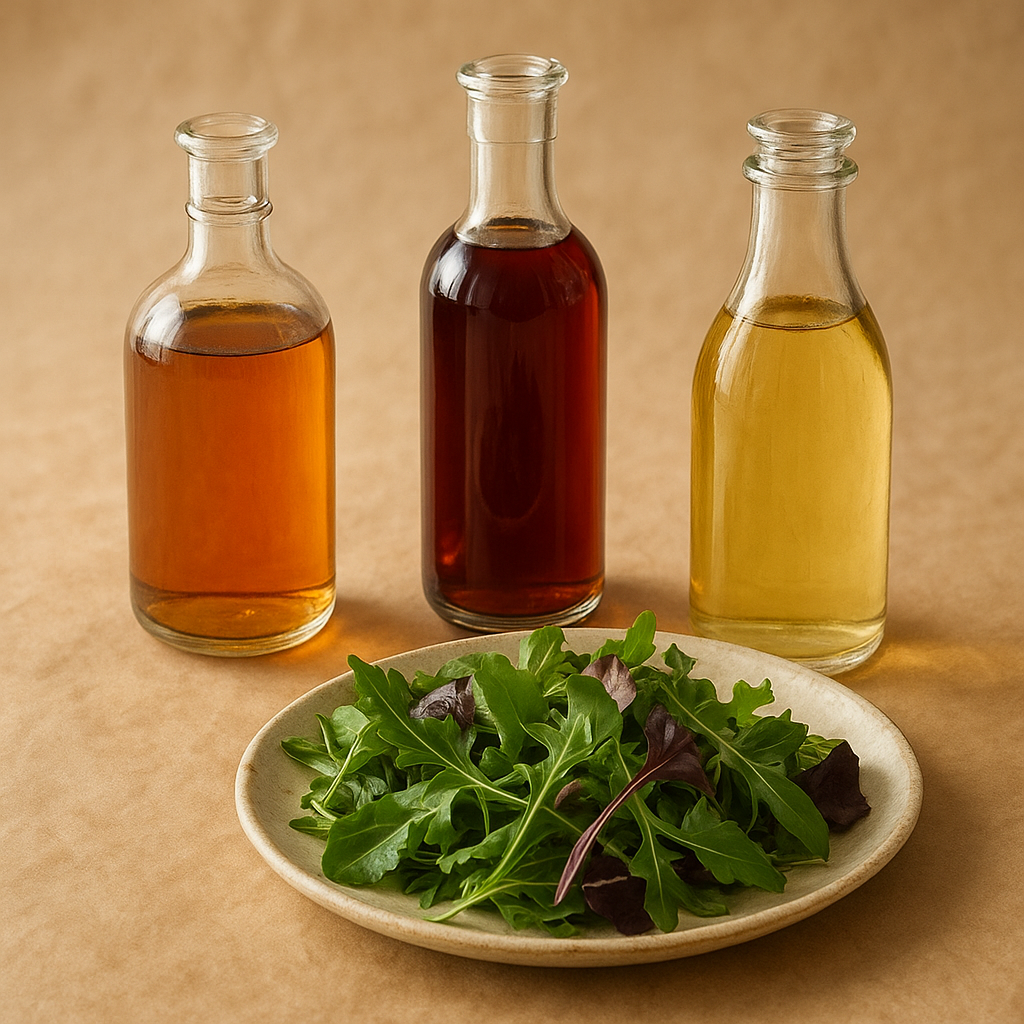
What it is
This is a type of vinegar made from white wine. It has a clean, crisp taste that is less sharp than some other vinegars. The process involves oxidizing alcohol into acetic acid, which gives vinegar its characteristic sourness. This particular vinegar is a pantry staple for many home cooks. It is bottled for convenience and ready to be used in various culinary applications.
How people cook with it
White wine vinegar is a versatile ingredient used in many dishes. Its bright flavor can enhance both savory and sweet preparations.
- Salad dressings
- Marinades
- Pickling
- Sauces
In the kitchen, white wine vinegar is often whisked into vinaigrettes for salads, providing a pleasant tang. It can also be incorporated into marinades for poultry and fish, helping to tenderize the meat and add a subtle acidity. For pickling vegetables, it offers a balanced sourness that preserves the produce. Additionally, it can be used to deglaze pans after cooking, creating a flavorful base for pan sauces. Its mild profile makes it suitable for delicate dishes where a strong vinegar flavor is not desired.
How it differs from similar foods
Compared to red wine vinegar, white wine vinegar has a lighter color and a more delicate, less robust flavor. It lacks the fruity notes often found in red wine vinegar. It is also generally less acidic than distilled white vinegar, making it a gentler choice for certain recipes.
Who it is for
Home cooks looking for a versatile and mild acidic component for their recipes will find this vinegar useful.
How to keep the rest
To maintain its quality, store the bottle of white wine vinegar in a cool, dark place, away from direct sunlight and heat. Ensure the cap is tightly sealed after each use to prevent evaporation and contamination. Refrigeration is not typically necessary for unopened bottles, but it can extend shelf life once opened.