
Grocery
White Vinegar for Everyday Cooking
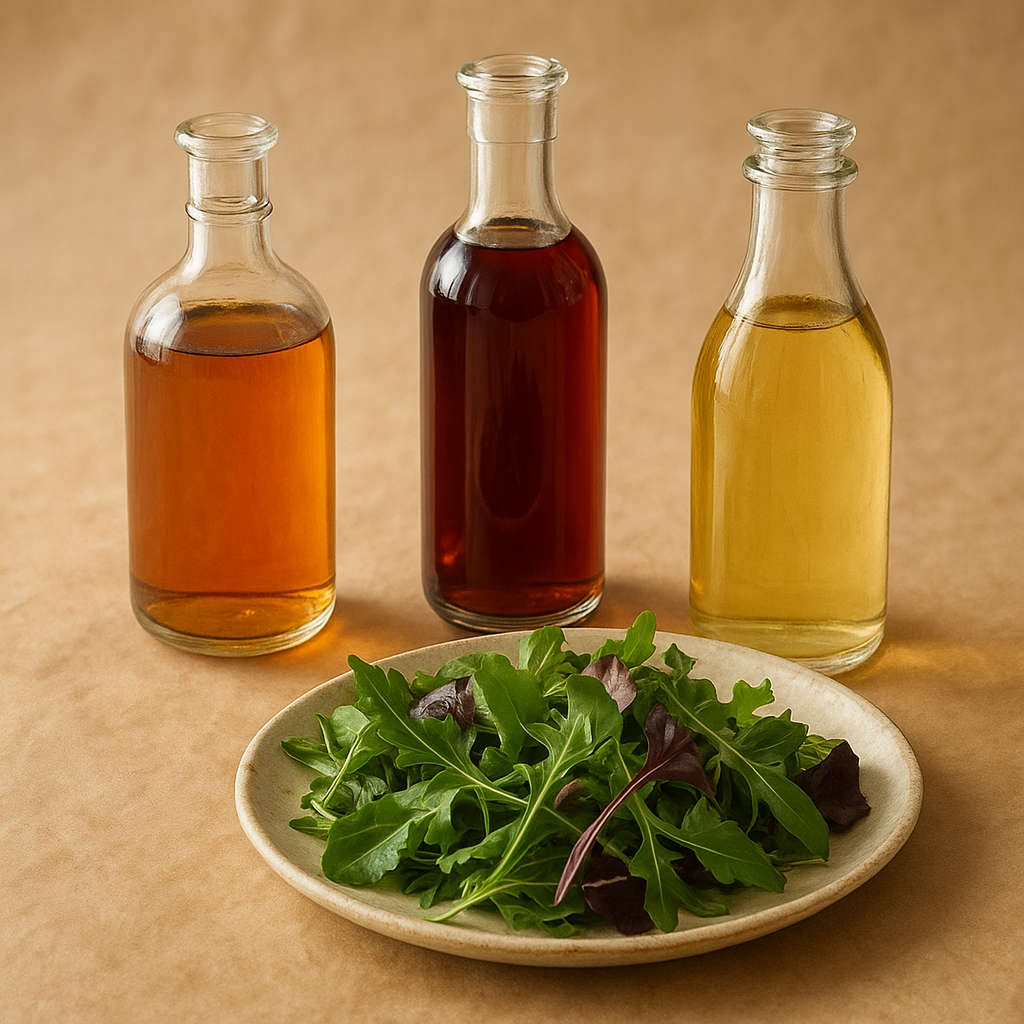
What it is
This is a common household staple, a clear, colorless liquid with a sharp, acidic taste. It is produced through the fermentation of ethanol, resulting in acetic acid. Its primary characteristic is its sourness, which makes it a versatile ingredient in many culinary applications. It is a fundamental component for balancing flavors and adding brightness to dishes. Its purity and straightforward flavor profile make it a reliable choice for a wide range of cooking needs.
How people cook with it
White vinegar is a kitchen essential used for both cooking and cleaning. Its acidity plays a crucial role in many preparations.
- Marinades for meats
- Pickling vegetables
- Salad dressings
- Baking leavening
In cooking, white vinegar is often used to tenderize meats in marinades, providing a tangy base that complements savory flavors. It is essential for making quick pickles, where its acidity preserves vegetables and imparts a distinct sourness. It also forms the backbone of many vinaigrettes, cutting through richness and adding zest. In baking, it can react with baking soda to create lift in cakes and quick breads. Its clean flavor does not overpower other ingredients, making it suitable for delicate dishes.
How it differs from similar foods
Compared to other vinegars like apple cider or balsamic, white vinegar has a more neutral and sharper acidic profile. It lacks the fruity notes of apple cider vinegar or the complex sweetness of balsamic. This makes it ideal when a pure acidic punch is needed without introducing other flavor complexities.
Who it is for
Home cooks and professional chefs rely on white vinegar for its consistent performance and clean taste.
How to keep the rest
To maintain its quality, store white vinegar in a cool, dark place, away from direct sunlight and heat. Keep the bottle tightly sealed to prevent evaporation and contamination. It has a long shelf life when stored properly, making it a pantry staple that lasts.