
Grocery
White Vinegar for Everyday Cooking
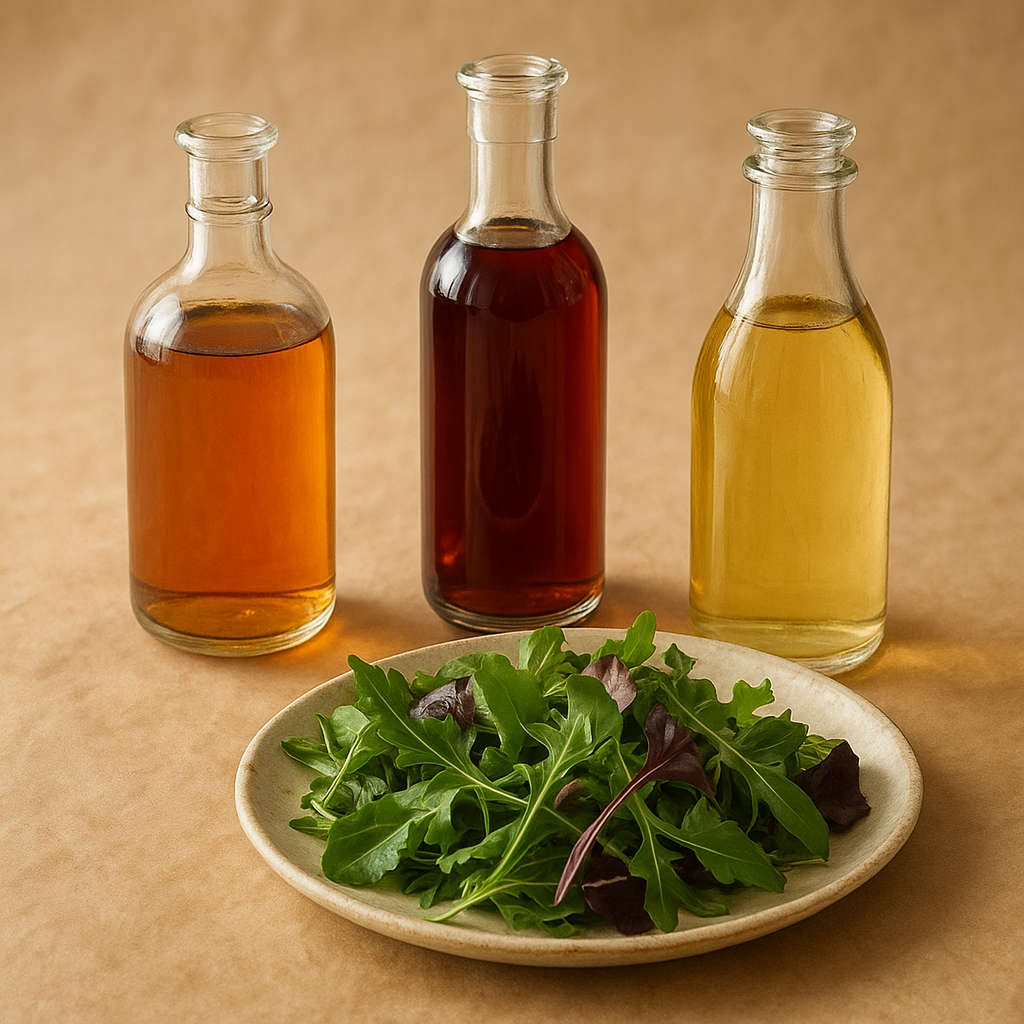
What it is
This is a clear, colorless liquid with a sharp, acidic taste. It is made through the fermentation of ethanol, which is then oxidized to acetic acid. The concentration of acetic acid in standard white vinegar is typically around 5%. This acidity makes it a versatile ingredient in the kitchen, useful for a variety of culinary applications. It is a pantry staple found in many homes.
How people cook with it
White vinegar adds brightness and tang to many dishes. It is also used for cleaning and preservation.
- Marinades for meats
- Pickling vegetables
- Salad dressings
- Cleaning surfaces
In cooking, white vinegar is often used to balance rich flavors or to tenderize meats in marinades. Its acidity can cut through fattiness, making it ideal for dressings and sauces. It's also a key component in many pickling brines, helping to preserve fruits and vegetables and impart a characteristic sourness. It can also be used in baking for leavening when combined with baking soda.
How it differs from similar foods
Compared to other vinegars like apple cider or balsamic, white vinegar has a more neutral flavor profile and a higher acidity. This makes it less likely to impart its own distinct taste to a dish, allowing other ingredients to shine. Its clarity also means it won't alter the color of lighter foods.
Who it is for
Home cooks and professional chefs alike use white vinegar for its versatility and effectiveness.
How to keep the rest
Store white vinegar in a cool, dark place, away from direct sunlight. Keep the bottle tightly sealed to prevent evaporation and maintain its potency. It has a long shelf life when stored properly, making it a reliable pantry item for extended periods.