
Grocery
Long Grain White Rice
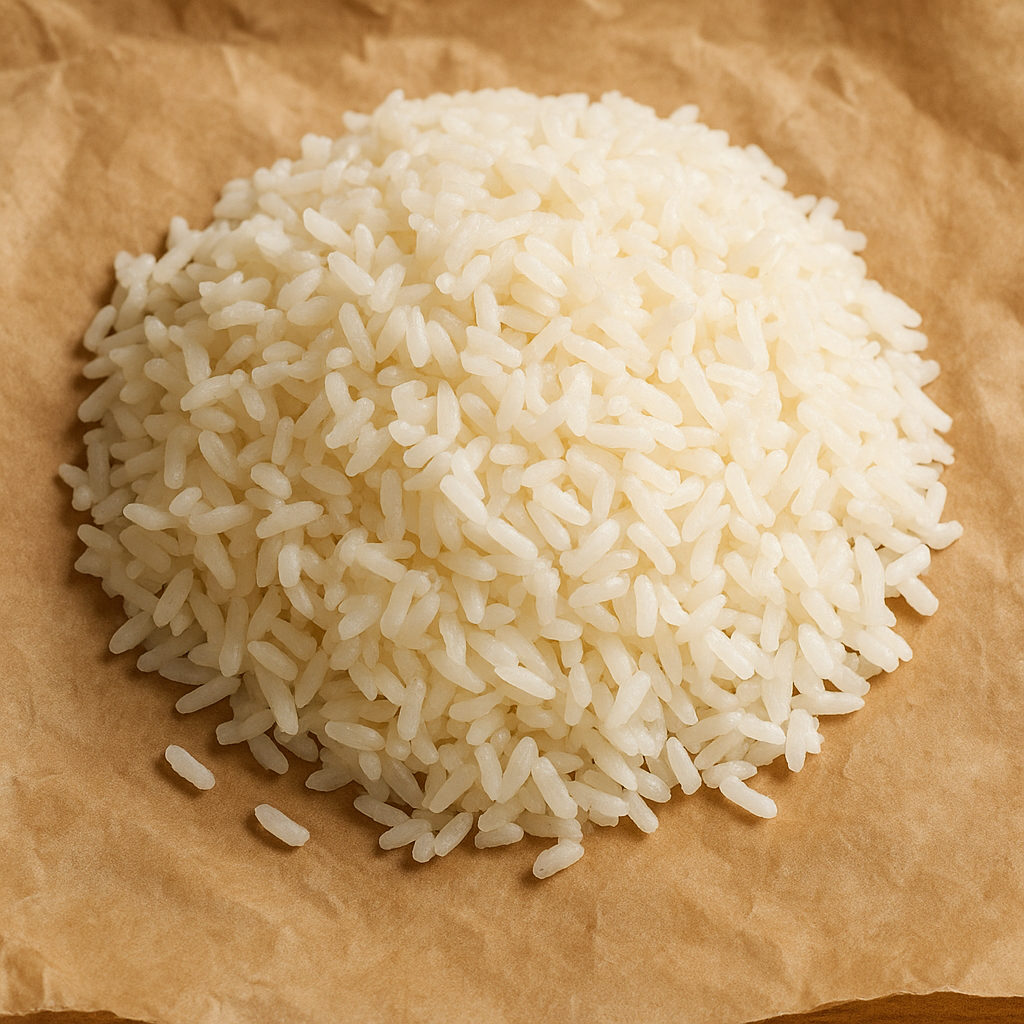
What it is
This is a staple grain, processed to remove the outer husk, bran, and germ. This milling process results in a lighter color and a longer shelf life compared to its whole grain counterparts. It is a versatile carbohydrate source, commonly used in cuisines around the world. The grains are typically separate and fluffy when cooked correctly.
How people cook with it
White rice serves as a foundation for countless meals, absorbing flavors from sauces and accompanying dishes.
- Side dish for curries
- Base for stir-fries
- Ingredient in rice pudding
- Filler for stuffed vegetables
To prepare, rinse the rice under cold water until the water runs clear to remove excess starch. Combine the rinsed rice with the appropriate amount of water or broth in a saucepan. Bring to a boil, then reduce heat to low, cover, and simmer until all the liquid is absorbed and the rice is tender. Let it steam, covered, for a few minutes off the heat before fluffing with a fork.
How it differs from similar foods
Compared to brown rice, white rice has a softer texture and a milder flavor due to the removal of the bran and germ. This processing also makes it cook faster. It is less dense and has a higher glycemic index than whole grains.
Who it is for
Home cooks and professional chefs rely on white rice for its adaptability and widespread appeal.
How to keep the rest
Store uncooked rice in a cool, dry place in an airtight container to prevent moisture absorption and pest infestation. Properly stored, it can maintain its quality for an extended period.