
Grocery
Fresh White Potatoes
What it is
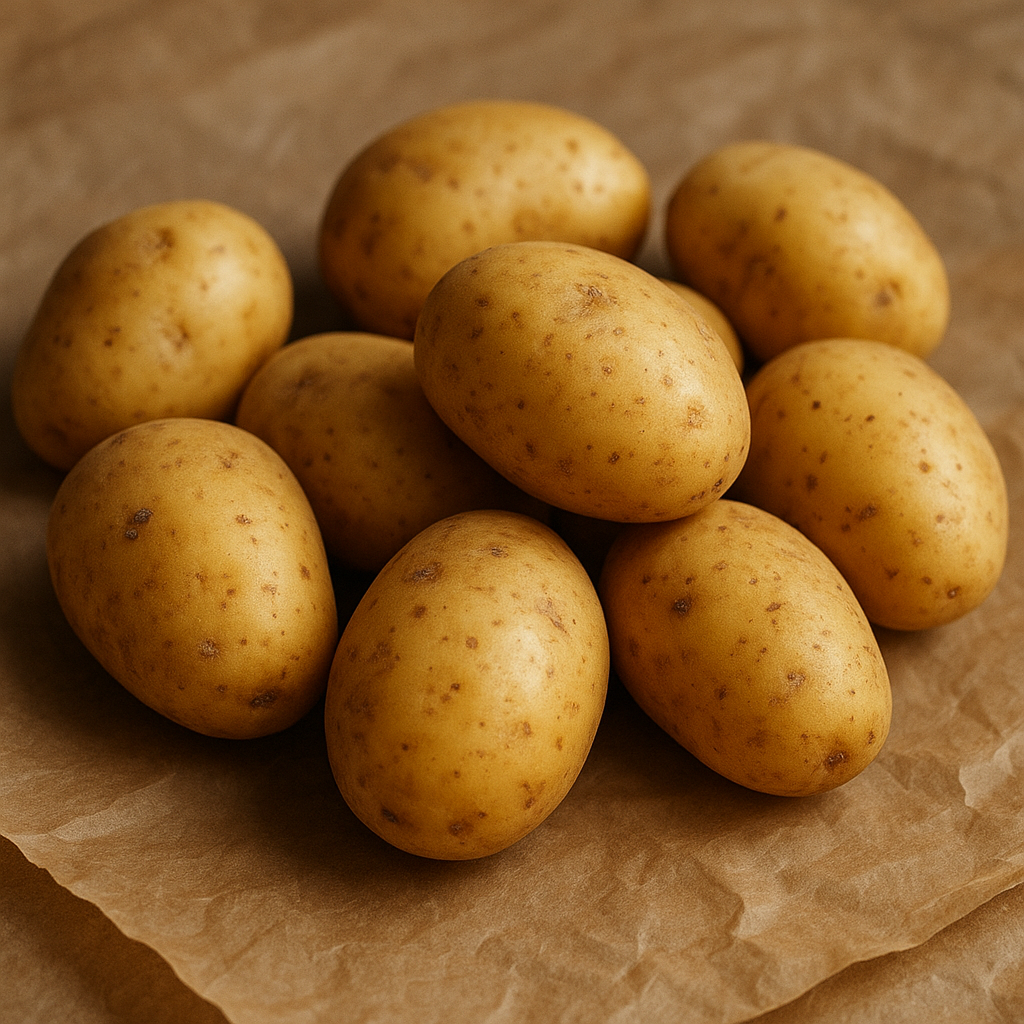
These are starchy tubers that grow underground. They have a thin, light brown skin and firm, white flesh. White potatoes are a versatile staple ingredient, known for their mild flavor and ability to absorb other tastes. They are a good source of carbohydrates and provide a satisfying texture in many dishes. Their smooth texture when cooked makes them a popular choice for mashing and pureeing.
How people cook with it
White potatoes are a foundational ingredient in countless cuisines worldwide. They can be prepared in a multitude of ways to complement any meal.
- Boiled for mashing
- Roasted with herbs
- Fried into chips
- Added to stews
To prepare white potatoes, begin by washing them thoroughly to remove any dirt. You can peel them if desired, or leave the skin on for added texture and nutrients. For boiling, cut them into uniform pieces and submerge them in cold, salted water, bringing it to a boil until tender. When roasting, toss them with oil and seasonings before baking in a hot oven until golden brown and crisp. They can also be sliced thinly and fried until crispy for a classic side dish.
How it differs from similar foods
Compared to waxy potatoes, white potatoes have a drier, more mealy texture when cooked. This makes them less ideal for potato salads where they need to hold their shape, but perfect for dishes where a soft, yielding texture is desired, like mashed potatoes or baked potatoes.
Who it is for
Home cooks and professional chefs alike rely on white potatoes for their adaptability and consistent results.
How to keep the rest
Store unwashed white potatoes in a cool, dark, and well-ventilated place, such as a pantry or cellar. Avoid storing them in plastic bags, as this can trap moisture. Keep them away from onions, as the gases they release can cause each other to spoil faster.