
Food Basics
Food Basics White Potatoes
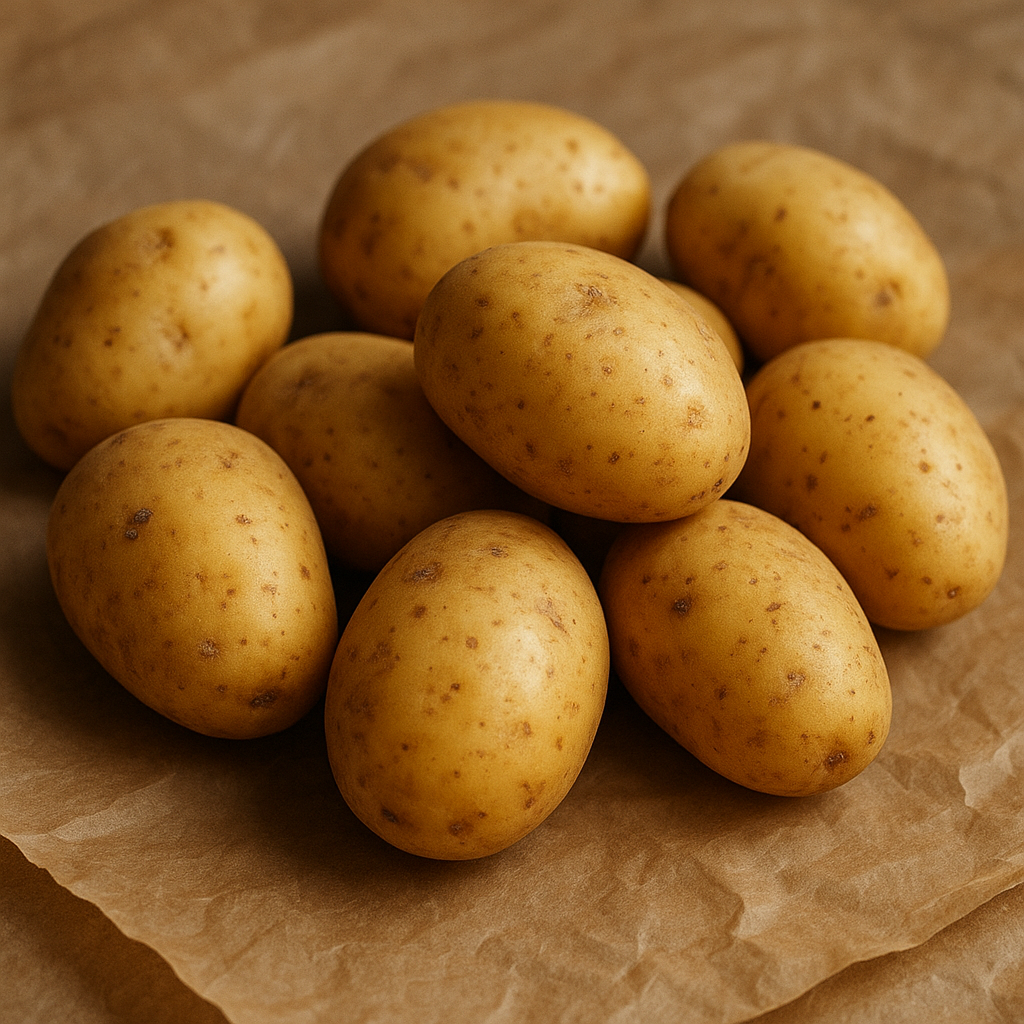
What it is
These are starchy tubers, a staple vegetable known for their versatility in the kitchen. They have a thin, edible skin and a firm, white flesh that cooks up tender. White potatoes offer a neutral flavor that pairs well with a wide range of seasonings and other ingredients. Their texture can vary depending on the cooking method, from fluffy to creamy. They are a common pantry item found in grocery stores.
How people cook with it
White potatoes are a foundational ingredient in countless dishes, from simple sides to hearty main courses. They can be prepared in many ways to suit different culinary needs.
- Boiled for mashing
- Roasted with herbs
- Fried into chips
- Added to stews
To prepare white potatoes, begin by washing them thoroughly to remove any dirt. You can peel them if desired, or leave the skin on for added texture and nutrients. Cut them into uniform pieces for even cooking, whether you are boiling, baking, roasting, or frying. For mashing, boil until fork-tender. For roasting, toss with oil and seasonings and bake until golden brown and crisp. They can also be sliced thinly for chips or diced for inclusion in casseroles and soups.
How it differs from similar foods
Compared to waxy potatoes, white potatoes tend to be starchier and break down more easily when cooked. This makes them ideal for mashing and frying, where a softer, fluffier texture is desired. Waxy potatoes hold their shape better and are preferred for potato salads or gratins.
Who it is for
Home cooks and professional chefs alike rely on white potatoes for their adaptability and widespread appeal.
How to keep the rest
Store any unused white potatoes in a cool, dark, and dry place, such as a pantry or cellar. Avoid storing them in the refrigerator, as this can alter their texture and flavor. Keep them away from onions, as they can cause each other to spoil more quickly.