
TOMMY BOY
Tommy Boy White Potatoes
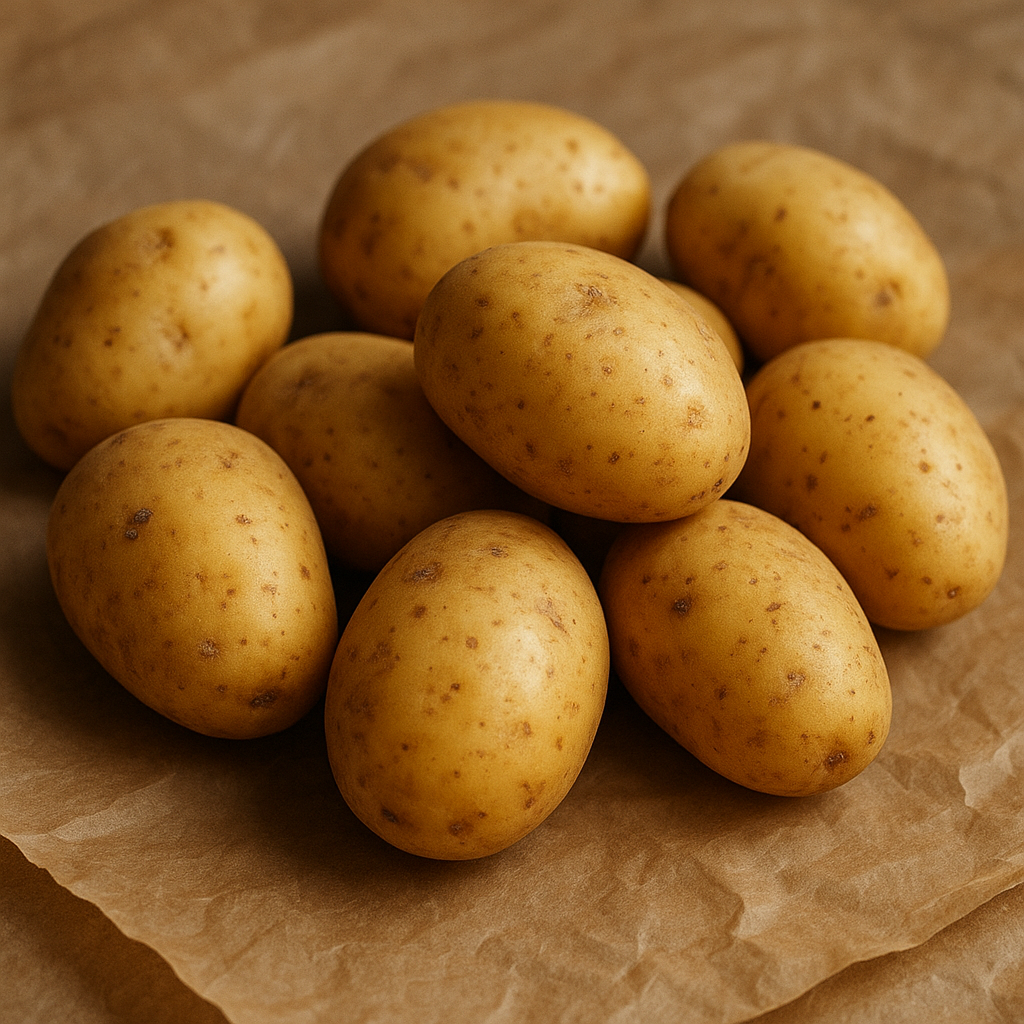
What it is
These are whole, unpeeled white potatoes. They have a thin, edible skin and a firm, starchy interior. White potatoes are a versatile staple in many kitchens, offering a neutral flavor that pairs well with a wide range of ingredients. Their texture changes depending on how they are prepared, becoming fluffy when baked or creamy when mashed.
How people cook with it
White potatoes are a foundational ingredient for countless dishes. They can be a main component or a supporting player in meals.
- Baked whole
- Mashed
- Roasted in chunks
- Sliced for gratins
To prepare white potatoes, begin by washing them thoroughly under running water to remove any dirt. You can then choose to peel them or leave the skin on, depending on your preference and the intended dish. For baking, simply prick them with a fork and place them in a preheated oven. For mashing, boil them until tender. They can also be cut into cubes or wedges for roasting, or thinly sliced for layered dishes. Their adaptability makes them suitable for frying, boiling, steaming, and baking.
How it differs from similar foods
Compared to russet potatoes, white potatoes generally have a thinner skin and a slightly less mealy texture when cooked. They hold their shape better when boiled or roasted, making them ideal for potato salads or dishes where distinct pieces are desired. Their starch content is moderate.
Who it is for
Home cooks and professional chefs alike use white potatoes for everyday meals and special occasions.
How to keep the rest
Store any unused white potatoes in a cool, dark, and dry place. Avoid refrigeration, as this can affect their texture and flavor. Ensure they are not exposed to direct sunlight. They should be kept away from onions, as this can cause them to sprout more quickly.