
Grocery
Fresh White Onions
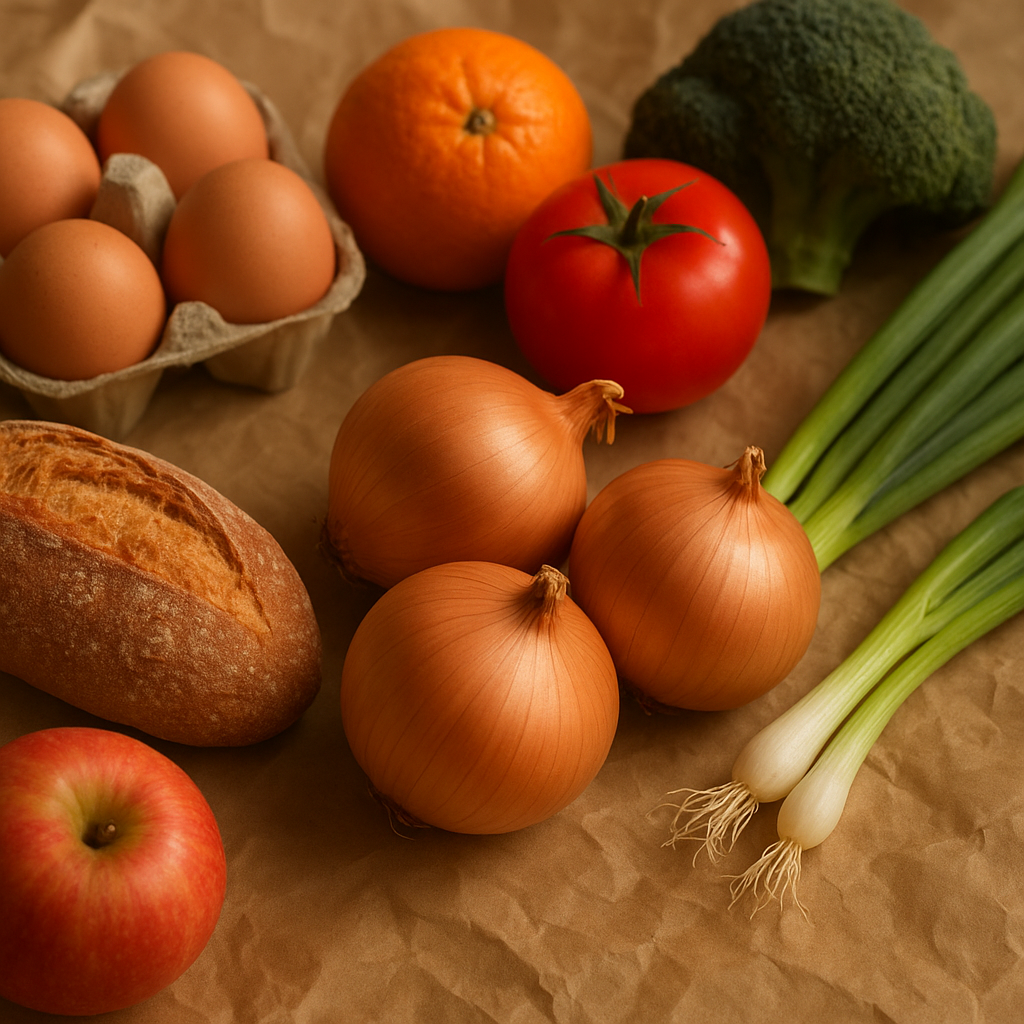
What it is
These are fresh white onions, a common bulb vegetable known for its crisp texture and pungent flavor. They are a staple ingredient in kitchens worldwide, prized for their versatility. White onions have a papery outer skin that is typically removed before cooking. Their flesh is firm and juicy, offering a sharp taste when raw that mellows significantly when cooked. They are a foundational aromatic for many savory dishes.
How people cook with it
White onions are a fundamental building block for countless culinary creations. They add depth and sweetness to both simple and complex meals.
- Base for soups and stews
- Added to stir-fries
- Caramelized for toppings
- Chopped raw for salads
To prepare white onions, begin by removing the dry outer layers of skin. Trim off the stem end and the root end. You can then slice them thinly for rings, dice them finely for mirepoix, or chop them into larger pieces depending on your recipe. They can be sautéed until softened and translucent, caramelized to a deep brown sweetness, or roasted to bring out their natural sugars. Their sharp flavor mellows considerably with heat, becoming sweeter and more complex.
How it differs from similar foods
Compared to yellow onions, white onions tend to have a sharper, more pungent flavor when raw. They also have a thinner skin and a slightly crisper texture. Red onions, on the other hand, are known for their milder sweetness and vibrant color, making them ideal for raw applications like salads.
Who it is for
Home cooks and professional chefs alike rely on white onions for their essential flavor profile.
How to keep the rest
Store uncooked white onions in a cool, dry, and well-ventilated place, away from direct sunlight. Avoid storing them in plastic bags, as this can trap moisture. They can be kept at room temperature for several weeks. Once cut, wrap any remaining portions tightly in plastic wrap and refrigerate.