
J Basket
J Basket White Konjac Yam Noodles
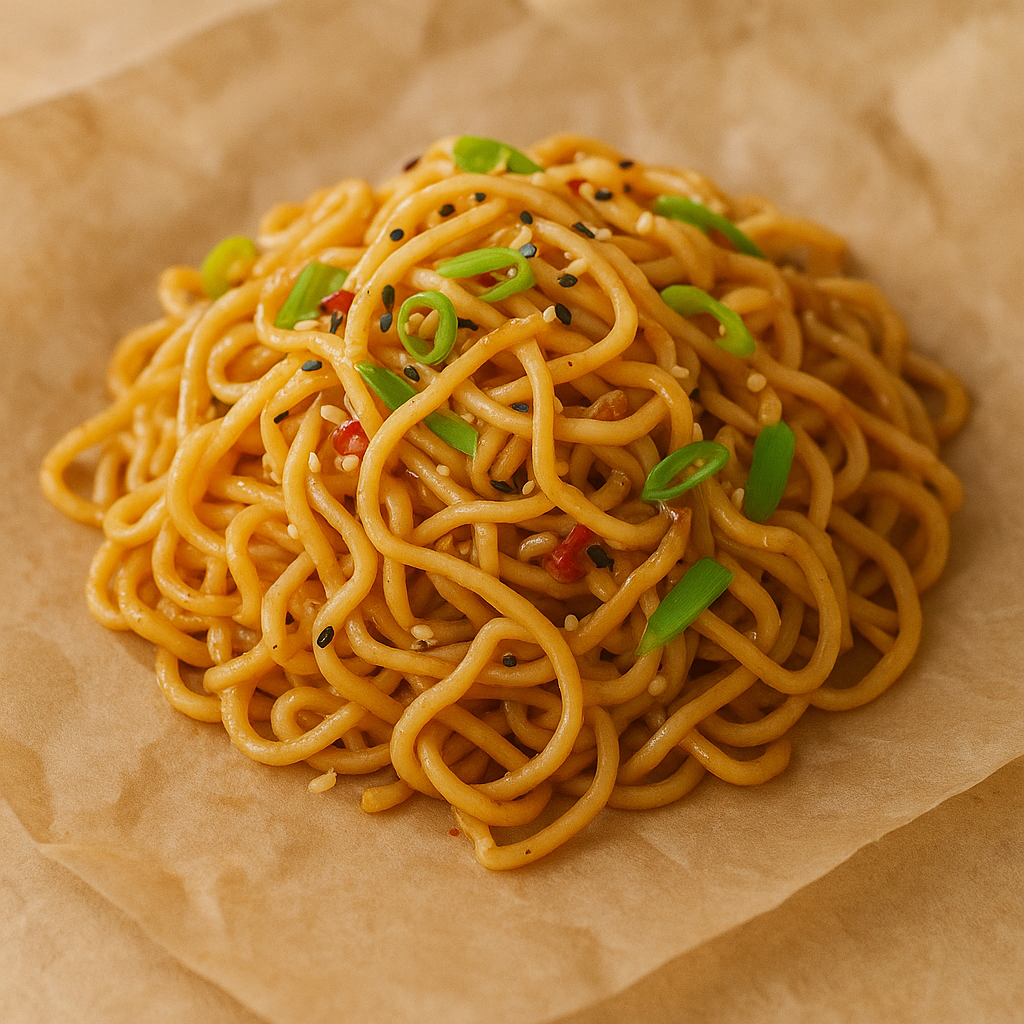
What it is
These are translucent, noodle-like strands made from the konjac yam, a root vegetable native to Asia. The noodles have a unique, slightly chewy texture that absorbs flavors well. They are a versatile ingredient that can be used in a wide variety of dishes.
How people cook with it
They can be incorporated into both hot and cold dishes.
- Stir-fries
- Soups
- Salads
- Noodle bowls
Before cooking, it is important to rinse the konjac noodles thoroughly under cold running water. This helps to remove any residual liquid and the natural scent of the konjac. Some people prefer to boil them for a few minutes to soften them further, though this is often optional depending on the desired texture. Once prepared, they can be added to your favorite sauces, broths, or stir-fried with vegetables and proteins. They are best when served immediately after cooking to maintain their texture.
How it differs from similar foods
Unlike traditional wheat-based noodles, konjac noodles are virtually carb-free and have a distinct, springy texture. They do not become mushy when overcooked in the same way that pasta can. Their neutral flavor profile allows them to readily take on the tastes of other ingredients.
Who it is for
Home cooks looking for lower-carbohydrate alternatives to traditional pasta and noodles.
How to keep the rest
Refrigerate any unused portion of the konjac noodles in their original packaging or in an airtight container. Ensure they are submerged in water to keep them moist. They should be consumed within a few days of opening.