
Grocery
Premium White Jasmine Rice
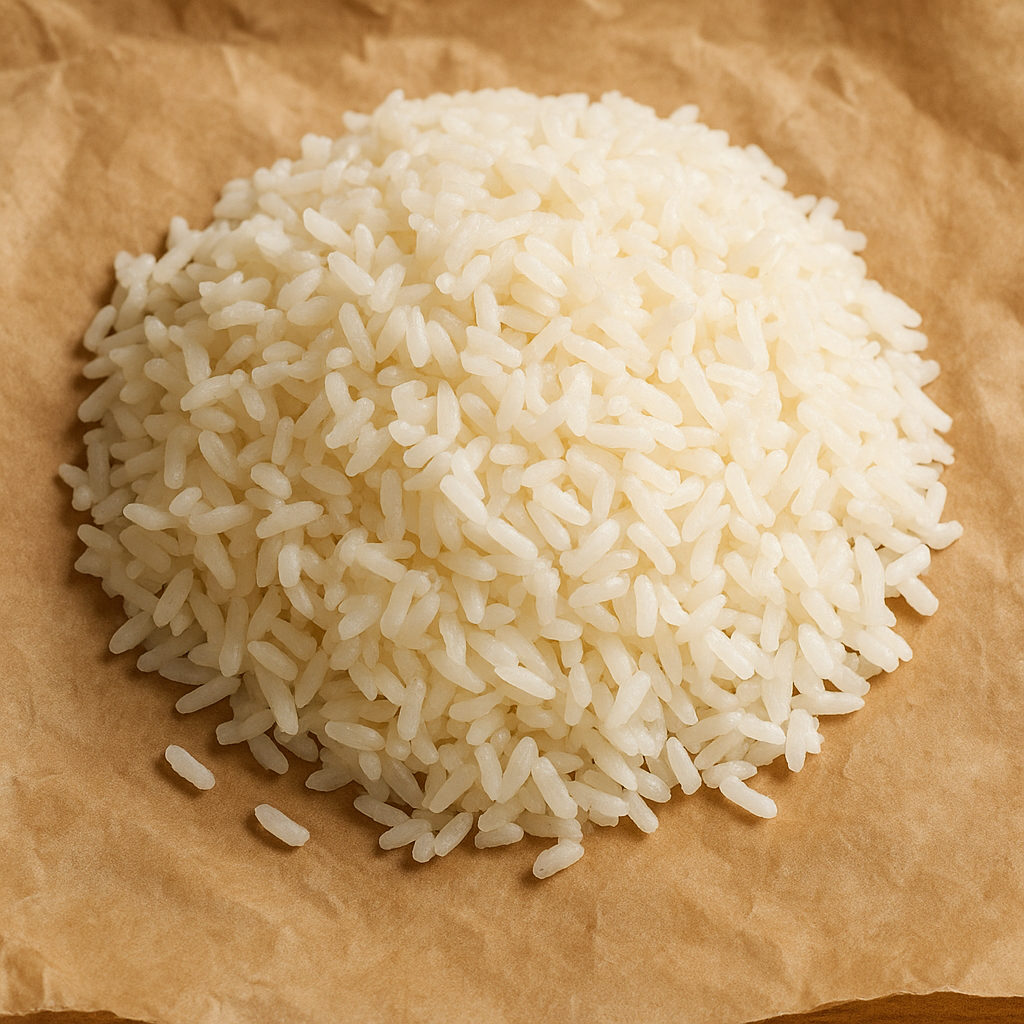
What it is
This is a type of long-grain rice that originates from Thailand. It is known for its distinct floral aroma, often compared to jasmine flowers, and its slightly sticky texture when cooked. The grains are slender and remain separate after cooking, providing a delicate mouthfeel. It is a staple in many Asian cuisines, prized for its subtle fragrance and ability to complement a wide range of dishes. This particular variety is carefully milled to preserve its quality and aroma.
How people cook with it
Jasmine rice is a versatile grain that serves as a foundation for countless meals.
- Side dish for curries
- Base for stir-fries
- Accompaniment to grilled meats
- Ingredient in rice bowls
To prepare, rinse the jasmine rice under cold running water until the water runs clear. This removes excess starch, which helps prevent the grains from clumping together. Combine the rinsed rice with water in a pot, typically a ratio of one part rice to one and a half parts water, though this can be adjusted. Bring the mixture to a boil, then reduce the heat to low, cover tightly, and simmer for about 15 to 20 minutes, or until all the water is absorbed. Let it steam, covered, for another 5 minutes off the heat before fluffing with a fork.
How it differs from similar foods
Compared to other long-grain rices like Basmati, jasmine rice is typically softer and more fragrant. While Basmati has a nuttier aroma, jasmine rice offers a more pronounced floral scent. Its texture is also slightly stickier than Basmati, making it ideal for dishes where a bit of cohesion is desired.
Who it is for
Home cooks and professional chefs alike choose jasmine rice for its aromatic qualities and pleasing texture.
How to keep the rest
Store any unused cooked jasmine rice in an airtight container in the refrigerator. It should be consumed within 3 to 4 days. For uncooked rice, keep it in a cool, dry place in its original packaging or an airtight container to maintain freshness and prevent moisture absorption.