
Kim Hong
Kim Hong White Glutinous Rice
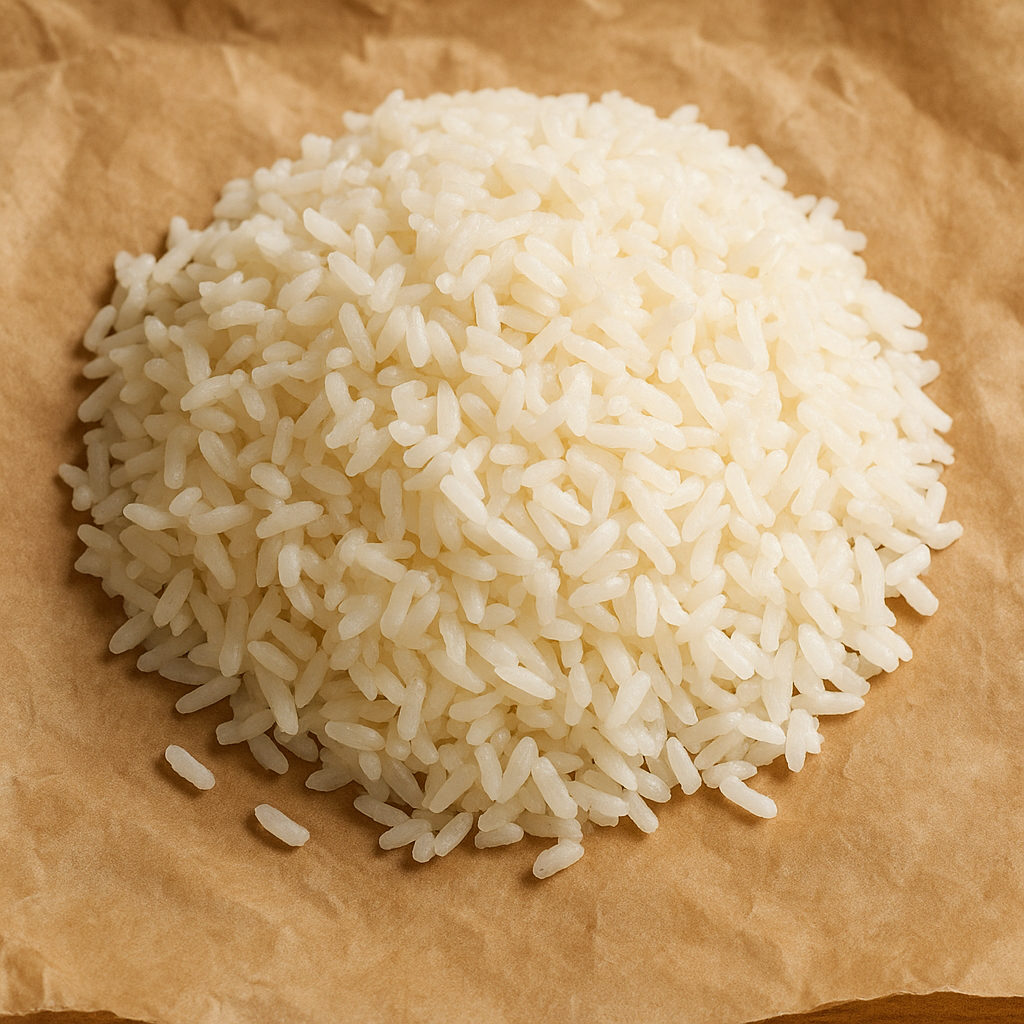
What it is
This is a type of short-grain rice that becomes sticky when cooked. It has a chewy texture and a mild, slightly sweet flavor. The grains are opaque and pearly white before cooking. It is a staple ingredient in many Asian cuisines, particularly for desserts and savory dishes that require a binding quality. The starch content is higher than regular rice, which contributes to its characteristic stickiness.
How people cook with it
Glutinous rice is a versatile ingredient used in both sweet and savory applications.
- Steamed sticky rice dishes
- Sweet rice puddings
- Savory rice dumplings
- Dessert bowls
Before cooking, it is important to rinse the glutinous rice thoroughly under cold water until the water runs clear. This removes excess starch and prevents the rice from becoming too gummy. For many preparations, the rice is soaked for several hours or overnight before steaming. Steaming is the traditional method, which allows the grains to cook evenly and develop their signature sticky texture. It can also be boiled, though steaming is preferred for optimal results. The cooked rice is pliable and can be molded.
How it differs from similar foods
Unlike regular white rice, glutinous rice has a much higher amylopectin content, which is the starch component responsible for its stickiness. This makes it unsuitable for dishes where individual, separate grains are desired, such as pilafs or fried rice.
Who it is for
Home cooks and professional chefs preparing traditional Asian dishes.
How to keep the rest
Store any unused cooked glutinous rice in an airtight container in the refrigerator. It is best consumed within a few days. For longer storage, it can be frozen in portions and reheated later.