
Grocery
Farm Fresh White Eggs
What it is
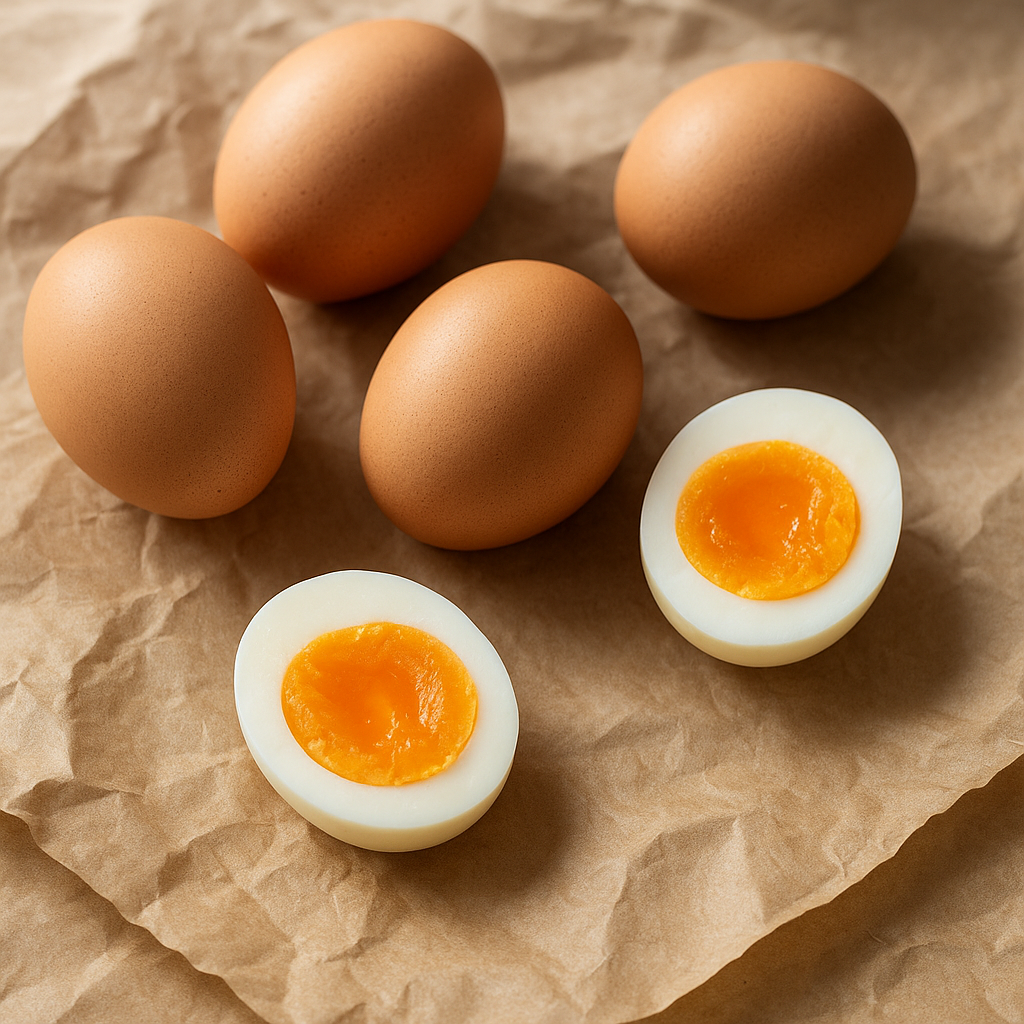
These are standard white eggs, a common staple in kitchens worldwide. They come from hens and are a versatile ingredient used in countless dishes. The shells are smooth and uniformly white, indicating the breed of hen that laid them. Inside, the yolk and white are contained within a protective membrane, ready for culinary use.
How people cook with it
Eggs are fundamental to many cooking techniques, acting as binders, leavening agents, and emulsifiers.
- Scrambled for breakfast
- Baked into cakes
- Fried for sandwiches
- Hard-boiled for snacks
Eggs can be prepared in numerous ways. For breakfast, they can be scrambled, fried, poached, or made into omelets. In baking, they are crucial for structure and richness, helping cakes rise and cookies spread. They also act as a binder in meatballs and meatloaf, and as an emulsifier in mayonnaise and hollandaise sauce. Their versatility makes them indispensable for both sweet and savory preparations, from simple custards to complex sauces.
How it differs from similar foods
White eggs come from specific breeds of hens, often Leghorns, and their shell color is a genetic trait. Brown eggs come from different breeds. The primary difference is the shell color, which can sometimes influence consumer perception or preference.
Who it is for
Home cooks and professional chefs rely on eggs for their fundamental role in cooking and baking.
How to keep the rest
To maintain freshness, store eggs in their original carton in the refrigerator. Keep them on an interior shelf, not in the door, as temperature fluctuations can affect quality. This method helps prevent them from absorbing odors and keeps them protected.