
Grocery
Sweet White Chocolate Bar
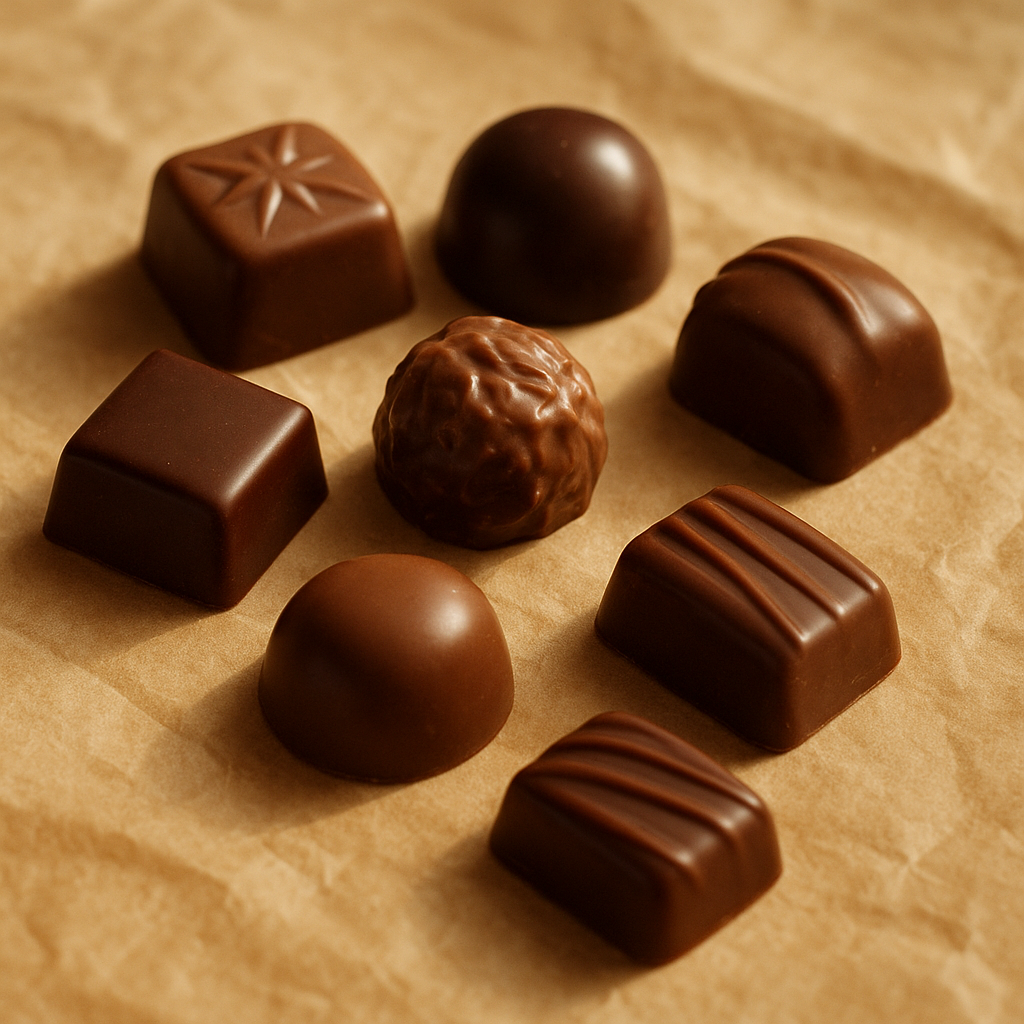
What it is
This is a confection made primarily from cocoa butter, sugar, and milk solids. Unlike dark or milk chocolate, it does not contain cocoa solids, which gives it a distinct pale color and a creamy, sweet flavor profile. The texture is smooth and melts pleasantly in the mouth, offering a rich, buttery taste that is less intense than other chocolate varieties. It is a popular choice for those who prefer a milder sweetness in their chocolate treats.
How people cook with it
White chocolate is a versatile ingredient used in both baking and as a standalone treat.
- Drizzled over cookies
- Melted for fondue
- Chopped into ice cream
- Eaten as a snack
When melting white chocolate, it is important to do so gently to avoid scorching, as it contains more milk solids and sugar than other types of chocolate. A double boiler or short bursts in the microwave are recommended. Once melted, it can be used as a coating for fruits, cookies, or pretzels. It can also be incorporated into batters for cakes and muffins, or stirred into ganaches for a sweet, creamy finish. Its delicate flavor pairs well with fruits and nuts.
How it differs from similar foods
White chocolate differs from milk and dark chocolate by its absence of cocoa solids. This means it lacks the characteristic bitterness and deep cocoa flavor found in those varieties. Its higher proportion of cocoa butter contributes to its smooth texture and sweet, milky taste, making it a distinct category of chocolate.
Who it is for
Home bakers and confectionary enthusiasts often use this in their sweet creations.
How to keep the rest
To maintain its quality, store any remaining white chocolate in an airtight container in a cool, dry place, away from direct sunlight and strong odors. Avoid refrigeration, as this can cause condensation and affect its texture. Properly stored, it will retain its best flavor and consistency for an extended period.