
Grocery
Classic White Baguette
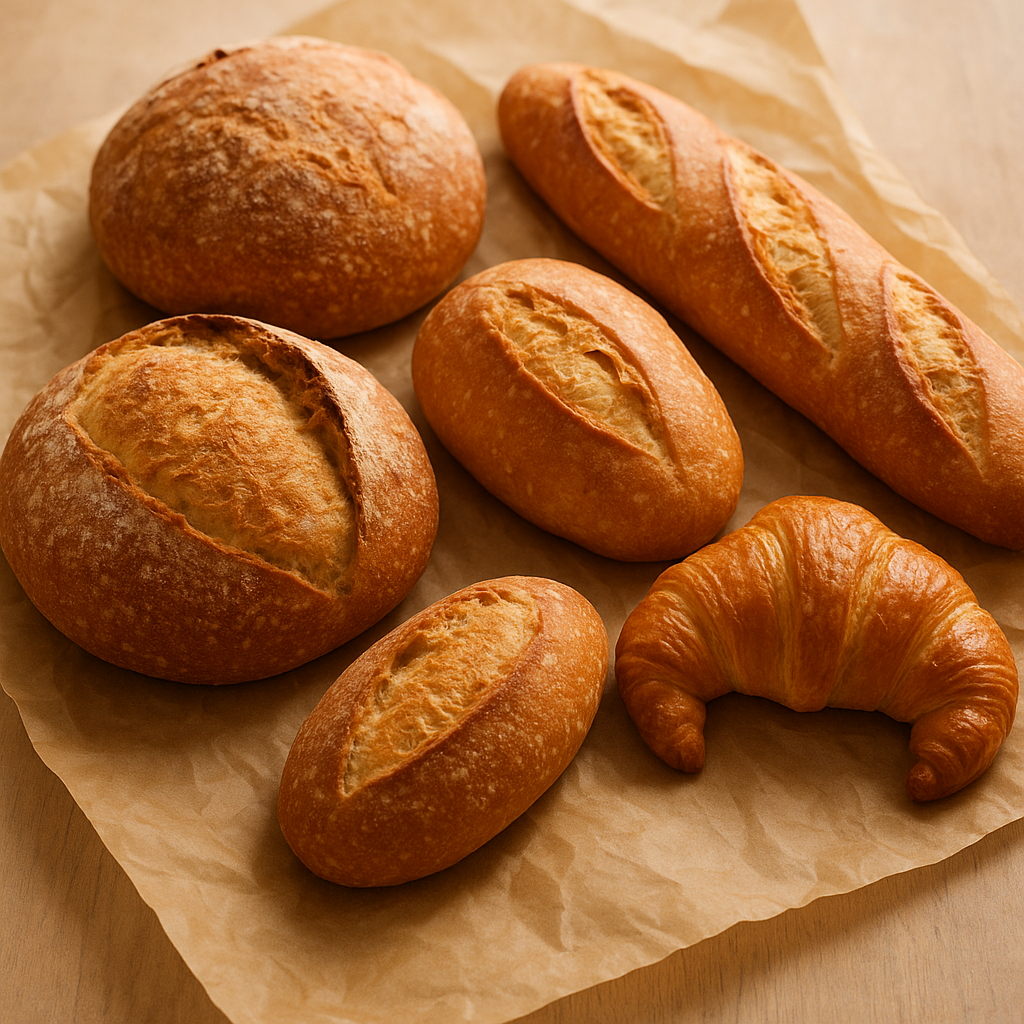
What it is
This is a long, thin loaf of French bread. It has a crisp, golden-brown crust and a soft, airy interior. The dough is typically made from wheat flour, water, yeast, and salt. It is baked at a high temperature, which contributes to its characteristic crust. The simple ingredients and traditional baking method result in a bread with a clean, mild flavor that complements many dishes. It is a staple in French cuisine and enjoyed worldwide.
How people cook with it
A baguette is incredibly versatile in the kitchen. It can be served alongside meals or transformed into various delicious dishes.
- Sandwich base
- Garlic bread
- Crouton ingredient
- Bread pudding component
To enjoy a fresh baguette, simply slice it and serve. It is excellent for making sandwiches, where its sturdy crust holds fillings well. For a warm treat, slice it, spread with butter or olive oil, and toast until golden. It can also be cubed and toasted to make croutons for salads and soups. Leftover baguette can be repurposed into bread pudding or French toast. The crust provides a satisfying crunch, while the inside is soft and chewy, making it adaptable to many preparations.
How it differs from similar foods
Compared to other breads, a baguette is distinguished by its elongated shape and very crisp crust. Its interior crumb is typically lighter and more open than that of a loaf bread. This texture and crust are achieved through specific shaping and high-heat baking, creating a distinct eating experience.
Who it is for
Home cooks and professional chefs alike use baguettes for their versatility and classic appeal.
How to keep the rest
To keep a baguette fresh, store it at room temperature in a paper bag or loosely wrapped in a kitchen towel. Avoid refrigerating it, as this can make the crust tough and the interior dry. For longer storage, slice the baguette and freeze it in an airtight bag; thaw and reheat in the oven.