
Grocery
Whey Powder
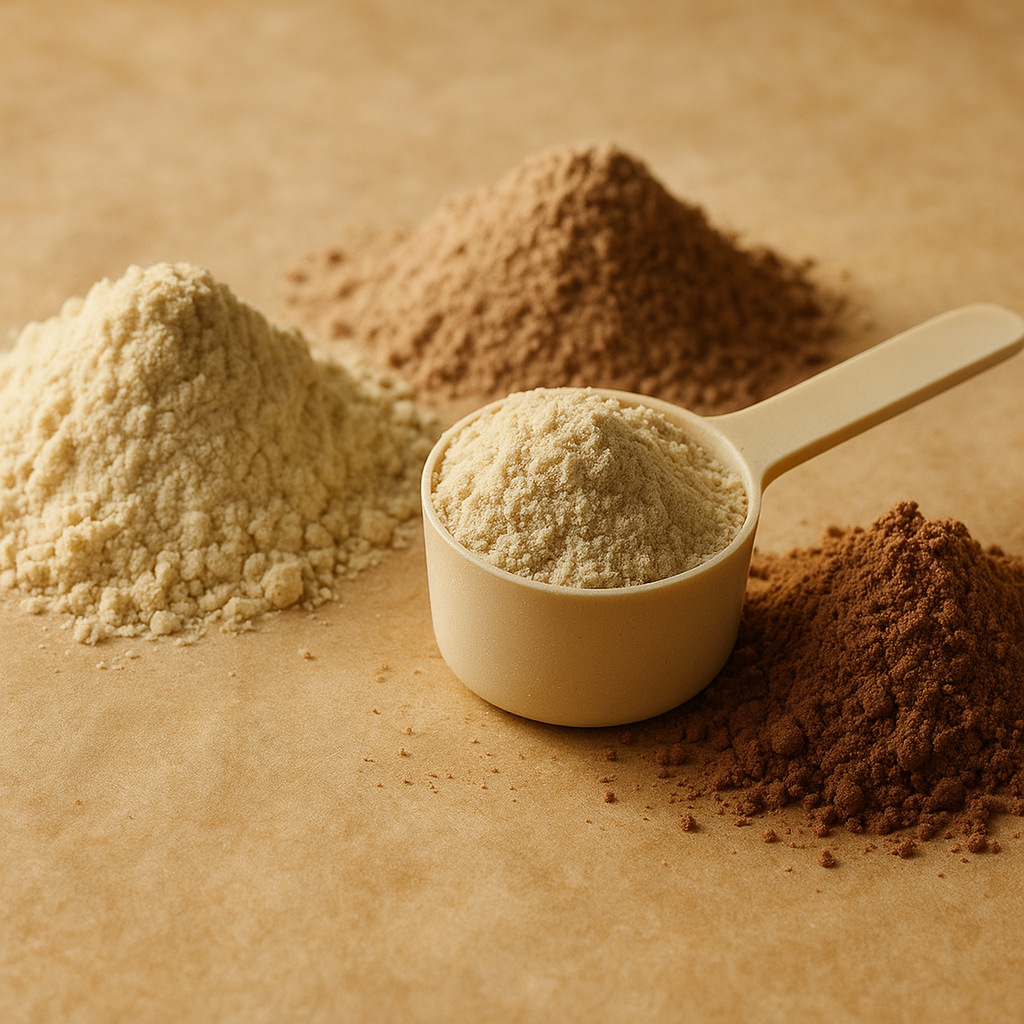
What it is
Whey is a byproduct of cheesemaking, specifically the liquid that separates from the curds. This liquid is then processed and dried into a powder. It is a common ingredient used in various food products and supplements. The powder form makes it convenient for storage and incorporation into different recipes. It is a versatile ingredient that can be found in many kitchens.
How people cook with it
Whey powder is often added to baked goods and beverages to enhance their texture and composition. It can also be used in savory dishes.
- Added to smoothies
- Mixed into pancake batter
- Incorporated into baked goods
When incorporating whey powder into recipes, it is important to consider its solubility. It mixes best with liquids, so adding it to wet ingredients first can help prevent clumping. For baked goods, it can be sifted with dry ingredients to ensure even distribution. In beverages, whisking or blending is recommended for a smooth consistency. It can also be used as a binder in certain preparations. Adjusting the amount used will affect the final texture and flavor of the dish.
How it differs from similar foods
Compared to other milk-derived powders, whey powder has a distinct flavor profile and solubility. Its fine texture allows it to dissolve readily in liquids, making it ideal for beverages. Other milk powders might have a different texture or require more vigorous mixing.
Who it is for
Home cooks and bakers often use whey powder to modify the texture and composition of their creations.
How to keep the rest
To maintain its quality, store the whey powder in a cool, dry place, away from direct sunlight. Ensure the container is tightly sealed after each use to prevent moisture absorption, which can lead to clumping and affect its usability. Proper storage will help preserve its intended properties for future use.