
Grocery
Coarse Wheat Flour for Baking and Cooking
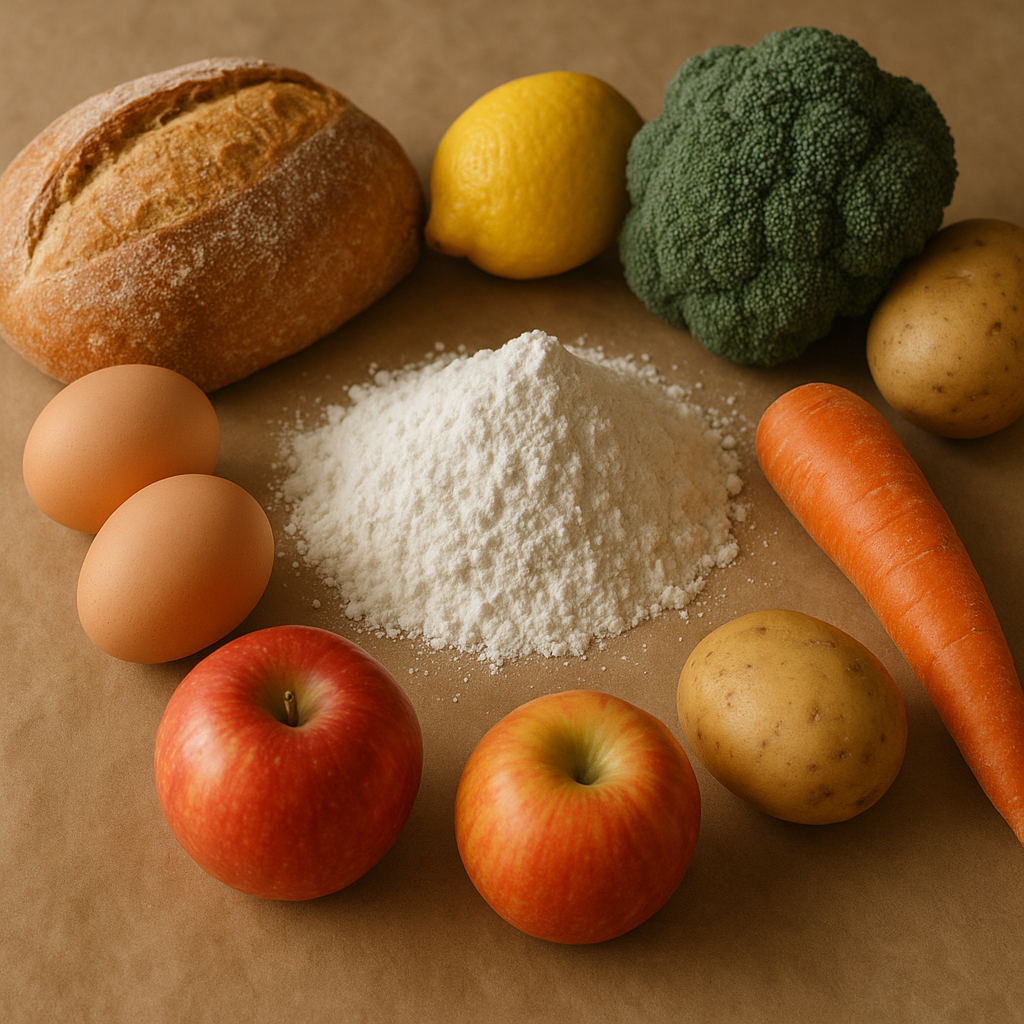
What it is
This is a coarsely ground flour made from the endosperm of durum wheat. It has a granular texture, larger than regular flour but finer than whole wheat berries. It is a staple ingredient in many cuisines, particularly for pasta and certain types of bread.
How people cook with it
Semolina is a versatile ingredient used in both sweet and savory dishes. Its unique texture adds body and structure to a variety of preparations.
- Making pasta dough
- Thickening soups and stews
- Creating traditional desserts
- Coating fried foods
When making pasta from scratch, semolina is often combined with water or eggs. It can also be cooked with liquid to create a creamy porridge, similar to grits or polenta, which can be served sweet or savory. For baking, it can be incorporated into bread doughs to add a chewy texture and a slightly nutty flavor. It is also excellent for dusting baking surfaces, preventing sticking and adding a subtle crunch to the bottom of baked goods.
How it differs from similar foods
Unlike finely milled all-purpose flour, semolina retains more of the wheat kernel's structure, resulting in a coarser grain. This texture is key to its ability to hold its shape when cooked, making it ideal for pasta that doesn't become mushy. It also has a distinct golden hue.
Who it is for
Home cooks and professional chefs alike use semolina for its distinct textural qualities and traditional applications.
How to keep the rest
To maintain freshness, store the semolina in an airtight container in a cool, dry place. This will prevent it from absorbing moisture and becoming stale. Proper storage ensures its granular texture and flavor are preserved for future use.