
Grocery
West Scottish Lamb Shoulder Roast
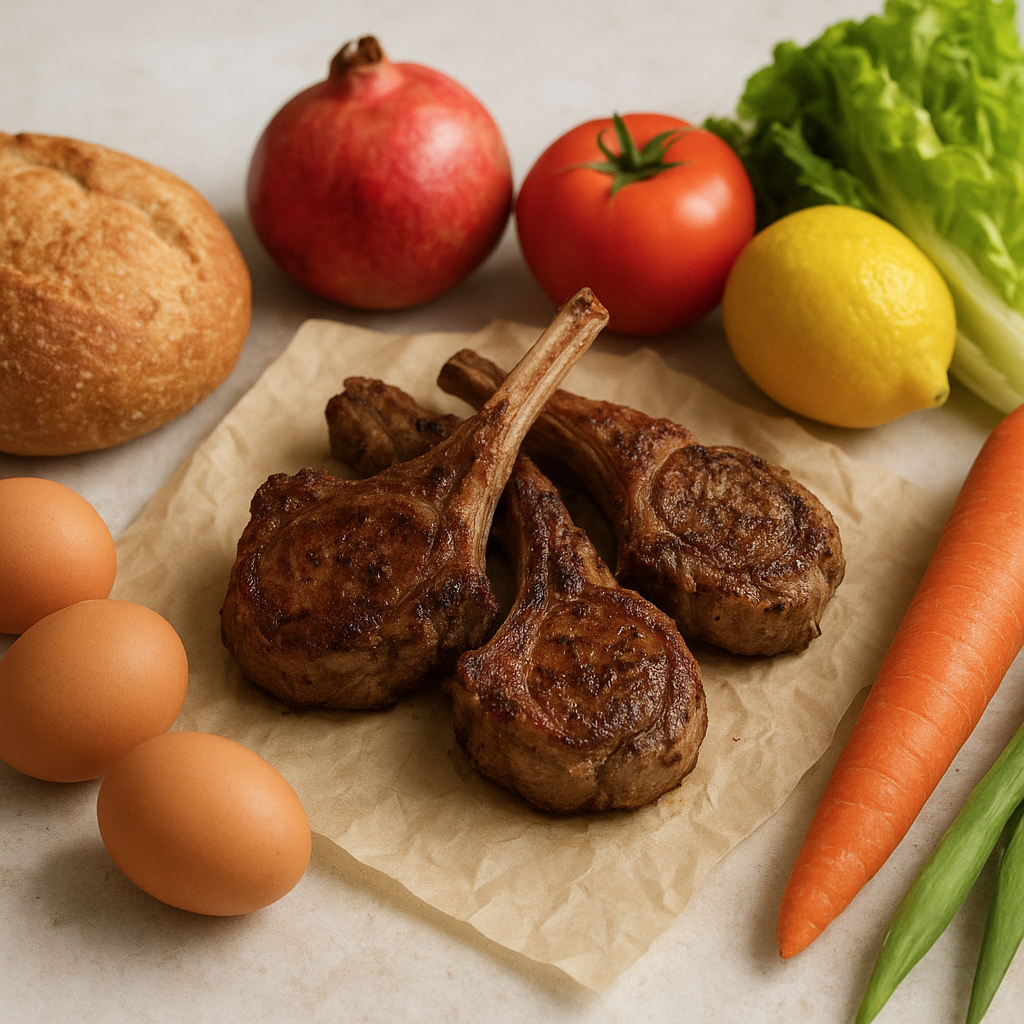
What it is
This is a cut of lamb sourced from the shoulder of the animal. It is known for its rich flavor and good marbling, which contributes to its tenderness when cooked properly. The shoulder cut is versatile and can be prepared in various ways, making it a popular choice for home cooks and professional chefs alike. It typically contains a good amount of connective tissue that breaks down during slow cooking, resulting in succulent meat.
How people cook with it
Lamb shoulder is excellent for slow-cooking methods that allow its flavor to develop and its texture to become tender. It can also be used for braising or roasting.
- Slow-cooked for tender results
- Braised with aromatics
- Roasted for a Sunday meal
- Pulled for sandwiches
To prepare a lamb shoulder roast, begin by seasoning it generously with salt, pepper, and your favorite herbs like rosemary or thyme. You can sear the roast in a hot pan to develop a flavorful crust before transferring it to a roasting dish. Add liquid to the dish, such as broth or wine, and cover it tightly. Cook in a moderate oven for several hours until the meat is fork-tender and easily pulls away from the bone. This slow cooking process is key to unlocking the best texture and taste.
How it differs from similar foods
Compared to lamb leg, lamb shoulder has more fat and connective tissue. This makes it less suitable for quick cooking methods like grilling or pan-frying. However, these same characteristics allow it to become exceptionally moist and flavorful when cooked slowly, yielding a richer taste and a more yielding texture.
Who it is for
Home cooks looking for a flavorful and forgiving cut of lamb for special occasions or comforting meals.
How to keep the rest
After cooking, allow any leftover lamb shoulder to cool completely before storing it in an airtight container in the refrigerator. It can be kept for up to three days. For longer storage, wrap it tightly and freeze it for up to three months. Reheat gently to preserve its moisture.