
Grocery
Traditional Bavarian White Sausage
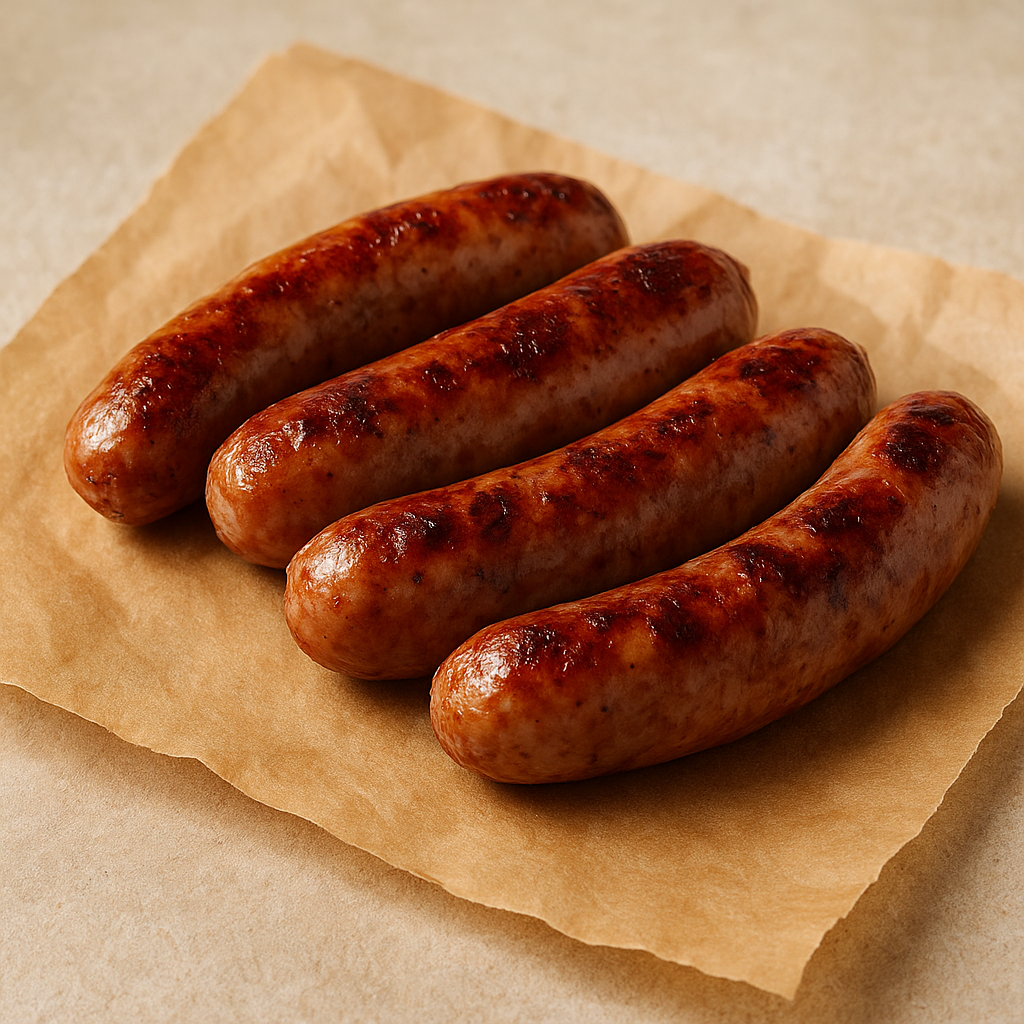
What it is
Weisswurst is a finely ground, pale sausage originating from Bavaria, Germany. It is traditionally made from veal and pork, seasoned with parsley, lemon, onion, and mace. The sausage casing is typically made from lamb or pork intestine. Unlike many other sausages, Weisswurst is not smoked and has a delicate flavor profile. It is a staple of Bavarian cuisine and is often enjoyed as a special breakfast or brunch dish.
How people cook with it
This sausage is typically heated gently and served with specific accompaniments.
- Boiled for breakfast
- Served with sweet mustard
- Paired with pretzels
- Enjoyed with a wheat beer
Weisswurst is traditionally prepared by simmering it gently in hot, but not boiling, water for about ten minutes. It should never be boiled vigorously, as this can cause the casing to split and the sausage to lose its delicate texture. Once heated, the casings are usually removed before eating, although some people prefer to eat them. It is typically served with sweet Bavarian mustard, a fresh pretzel, and a glass of wheat beer. This combination is considered a classic Bavarian experience.
How it differs from similar foods
Unlike many other sausages that are grilled, fried, or smoked, Weisswurst is primarily heated through simmering. Its pale color and finely emulsified texture also set it apart from coarser, darker sausages. The flavor is more subtle and less intensely seasoned than many cured varieties.
Who it is for
Home cooks looking to recreate authentic Bavarian dishes will appreciate this sausage.
How to keep the rest
Refrigerate any unused Weisswurst promptly. It is best consumed within a few days of purchase. Ensure it is kept well-wrapped to maintain freshness and prevent drying out. For longer storage, it can be frozen, though the texture may change slightly upon thawing.