
Weis, Weis Markets Inc.
Weis Organics Grade A Large Eggs
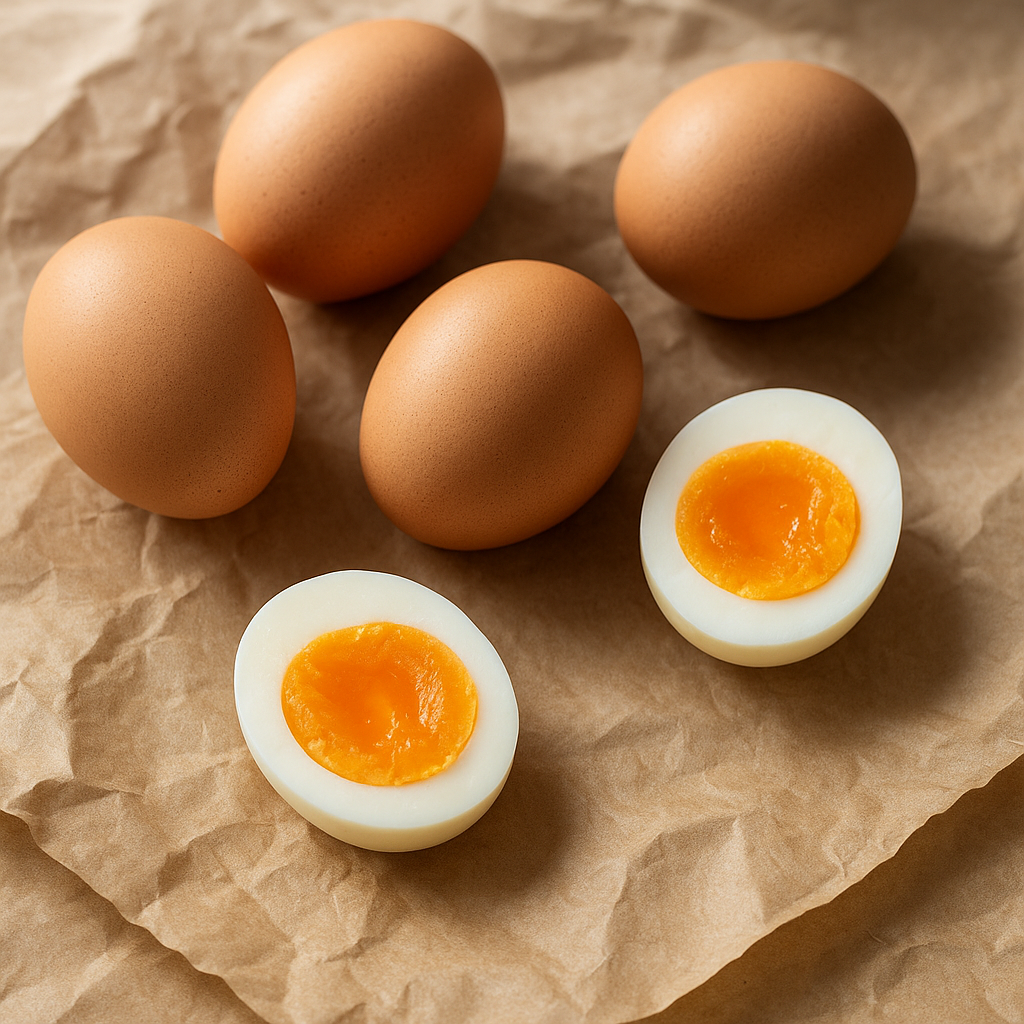
What it is
These are large eggs produced under organic farming standards. The hens are raised without the use of antibiotics or synthetic growth hormones. The eggs are classified as Grade A, indicating they meet specific quality standards for shell integrity, yolk shape, and albumen consistency. They come from hens that have access to the outdoors and are fed an organic diet.
How people cook with it
Eggs are a versatile ingredient in many kitchens. They can be the star of a meal or a supporting player in baked goods and sauces.
- Scrambled for breakfast
- Fried for sandwiches
- Baked into cakes
- Whisked into sauces
For simple preparations, eggs can be fried, scrambled, or poached. They are essential for baking, where they provide structure, leavening, and richness to cakes, cookies, and breads. In savory dishes, they can bind ingredients in meatballs or meatloaf, or be used to create custards and quiches. The yolks can be emulsified into sauces like hollandaise or mayonnaise, while the whites can be whipped to add airiness to meringues or mousses. Their adaptability makes them a staple for both quick meals and elaborate culinary projects.
How it differs from similar foods
Organic eggs differ from conventional eggs primarily in the feed and living conditions of the hens. Organic hens are fed certified organic feed, free from synthetic pesticides and fertilizers. They are also required to have outdoor access, which is not a standard requirement for all conventional egg production.
Who it is for
Home cooks and professional chefs who prioritize organic ingredients often choose these eggs.
How to keep the rest
To maintain freshness, store the remaining eggs in their original carton in the refrigerator. Keep them on a shelf rather than the door to ensure a consistent, cold temperature. Consume them within the recommended timeframe for best quality.