
Grocery
Whole Walnut Halves
What it is
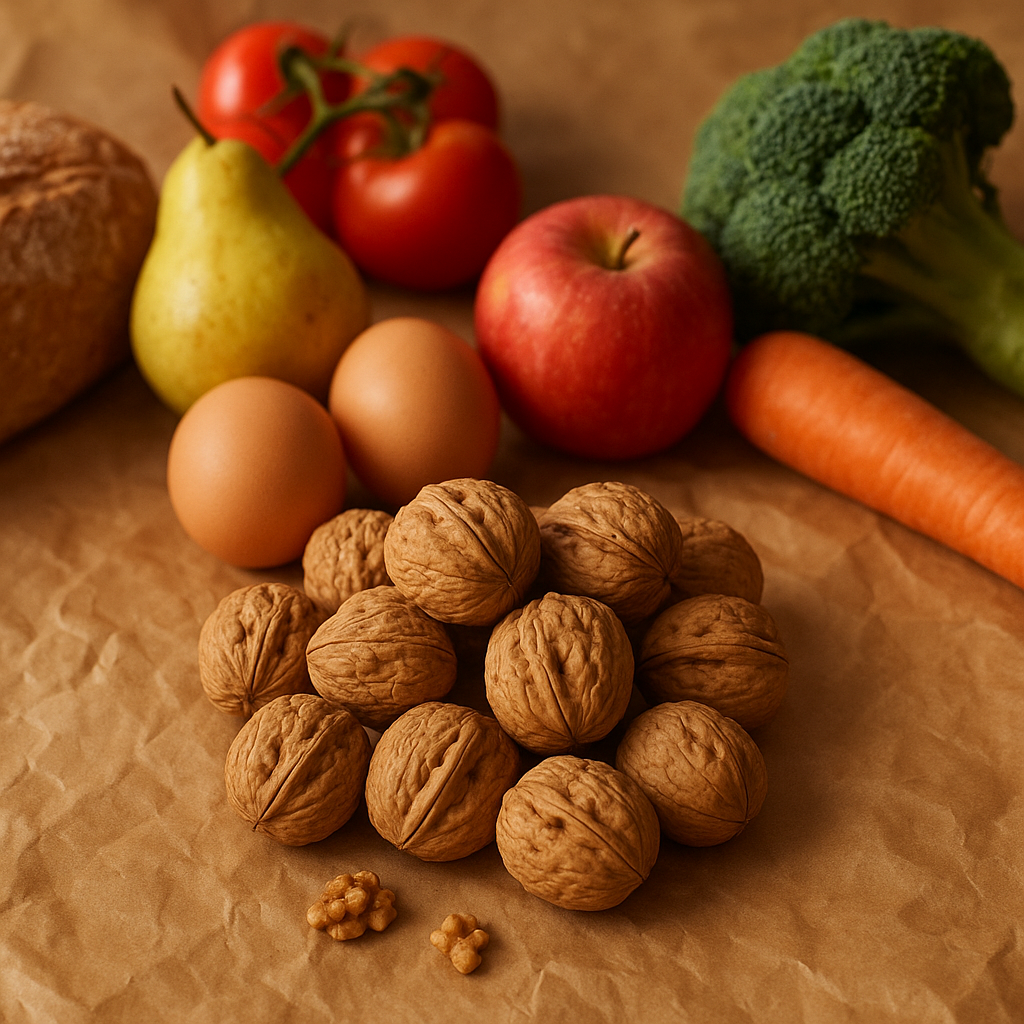
These are the natural halves of walnuts, a popular tree nut known for its distinct shape and rich flavor. They are typically sold shelled, making them convenient for immediate use in various culinary applications. The nuts are carefully processed to retain their texture and taste. They offer a satisfying crunch and a slightly bitter, earthy profile that complements both sweet and savory dishes. Their versatility makes them a pantry staple for many home cooks.
How people cook with it
Walnuts are a versatile ingredient, enjoyed both raw and cooked. They add texture and depth to a wide range of recipes.
- Topping for salads
- Ingredient in baked goods
- Snack on their own
- Added to pasta dishes
Walnut halves can be used whole, roughly chopped, or finely ground depending on the desired texture in your dish. Toasting them lightly in a dry skillet or in the oven before use can enhance their flavor and aroma, bringing out a deeper, nuttier taste. They are excellent sprinkled over green salads, stirred into oatmeal, or incorporated into muffin and bread batters. For savory dishes, consider adding them to pesto, stuffing, or grain bowls. Their natural oils release when heated, contributing richness to sauces and roasts.
How it differs from similar foods
Compared to chopped walnuts, halves offer a more visually appealing presentation in certain dishes, like on top of a cake or salad. Their whole form also means they retain more of their natural oils until broken down during cooking or chewing, potentially leading to a slightly different mouthfeel.
Who it is for
Home cooks and bakers who enjoy adding natural, flavorful ingredients to their meals and desserts.
How to keep the rest
To maintain freshness, store any unused walnut halves in an airtight container in a cool, dark place, such as a pantry. For longer storage, refrigeration is recommended to prevent them from becoming rancid. Ensure the container is well-sealed to protect them from moisture and odors.