
H‑E‑B
H‑E‑B Walnut Halves & Pieces
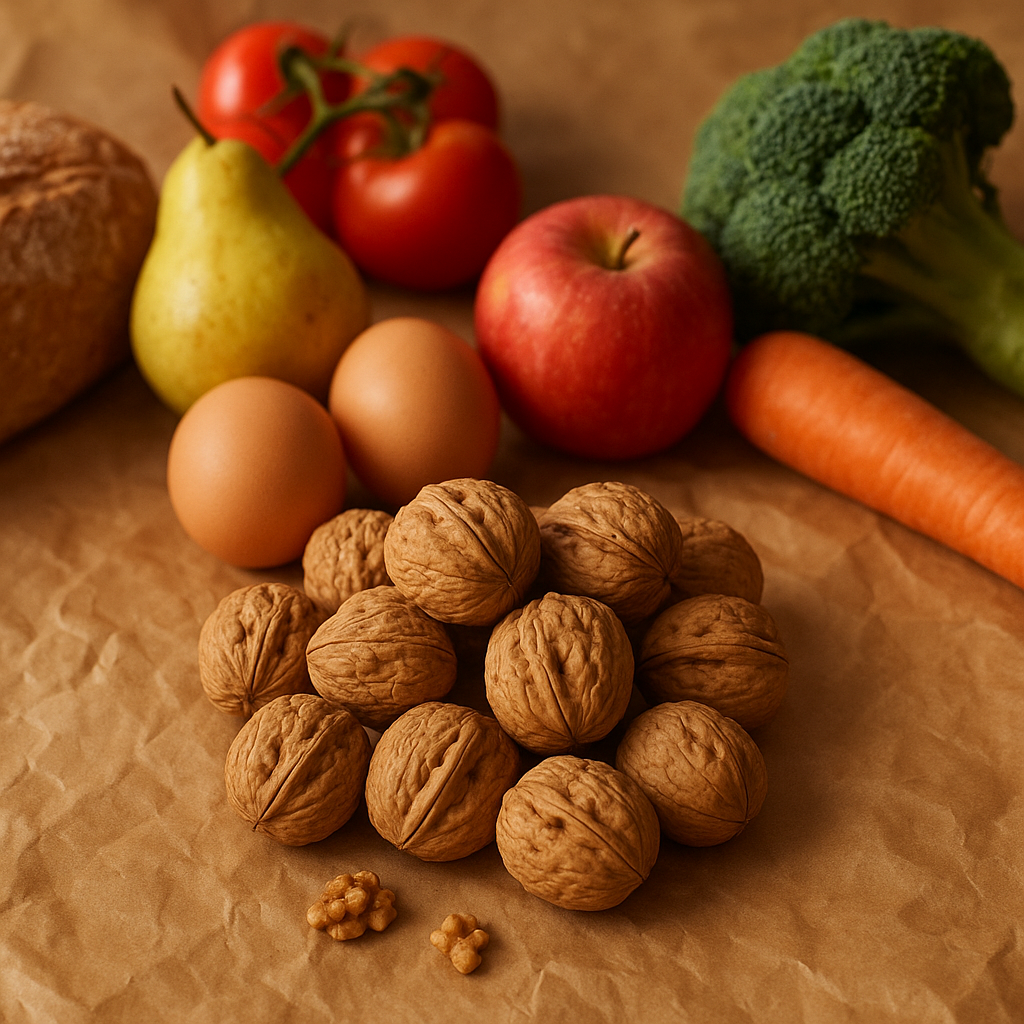
What it is
These are the edible seeds of the walnut tree, presented as broken pieces and halves. They have a rich, slightly bitter flavor and a firm texture. Walnuts are a popular choice for baking and snacking, offering a satisfying crunch. Their natural oils contribute to their distinct taste and mouthfeel. This product is ready to be used in various culinary applications.
How people cook with it
Walnuts are incredibly versatile in the kitchen. They can be enjoyed on their own or incorporated into a wide array of dishes.
- Topping for yogurt
- Ingredient in baked goods
- Added to salads
- Snack on their own
You can toast walnuts to enhance their flavor and crispness. Spread them in a single layer on a baking sheet and bake at 350°F (175°C) for 8-10 minutes, watching carefully to prevent burning. They can be chopped and added to cookie dough, muffin batter, or bread recipes. For savory dishes, they pair well with roasted vegetables or can be a component of a cheese board. Their natural oils release when heated, adding depth to sauces and pestos.
How it differs from similar foods
Compared to other nuts, walnuts have a distinctively earthy and slightly bitter profile. Their texture is generally softer than almonds but firmer than pecans. The higher oil content in walnuts contributes to a richer mouthfeel and a more pronounced flavor when toasted.
Who it is for
Home cooks and bakers who enjoy adding nutty flavors and textures to their creations will find these walnuts useful.
How to keep the rest
To maintain freshness, store any unused walnuts in an airtight container in a cool, dry place. For longer storage, they can be kept in the refrigerator or freezer. This helps to prevent them from becoming rancid and preserves their flavor and texture.