
Mount Mayon
Mount Mayon Volcanic Pili Nuts
What it is
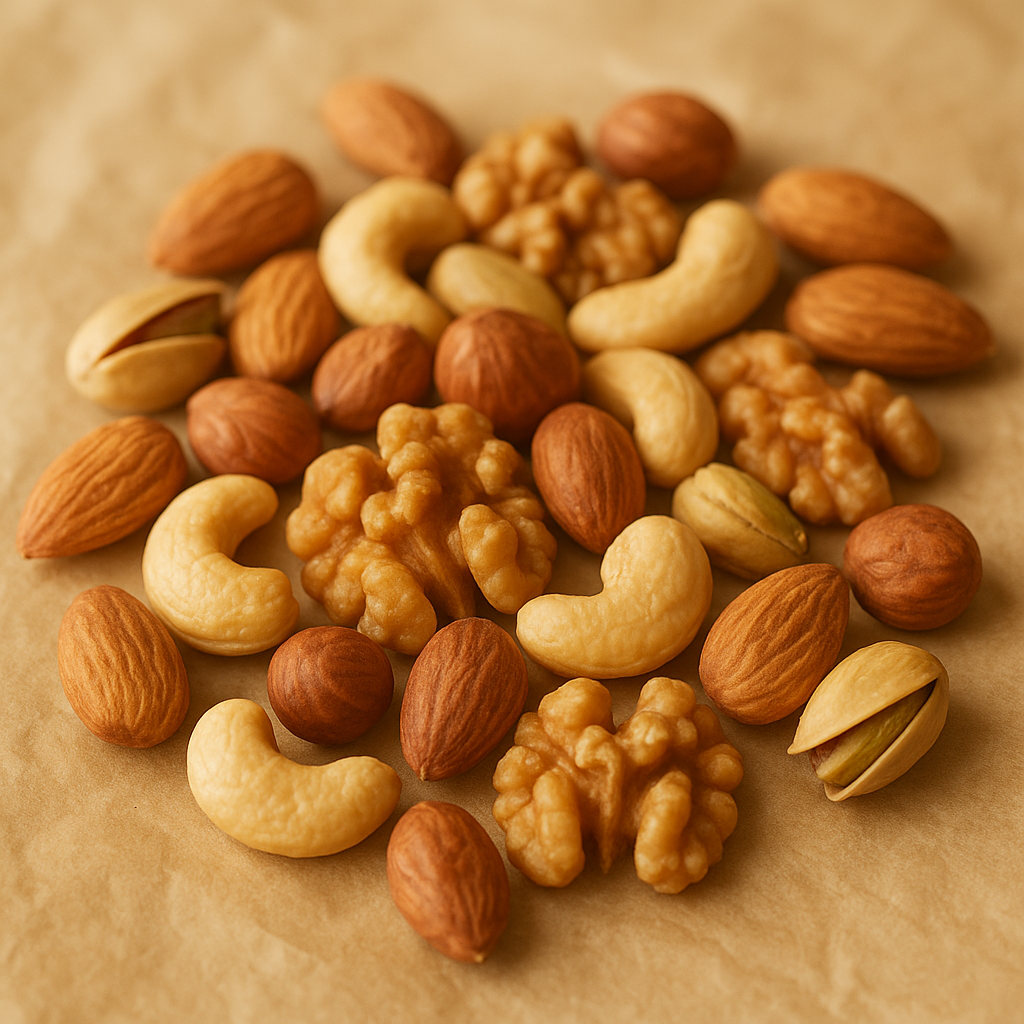
These are pili nuts, a type of edible nut native to the Philippines. They are harvested from the pili tree, which thrives in volcanic soil. The nuts are known for their rich, buttery flavor and creamy texture. They are typically roasted or blanched before being packaged for consumption. This particular offering comes from Mount Mayon, a well-known volcano in the Philippines, suggesting the nuts are grown in that region.
How people cook with it
Pili nuts can be enjoyed as a snack or incorporated into various dishes. Their unique flavor profile makes them a versatile ingredient.
- Snack on them straight from the bag.
- Add to trail mixes.
- Incorporate into baked goods.
- Use as a topping for salads.
Pili nuts are ready to eat as is. For a different texture, they can be lightly toasted in a dry pan over medium heat for a few minutes until fragrant. Be careful not to burn them. They can also be chopped and added to cookie dough, muffin batter, or bread recipes. Their natural richness means they can sometimes substitute for other nuts or seeds in recipes, offering a distinct taste and mouthfeel. They are also delicious when blended into sauces or dips for added creaminess.
How it differs from similar foods
Compared to almonds or walnuts, pili nuts have a softer, more buttery texture and a milder, less bitter flavor. Their creamy consistency is a key characteristic that sets them apart from many other common nuts.
Who it is for
Home cooks and snack enthusiasts looking for a unique and satisfying nut.
How to keep the rest
Once opened, store any remaining pili nuts in an airtight container in a cool, dry place. This will help maintain their freshness and prevent them from becoming stale. For longer storage, they can be kept in the refrigerator.