
Grocery
Virginia Brand Cured Ham
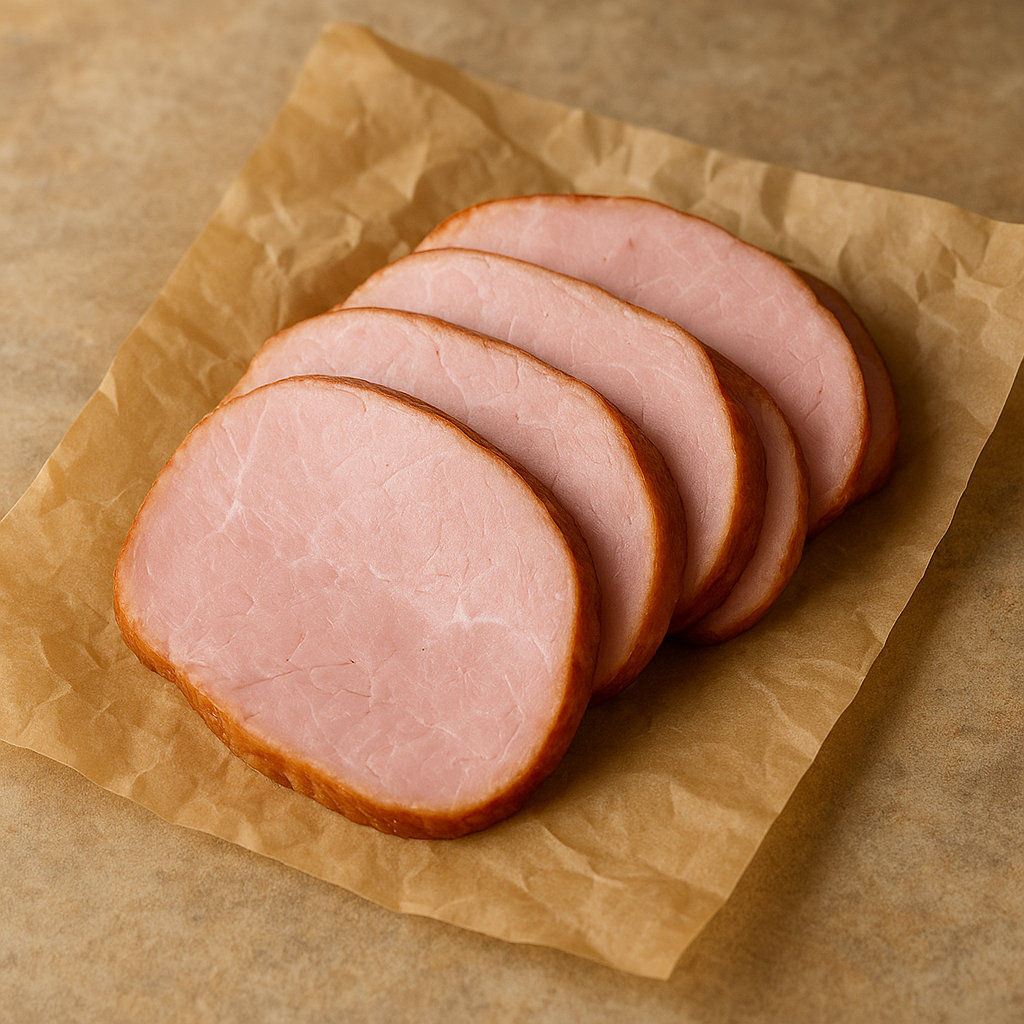
What it is
This is a whole, cured ham, typically from the hind leg of a hog. It has undergone a process of salting and aging, which preserves the meat and develops a distinct, savory flavor. The curing process results in a firm texture and a rich, deep taste that is characteristic of this type of ham. It is a traditional product often associated with specific regional culinary styles.
How people cook with it
Cured ham can be enjoyed in many ways, from simple slicing to more involved cooking methods.
- Sliced for sandwiches
- Diced for breakfast dishes
- Baked as a centerpiece
- Added to soups and stews
Before cooking, it is often recommended to soak the ham to remove excess salt, especially if it has a very pronounced cure. The ham can then be baked, often with a glaze made from ingredients like brown sugar, mustard, or fruit juices, to enhance its flavor and create a beautiful caramelized exterior. Alternatively, it can be pan-fried or grilled for quicker meals. The rendered fat from cooking can also be saved and used to add flavor to other dishes. It is versatile enough for both casual meals and special occasions.
How it differs from similar foods
Compared to fresh ham, cured ham has a much longer shelf life due to the preservation process. Its flavor is more intense and complex, with a distinct saltiness and depth that fresh ham lacks. The texture is also firmer and more dense than uncooked fresh pork.
Who it is for
Home cooks and professional chefs prepare this ham for a variety of meals.
How to keep the rest
Once opened or if the ham is partially consumed, it should be tightly wrapped in plastic wrap or aluminum foil, or placed in an airtight container. Refrigeration is essential to maintain its quality and prevent spoilage. It is best to consume the remaining portion within a few days for optimal flavor and safety.