
Grocery
Classic Vinaigrette Dressing
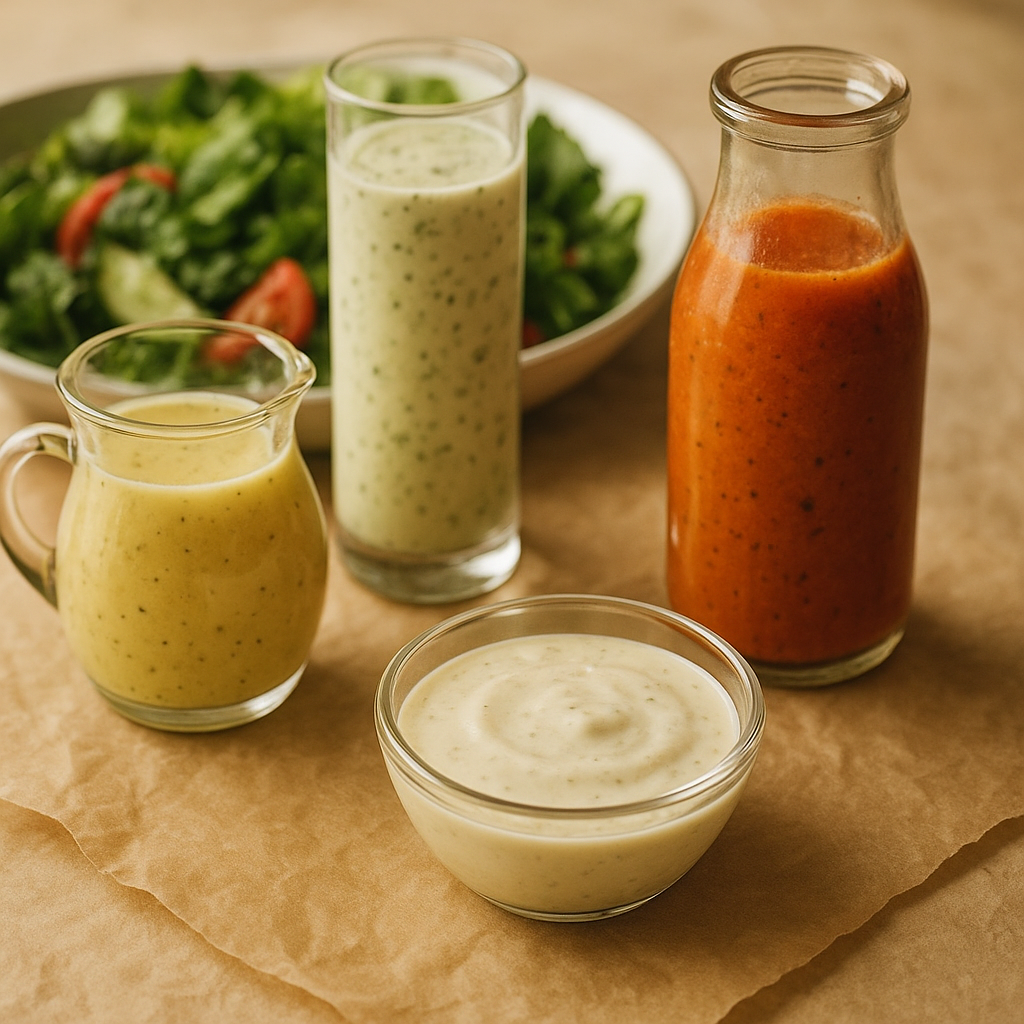
What it is
This is a simple vinaigrette dressing, a foundational element in many cuisines. It is typically made from a blend of oil and vinegar, often with added seasonings. The ratio of oil to vinegar can vary, influencing the overall flavor and texture. This particular dressing offers a straightforward taste profile, making it versatile for a wide range of culinary applications. It provides a tangy and slightly acidic counterpoint to richer flavors.
How people cook with it
Vinaigrette is a versatile dressing that can elevate simple dishes. It is a staple for preparing fresh salads and can also be used to marinate ingredients.
- Tossing green salads
- Marinating chicken or fish
- Drizzling over roasted vegetables
- As a base for other dressings
To use this vinaigrette, simply shake the bottle well before opening to ensure the oil and vinegar are properly combined. For salads, drizzle it over your greens and other ingredients, tossing gently to coat. It can also be used as a marinade for meats, poultry, or fish, allowing the flavors to penetrate before cooking. For roasted vegetables, a light coating before or after roasting adds a bright, zesty finish. It serves as an excellent base if you wish to add herbs, spices, or other flavorings.
How it differs from similar foods
Compared to creamy dressings, vinaigrettes are generally lighter and less dense due to their oil and vinegar base. This specific vinaigrette offers a clean, bright acidity that is less complex than some herb-infused or Dijon mustard varieties. Its simplicity allows the flavors of the ingredients it accompanies to shine through.
Who it is for
Home cooks and professional chefs alike use vinaigrette to add flavor and moisture to their dishes.
How to keep the rest
After opening, keep the vinaigrette refrigerated to maintain its freshness and prevent spoilage. Ensure the cap is tightly sealed to preserve the flavor and aroma. It is best to consume the dressing within a reasonable timeframe after opening to enjoy its optimal taste.