
U
Organic Balsamic Vinegar
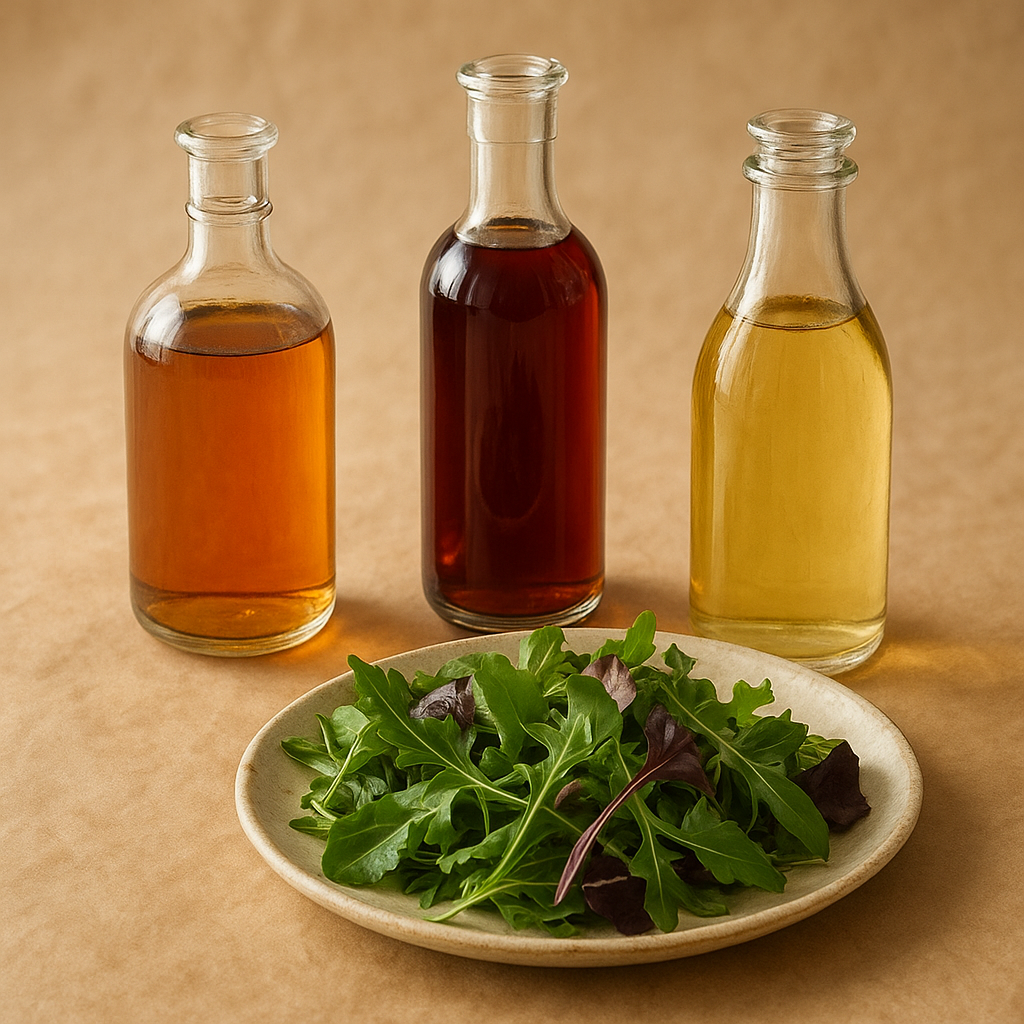
What it is
This is a type of vinegar that originates from the city of Modena in Italy. It is made from grape must, which is the unfermented juice of grapes. The vinegar is aged for a significant period, often in wooden barrels. This aging process contributes to its complex flavor profile and dark, syrupy consistency. It is a staple in many kitchens for its distinct taste and versatility.
How people cook with it
Balsamic vinegar is a popular ingredient used to add depth and a touch of sweetness to a wide range of dishes. Its unique flavor makes it a versatile condiment.
- Dressing for salads
- Marinade for meats
- Glaze for vegetables
- Finishing drizzle for cooked dishes
Balsamic vinegar can be used in many ways. It is excellent when whisked with olive oil to create a classic vinaigrette for green salads. It can also be reduced to a thicker glaze, which is wonderful for drizzling over roasted meats, poultry, or vegetables like Brussels sprouts and asparagus. A small amount can be added to sauces or stews to enhance their flavor complexity. It is also sometimes used in desserts, particularly with strawberries or ice cream, for a sweet and tangy contrast.
How it differs from similar foods
Compared to common wine vinegars, balsamic vinegar has a sweeter, richer, and more complex flavor. Its texture is typically thicker and more syrupy, especially after aging. This depth of flavor comes from the prolonged aging process and the specific type of grape used.
Who it is for
Home cooks and professional chefs alike appreciate balsamic vinegar for its ability to elevate everyday meals.
How to keep the rest
After opening, it is best to store balsamic vinegar in a cool, dark place, such as a pantry. Ensure the bottle is tightly sealed to preserve its flavor and aroma. It does not require refrigeration. Over time, its flavor may become more concentrated.