
U
U Balsamic Vinegar
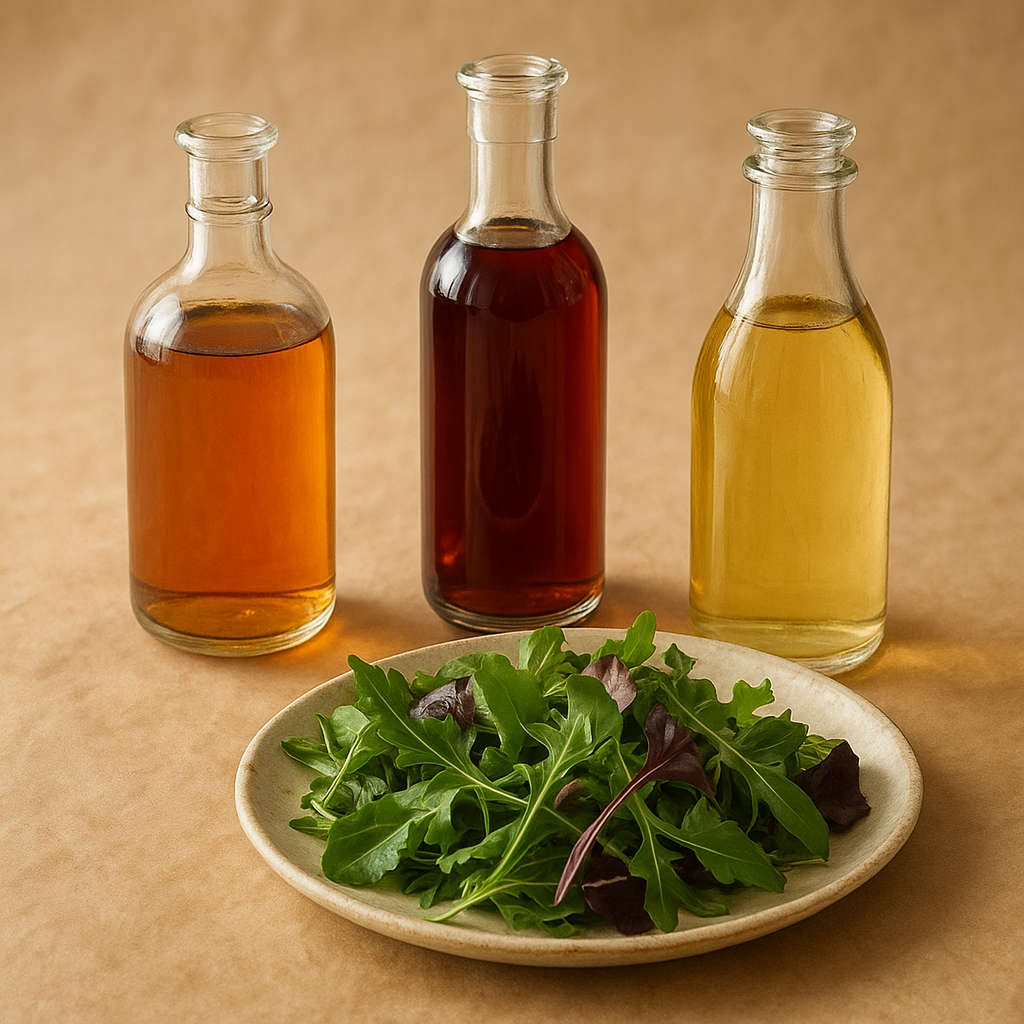
What it is
This is a type of vinegar made from grape must, which is the unfermented juice of grapes. It is aged for a period of time, which contributes to its complex flavor and dark color. The aging process allows the flavors to deepen and meld together, creating a rich and slightly sweet profile. It is a versatile condiment used in many culinary applications.
How people cook with it
Balsamic vinegar adds a distinctive sweet and tangy note to a wide range of dishes. It can be used both in cooking and as a finishing element.
- Dressing for salads
- Marinade for meats
- Glaze for roasted vegetables
- Drizzle over cheese
Balsamic vinegar is often used in salad dressings, typically combined with olive oil, salt, and pepper. It can also be reduced to a thicker glaze, which is excellent for drizzling over grilled meats, roasted vegetables, or even strawberries. In marinades, it tenderizes and infuses food with its characteristic flavor. A small amount can also enhance the taste of soups and stews, adding a subtle depth. It is a finishing touch that can elevate simple dishes.
How it differs from similar foods
Compared to red wine vinegar or apple cider vinegar, balsamic vinegar has a sweeter and more complex flavor profile due to its grape-based origin and aging process. It is less acidic and has a syrupy consistency when reduced, unlike the thinner, sharper vinegars.
Who it is for
Home cooks and professional chefs alike use balsamic vinegar to add a sophisticated flavor to their creations.
How to keep the rest
To maintain its quality, store balsamic vinegar in a cool, dark place away from direct sunlight. Ensure the bottle is tightly sealed after each use. It does not require refrigeration. Over time, it may thicken slightly, which is a natural characteristic.