
Grocery
Balsamic Vinegar
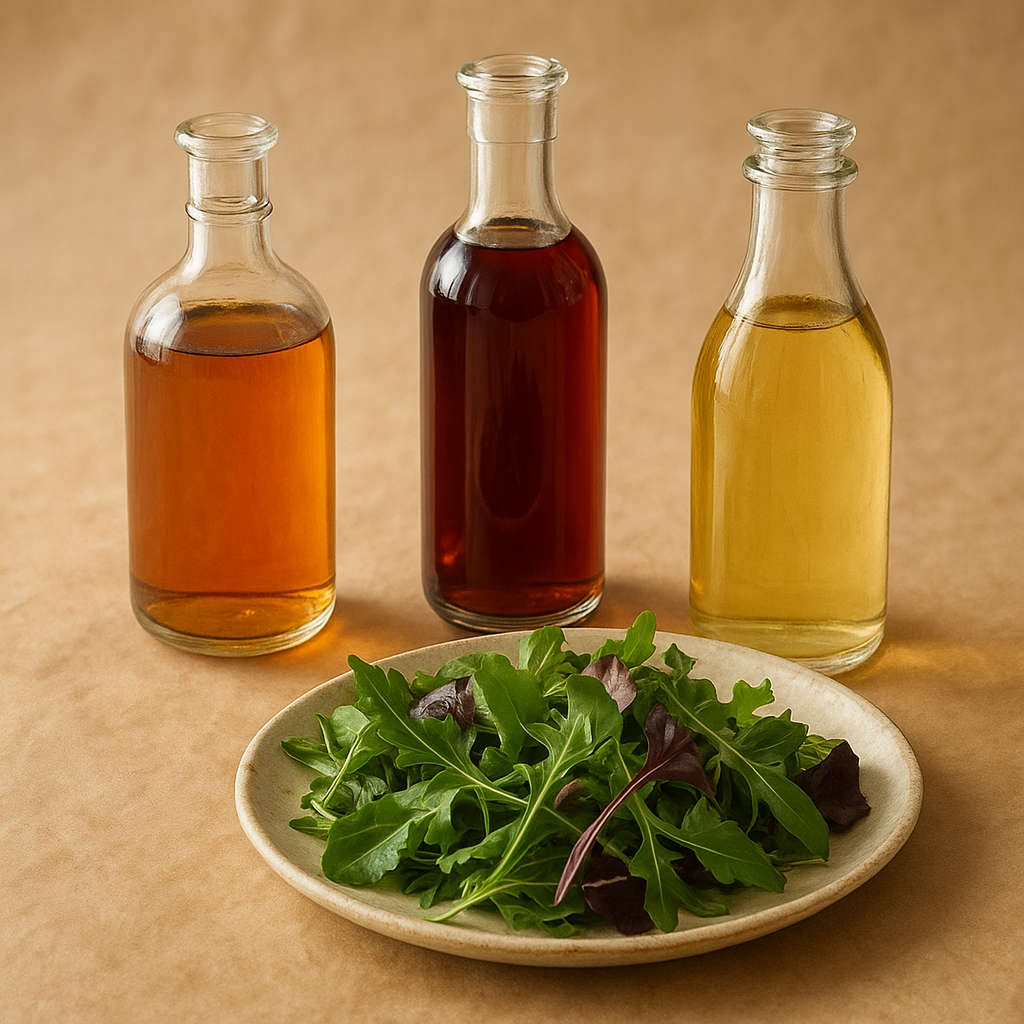
What it is
Balsamic vinegar is a dark, rich, and complex vinegar originating from the Modena region of Italy. It is made from concentrated grape must, which is then aged for an extended period in wooden barrels. This aging process develops its characteristic sweet and tangy flavor profile, along with its syrupy consistency. The longer it ages, the deeper and more nuanced its taste becomes.
How people cook with it
This versatile condiment adds depth and brightness to a wide range of dishes, both savory and sweet.
- Dressing for salads
- Marinade for meats
- Glaze for vegetables
- Drizzle over cheese
Balsamic vinegar can be used in many ways in the kitchen. It is a classic component of salad dressings, often combined with olive oil, salt, and pepper. It can also be reduced to a glaze by simmering it gently, creating a sweet and sticky topping for roasted meats, poultry, and vegetables. A small amount can be added to sauces or stews to enhance their flavor. It is also excellent drizzled over fresh fruits, ice cream, or aged cheeses like Parmesan.
How it differs from similar foods
Unlike standard white or red wine vinegars, balsamic vinegar has a distinct sweetness and a smoother, less acidic bite. Its complex flavor comes from the grape must base and the lengthy aging process, which gives it a richer color and a slightly thicker texture compared to most other vinegars.
Who it is for
Home cooks and chefs alike appreciate its ability to elevate everyday meals.
How to keep the rest
To preserve its quality, store balsamic vinegar in a cool, dark place, away from direct sunlight and heat. Ensure the bottle is tightly sealed after each use. It does not require refrigeration. Over time, it may thicken further, which is a natural characteristic.