
Grocery
Fig Pulp Vinegar
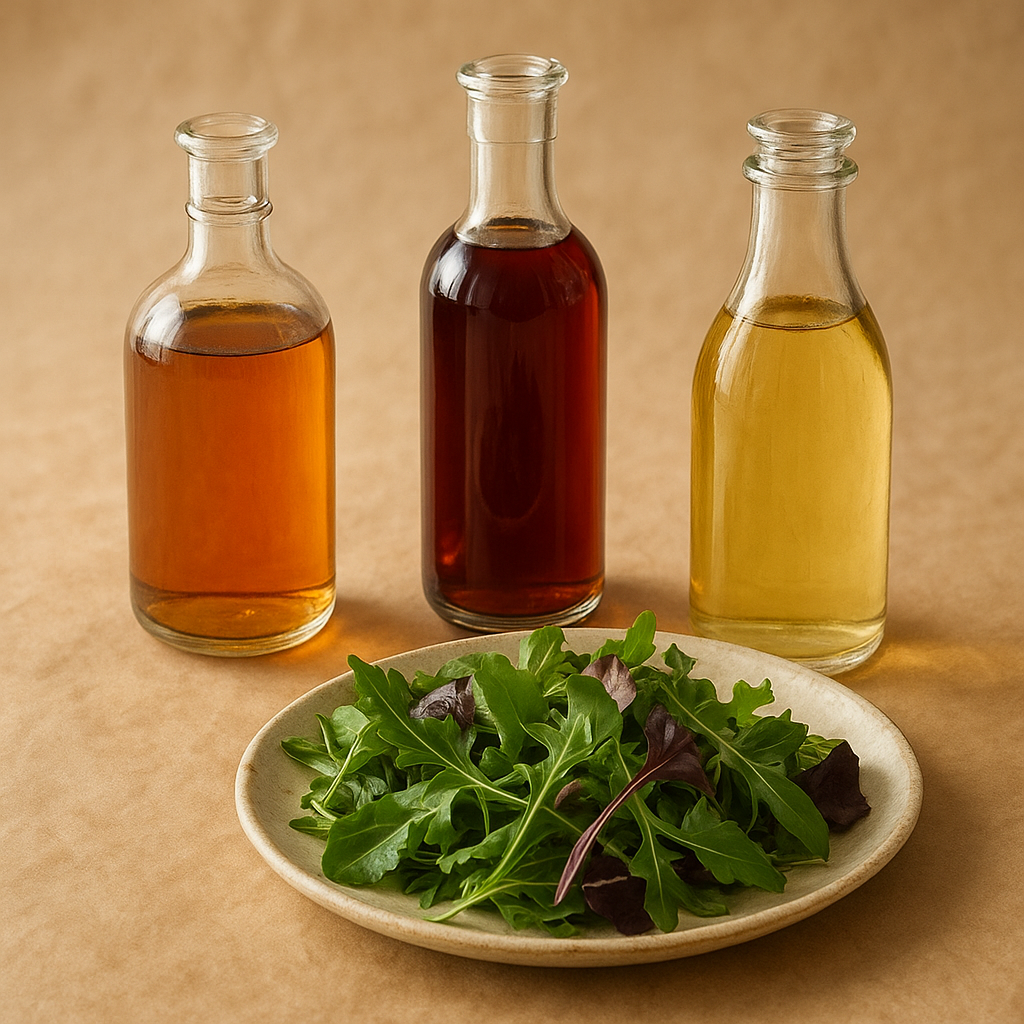
What it is
This is a specialty vinegar infused with the pulp of ripe figs. The process involves steeping fig pulp in vinegar, allowing the fruit's natural sweetness and subtle flavor to meld with the acidity. The result is a complex condiment that offers a fruity dimension without being overly sweet. It retains the characteristic tang of vinegar but is softened by the presence of the fig.
How people cook with it
This fig pulp vinegar can add a unique touch to both sweet and savory dishes.
- Dressing for salads
- Marinades for meats
- Glazes for roasted vegetables
- Finishing drizzle for cheese plates
When preparing a salad dressing, whisk this vinegar with olive oil and a touch of honey or maple syrup. For marinades, combine it with herbs, garlic, and a bit of oil before coating chicken, pork, or lamb. It works well as a glaze for roasted root vegetables like carrots or sweet potatoes, adding a hint of fruitiness. It can also be drizzled over a selection of cheeses, particularly goat cheese or brie, to complement their richness.
How it differs from similar foods
Unlike plain white or red wine vinegar, this fig pulp variety offers a distinct fruity undertone and a slightly thicker consistency due to the fruit pulp. It is less sharp than distilled white vinegar and provides a more nuanced flavor profile than balsamic vinegar, with a less intense sweetness.
Who it is for
Home cooks looking to elevate everyday meals with sophisticated flavors will appreciate this vinegar.
How to keep the rest
After opening, store the bottle in a cool, dark place, such as a pantry or cupboard. Ensure the cap is tightly sealed to preserve its flavor and aroma. It does not require refrigeration. Proper storage will maintain its quality for an extended period.