
Grocery
Vegetable Pasta
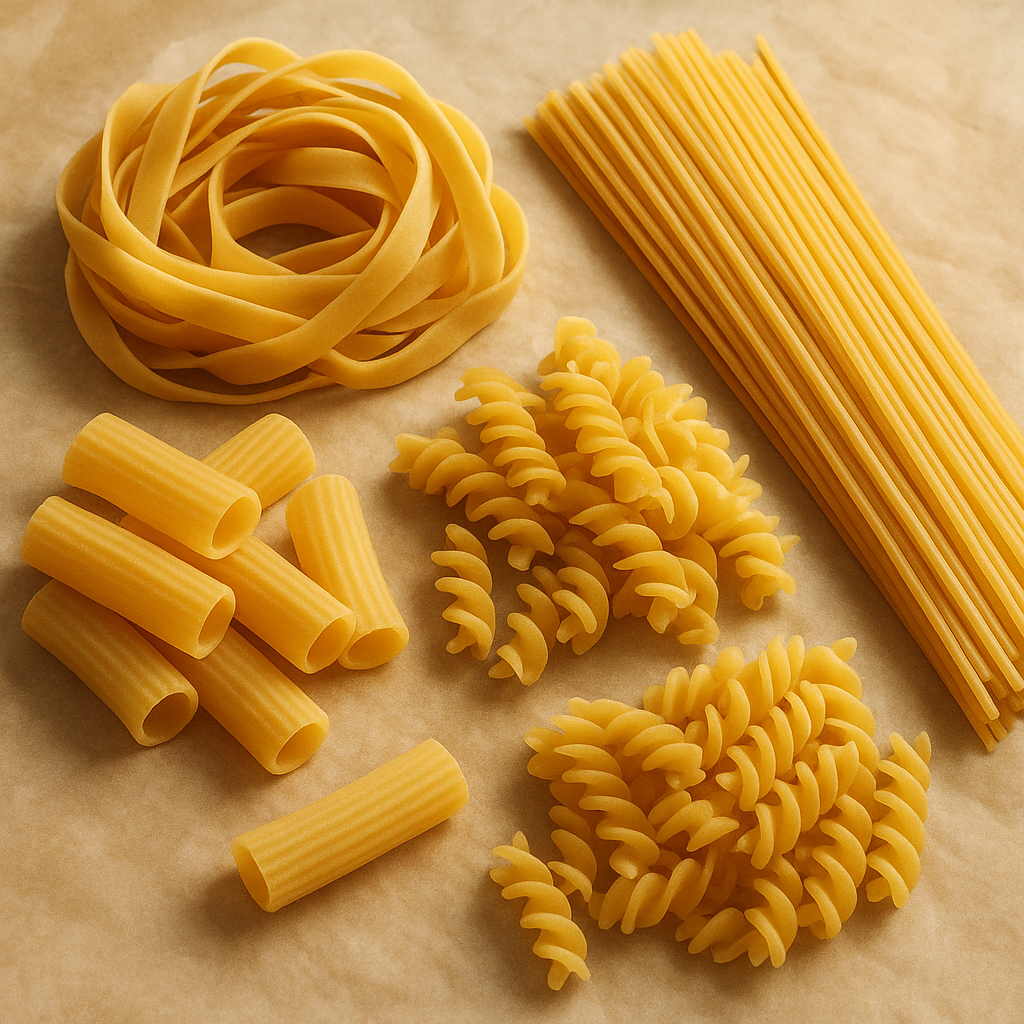
What it is
This is a type of pasta made with vegetables incorporated into the dough. It often includes ingredients like spinach, tomato, or beet puree, which give the pasta its color and a subtle vegetable flavor. The texture is similar to traditional pasta, but with added visual appeal and a hint of vegetable goodness. It is a convenient way to add more vegetables to meals.
How people cook with it
Vegetable pasta can be used in many of the same ways as regular pasta. It is versatile and pairs well with a variety of sauces and ingredients.
- With marinara sauce
- In pasta salads
- With pesto
- In baked dishes
To cook vegetable pasta, bring a large pot of salted water to a rolling boil. Add the pasta and stir occasionally to prevent sticking. Cook according to package directions until al dente, meaning it is tender but still has a slight bite. Drain the pasta well. It can then be tossed with your favorite sauce, added to soups, or used in cold pasta salads. Ensure it is cooked thoroughly before serving.
How it differs from similar foods
Vegetable pasta differs from traditional wheat pasta by the inclusion of vegetable purees in its composition. This gives it a distinct color and a mild, underlying vegetable taste. The texture is generally comparable, but the visual aspect is more vibrant due to the added vegetables.
Who it is for
Home cooks looking for visually interesting and subtly enhanced pasta options will enjoy this product.
How to keep the rest
Store uncooked vegetable pasta in a cool, dry place, such as a pantry, in its original packaging. Once cooked, store any leftovers in an airtight container in the refrigerator for up to 3-4 days. Reheat gently or use in cold dishes.