
Grocery
Vegetable Oil Margarine
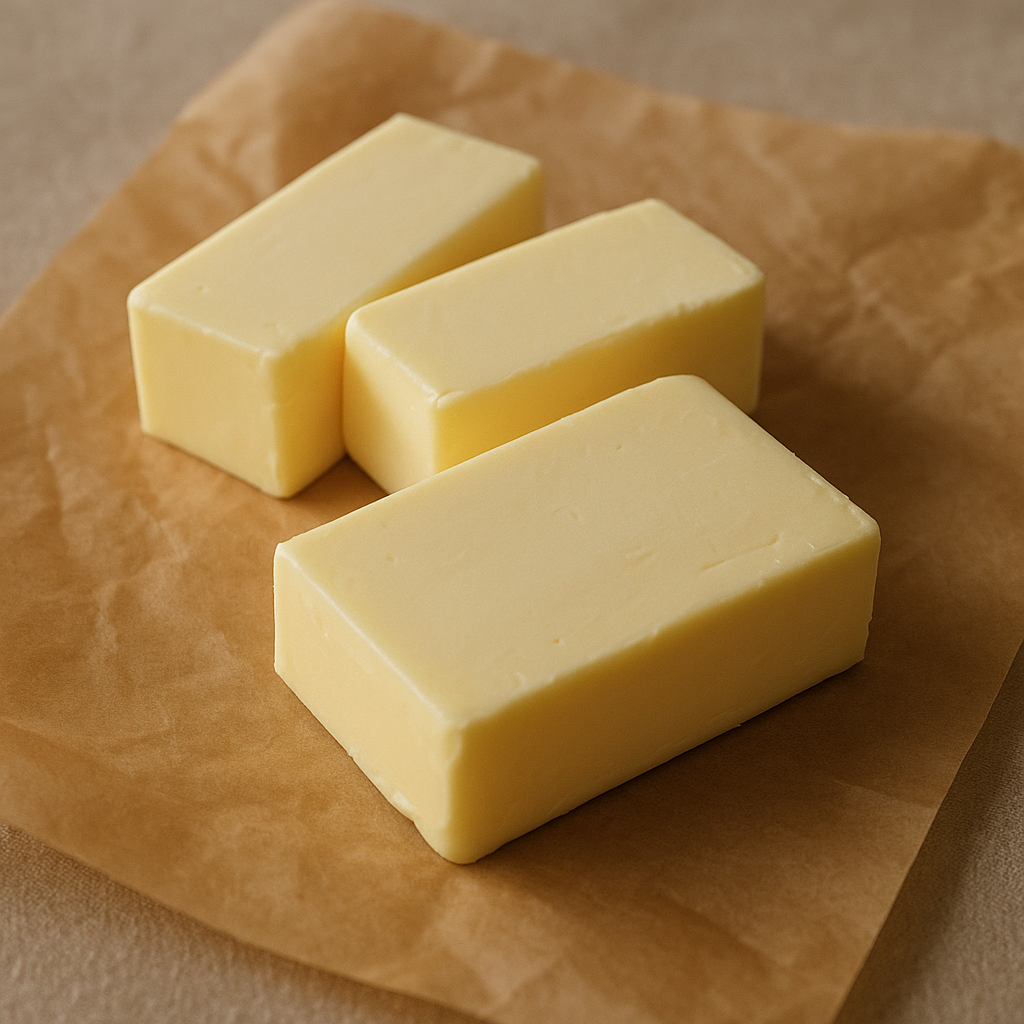
What it is
This is a spread made from vegetable oils. It is designed to mimic the taste and texture of butter. It is often used as a substitute for butter in cooking and baking. The oils used can vary, contributing to its flavor and performance in different applications. It is a common pantry staple for many households.
How people cook with it
People use this spread in many ways in the kitchen. It is versatile for both sweet and savory dishes.
- Spreading on toast
- Baking cakes
- Sautéing vegetables
- Making sauces
When baking, this spread can often be used in a one-to-one ratio with butter. Its lower water content compared to some other margarines can affect the texture of baked goods. For sautéing, it melts and browns similarly to butter, providing a good base for cooking. It can also be incorporated into frostings and icings, contributing to their smooth consistency. When used as a table spread, it offers a softer texture than some butters.
How it differs from similar foods
Unlike butter, which is made from dairy cream, this spread is derived from plant-based oils. This difference in origin impacts its flavor profile and how it behaves under heat. Some margarines may contain more water than butter, which can affect browning and crispness in baked items.
Who it is for
Home cooks and bakers often choose this spread for its accessibility and performance in various recipes.
How to keep the rest
After opening, store any remaining spread in its original container in the refrigerator. Keep it tightly covered to prevent it from absorbing odors from other foods. It should remain fresh for several weeks when stored properly.